

Wholesale Tamping Rammer Manufacturer: Your Guide to Quality Equipment
2026-06-24
Finding a reliable wholesale tamping rammer manufacturer is the first step to securing durable, high-performance compaction equipment for your projects. Whether you're managing a construction site or expanding your rental fleet, quality matters. At Dynamic, we've redefined what you should expect from a manufacturing partner—combining precision engineering with real-world durability. Read on to discover what separates exceptional rammers from the rest and how to make a choice that pays off long after the purchase.
Getting to Know Tamping Rammers and Their Real-World Use
Tamping rammers might seem like simple machines, but they pack a punch when it comes to compacting soil in tight spots. Imagine trying to level out a trench that's barely wider than your shoulders—you can't exactly drive a roller in there. That's where these jackhammer-like tools come in, using a jumping motion to squeeze air and water out of loose soil, making it dense and stable enough to support paving or foundations without future sinking.
In the real world, you'll spot them everywhere from road repair crews patching up asphalt to landscapers prepping a base for interlocking pavers. The operator just guides the machine along, letting the vibrating plate do the hard work beneath. It's not glamorous, but without it, sidewalks would crack and driveways would dip after the first good rain. The key is matching the right rammer to the job—heavier models for clay soils or deeper lifts, lighter ones for sand and gravel where you just need a quick pass.
One often-overlooked aspect is how much finesse goes into using a rammer effectively. It's not just about running it back and forth; you have to watch the moisture content of the fill, overlap each blow just right, and sometimes add thin layers at a time. Seasoned crews can tell by the sound when the soil has reached optimal compaction—a deafening ring means you're hitting rock, but a dull thud says you're still working. It's that hands-on intuition that turns a noisy tool into a reliable ally on any construction site.
What Distinguishes a Reliable Tamping Rammer from the Rest
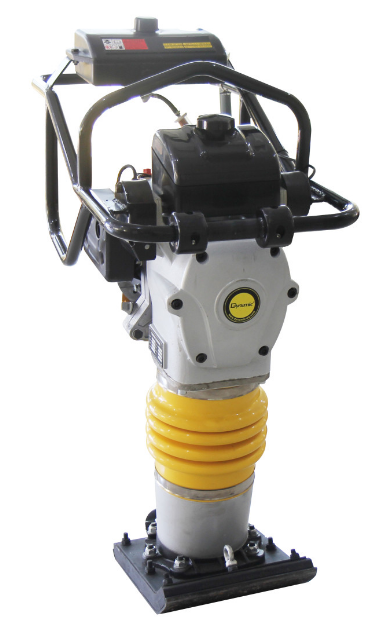
True reliability in a tamping rammer starts with the engine and its power delivery. Machines built around commercial-grade two-stroke or four-stroke engines, from manufacturers known for durability, tend to hold up on demanding job sites. It isn’t just peak horsepower that matters, but how the engine maintains torque under load and its cold-start behavior after sitting idle. A rammer that fires up on the second pull, even in chilly morning conditions, and keeps a steady rhythm without bogging down in damp, compactable soil gives you something intangible: confidence that the tool won’t be the bottleneck in your workflow.
Beyond the motor, the underfoot design separates forgettable rammers from those that actually earn their keep. A well-shaped shoe, often cast from ductile iron with a slim profile, lets the machine work close to walls and around obstructions without forcing you to switch to a hand tamper. The isolation system matters just as much—quality models use a robust spring and guide-cylinder setup that transfers more energy downward instead of channeling vibration back through the handle. That difference shows up in your arms at the end of a long day, and in how consistently the rammer compacts across a trench bottom. Over time, cheaper designs expose themselves through loosening fasteners, cracked elastic mounts, or erratic jumping.
Finally, look at the attention given to daily maintenance and long-term protection. A rammer with a cleverly routed air filter that avoids pulling in dust from the shoe’s impact zone, a fuel tank designed to prevent debris from entering the carburetor, and an easily accessible spark plug all hint that the maker thought beyond the spec sheet. Sealed, grease-packed components—instead of points that need constant attention—cut down on predictable failures. It’s these unglamorous touches that determine whether a rammer will still cruise through a full season’s compaction work without eating into your time with repairs or return trips to the rental desk.
Choosing a Manufacturer That Values Your Project Needs
The right manufacturing partner doesn’t just check boxes on a list of capabilities—they genuinely absorb the nuances of what you’re trying to build. It’s about more than tolerances and materials; it’s about understanding your timeline pressures, your quality expectations, and the little details that make your project unique. When a manufacturer takes the time to ask the right questions and adapt their processes around your goals, you feel it in the smoothness of production and the lack of last-minute surprises. That kind of alignment rarely happens by accident—it comes from a culture that genuinely cares about client outcomes.
Some manufacturers treat every project as just another order number, but the ones worth sticking with see your challenges as their own. They’re transparent about lead times, honest when a design tweak could save money, and flexible enough to handle revisions without grumbling. This isn’t about fancy promises—it’s about consistent behavior over time. You’ll notice it when they proactively flag a potential issue before it becomes a problem, or when they suggest a material alternative that still matches your vision but improves durability. These are signals that the manufacturer isn’t just selling a service; they’re actively protecting your project’s success.
Building a relationship with a manufacturer that understands your needs often starts with how they handle the first conversation. Do they listen more than they talk? Are they curious about the end user, the application, or the story behind the product? That initial exchange sets the tone. Over time, a manufacturer that values your project becomes an extension of your team, anticipating needs and adapting as your business evolves. It’s a partnership built on trust, not just transactions, and it makes all the difference when deadlines loom or specifications shift without warning.
The Practical Side of Bulk Equipment Purchases
When you're buying equipment in large quantities, the immediate focus tends to be on unit price, but the real practicality lies in logistics and storage. Arranging delivery for dozens of machines at once can strain your receiving capacity, and without adequate warehousing, you risk damage or obsolescence before deployment. It’s the sort of detail that gets overlooked until the trucks show up and there's nowhere to put everything.
Another practical consideration is maintenance scalability. Owning a fleet means standardized parts and training—which sounds efficient—but if you lack the in-house expertise or regional service coverage, downtime multiplies. A single broken unit is an inconvenience; ten broken units can halt operations entirely. Smart purchasing decisions weigh the availability of support just as heavily as the sticker price.
Finally, the financial reality goes beyond the purchase order. Bulk deals often tie up capital that could be used elsewhere, and the carrying costs—insurance, depreciation, potential obsolescence—add up quietly. Sometimes leasing or staggered procurement makes more operational sense, even if the per-unit cost is higher, because it keeps your cash flow flexible and your storage uncluttered.
Vetting a Supplier Beyond the Brochure
When you first connect with a supplier, everything seems polished. The brochures are crisp, the website looks professional, and the sales team is quick to respond. But the real test begins when you ask for details that aren't on the glossy pages. Request a live video tour of the production floor—not a pre-recorded one—and watch how they handle the unexpected. Do they hesitate, or do they walk you through the machinery with genuine familiarity? A supplier who can spontaneously explain their workflow and answer off-script questions is far more likely to deliver consistent quality than one who hides behind marketing materials.
Pay attention to the small signals that often go unnoticed. For instance, how do they package samples? Are they labeled clearly, with batch numbers and dates? Check if they ask thoughtful questions about your product requirements, or if they simply agree to everything without pushback. A supplier who challenges your assumptions or suggests a better approach based on their expertise is showing real partnership potential. Also, try to get a feel for their team’s stability—high turnover can be a silent killer of quality. A quick conversation with a long-time floor manager can reveal more than a hundred audit checklists.
Finally, step outside the formal vetting process entirely. Look for candid feedback from other buyers in your industry, perhaps through private forums or direct referrals. Sometimes, the most honest review comes from a competitor's offhand comment at a trade show. Observe how the supplier reacts when things go slightly wrong during the pre-production phase—say, a delayed material delivery. Do they communicate proactively, or do they go silent? True reliability shows up in the cracks, not in the shine. When you start to notice these unscripted moments, you're vetting beyond the brochure, and that’s where the real decisions are made.
Keeping Your Rammer Running Smoothly Year After Year
Think of your rammer as a work companion that thrives on tiny daily gestures. Before each start, take ten seconds to glance at the bellows for deep cuts or embedded debris — a piece of gravel wedged in the wrong spot today becomes a crack next month. Listen for that first thump; if it sounds hollow or irregular, shut down instead of powering through. Vibration loosens everything, so keep an Allen wrench handy to snug the foot plate bolts while the engine cools. It’s these unglamorous rituals, repeated without ceremony, that keep the machine feeling crisp season after season.
Fluids and filters demand more than calendar-based loyalty. The engine oil degrades faster in a rammer than in a lawn mower because it operates at steeper angles and constant jolts — switch to a high‑zinc, 10W‑30 mineral oil and change it every 30 hours of real trigger time, not just when the manual says so. The air filter element lives a hard life too; tap it out after every full day on dusty sites and hold it up to sunlight to check for pinholes. Fuel is often the secret saboteur. If your local pump pushes ethanol blends, add a stabilizer year‑round and run the carburetor dry before overnight pauses. This proactive rhythm eliminates the slow drifts that turn into roadside breakdowns.
When the job slows and the rammer sits idle, treat it to a hibernation strategy that goes beyond a tarp. Empty the fuel tank completely and fog the cylinder through the spark plug hole — a five‑second spray of storage oil will stop rust from creep‑starting during damp months. Store the unit vertically, never on its side, to prevent fuel seepage into the crankcase. Loosen the foot plate compression springs to relieve constant tension, and block the throttle wide open with a wedge of wood to let moisture breathe out. Come spring, you’ll have a machine that starts on the third pull, eager for another round of pounding, rather than a stubborn anchor requiring a shop visit before the first stake goes in.
FAQ
A tamping rammer is a compact, powerful machine designed for soil compaction in confined areas. You'll often see it on construction sites, trench backfilling, or preparing foundations. It uses a vertical jumping motion to force air out of the soil, creating a dense, stable base.
Specialist manufacturers pour their expertise into every machine. They understand the specific challenges of compaction, so you get better-built engines, more durable parts, and design tweaks that improve performance. Plus, they usually offer deeper technical support and easier access to genuine spare parts.
Buying wholesale cuts out extra markups, so the price per unit drops significantly. You also gain more consistency across your fleet, which simplifies maintenance and operator training. Often, manufacturers provide extended warranties or priority service for bulk orders, adding long-term value.
Look beyond the spec sheet. Examine the build: heavy-duty shock mounts, a responsive throttle, and a robust shoe with evenly welded joints. Quality machines usually have well-known engines (like Honda or Robin) and feel balanced when you lift the handle. Ask about the rammer's stroke and impact force—consistent numbers signal good engineering.
Regular cleaning is non-negotiable—dirt buildup causes overheating. Check the air filter, change the engine oil on schedule, and inspect the foot assembly for cracks or excessive wear. Many operators forget to lubricate the hammer mechanism and spring system; if you keep those greased, you prevent costly repairs down the line.
Absolutely. Standard rammers work well for cohesive soils like clay, while others are optimized for granular materials. The shoe size and shape matter too. For high-lift projects or watery trenches, look for models with extra power and sealing. Always match the machine to your dominant soil type—using the wrong one just slows you down and overworks the equipment.
Forcing it. Let the machine do its job at its natural rhythm. Pushing down or steering aggressively stresses the engine and messes with compaction quality. Another common error is skipping the initial inspection—running a rammer with a loose bolt or low oil can turn a small issue into a catastrophic failure.
Conclusion
Tamping rammers are a cornerstone of soil and asphalt compaction across countless job sites, from trench backfilling to pathway construction. They deliver the concentrated impact needed to eliminate air pockets and stabilize ground layers, but their effectiveness hinges entirely on build quality and thoughtful engineering. A rammer that stands out isn’t just about raw power; it’s the precision-balanced foot, a low-vibration handle that reduces operator fatigue, and a durable engine that starts consistently in dusty or muddy conditions. When you’re sourcing in bulk, these details multiply in importance—you’re not just buying a single machine, you’re securing reliability across an entire fleet. A manufacturer that listens to your project scope, asks the right questions about soil types and lift depths, and suggests appropriate shoe widths or engine options is already proving their worth before any money changes hands.
On the purchasing side, bulk orders open the door to customization and cost efficiencies, but they also demand a sharper eye for what’s behind the glossy catalog. Take time to dig into a supplier’s material sourcing, their quality control checkpoints, and the real-world longevity of components like pistons and springs. Request references from other contractors who’ve put the same models through paces similar to yours, and if possible, visit a factory or a nearby job site to see equipment in action. After the deal is sealed, the relationship shouldn’t end—ongoing support like readily available wear parts, straightforward maintenance guides, and responsive troubleshooting turn a good purchase into a long-term investment. Simple habits like daily air filter checks, proper fuel mixtures, and periodic bolt tightening will keep each rammer humming season after season, minimizing downtime and protecting your bottom line.
Contact Us
Contact Person: Annie
Email: [email protected]
Tel/WhatsApp: 8613391442963
Website: https://www.dynamic-eq.com