

Wholesale Laser Safety Screens: Essential Protection for Industrial Workspaces
2026-06-19
In today's high-powered industrial environments, laser safety is non-negotiable. Yet, many facilities overlook one critical element: reliable, wholesale-priced laser safety screens. As the demand for precise laser applications grows, so does the need for robust protection that doesn't break the budget. That's where LASERPAIR steps in, offering a range of essential laser safety screens designed to shield workspaces without compromising visibility or workflow. Whether you're outfitting a small lab or a large manufacturing floor, finding the right wholesale solution can mean the difference between a secure operation and a costly liability. Let's explore why laser safety screens are the backbone of industrial laser protection and how LASERPAIR delivers quality you can trust.
Unseen Threats: The Everyday Risks of Laser Machinery
Laser cutters and engravers hum quietly in workshops, their beams slicing through materials with precision. Yet behind the smooth operation, invisible hazards gather. The intense light can reflect off a stray metal surface and burn skin or eyes in a split second, even when operators aren’t staring directly at the source. Scattered radiation, fumes from vaporized plastics, and the silent climb of heat — these aren’t dramatic malfunctions, just everyday physics finding a weak spot.
Most people fixate on the beam itself, but the real danger often rides in the air. Cutting acrylic or plywood releases a cocktail of fine dust and chemical vapors that standard ventilation may not fully capture. Without proper filtration, laser operators breathe in nanoparticles and carcinogens day after day, mistaking a lack of visible smoke for safety. A cough that won’t leave or a lingering headache after a long shift isn’t always fatigue — sometimes it’s the machine whispering a warning.
Then there’s the quiet threat of fire. A slight miscalibration can turn a project into kindling, the flame feeding on material scraps inside the enclosure before anyone notices. Even routine maintenance hides risk: a mirror that’s just a little out of alignment can redirect the beam through an unshielded gap. These aren’t signs of faulty equipment; they’re the nature of working with concentrated energy in a space never truly tame.
More Than a Shield: What Sets Quality Safety Screens Apart
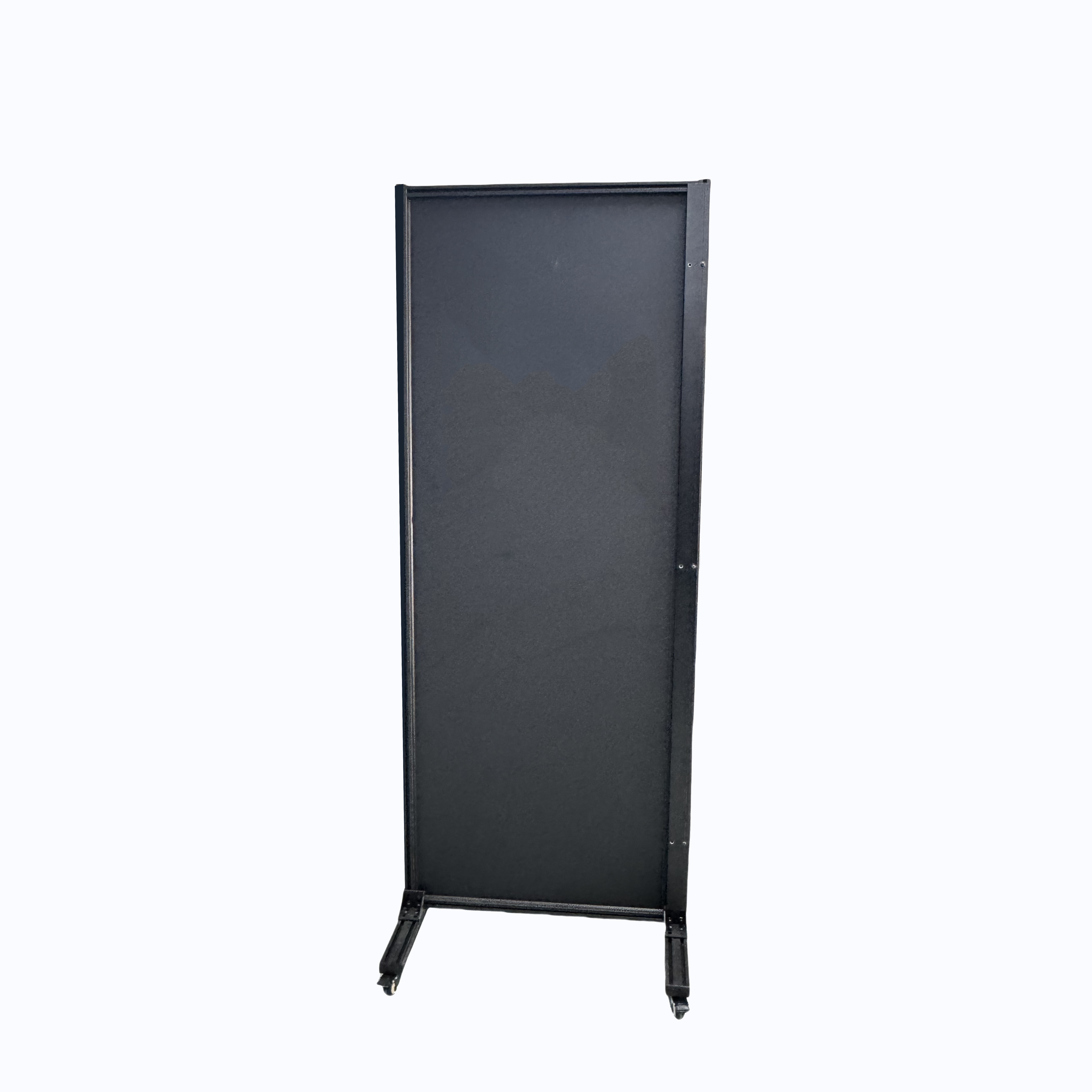
A sturdy barrier is just the starting point—truly exceptional safety screens blend robust protection with thoughtful design. They’re fabricated from high-tensile stainless steel mesh that resists cutting and impact, yet the weave remains fine enough to keep insects out and preserve clear outward views. Instead of feeling confined, you enjoy an open, airy environment that doesn’t compromise on security.
Top-tier screens distinguish themselves through precision engineering and premium materials. Marine-grade stainless steel, for instance, withstands corrosion far better than ordinary metals—even in coastal climates. The mesh is attached to a reinforced frame using tamper-proof fasteners, eliminating weak points. These screens also resist fading and warping, maintaining their appearance year after year without constant upkeep.
Beyond the product itself, quality is evident in custom fitting and expert installation. Pre-assembled, made-to-measure screens integrate seamlessly with your home’s architecture, leaving no gaps for intruders. The result is a solution that feels like an original part of the building rather than an afterthought, delivering peace of mind that goes well beyond a simple shield.
Matching Your Machine: A Quick Look at Laser Types and Screen Compatibility
When you’re setting up a laser system, the first thing to realize is that not every laser fits every job. The laser world splits broadly into CO2, diode, and fiber types, each using a different wavelength and power band. CO2 lasers excel with organic materials like wood, acrylic, and fabric. Diode setups are more compact and often cheaper, but they’re best for lighter engraving on soft materials. Fiber lasers pack a punch for metals and some plastics. Knowing these basics helps you avoid disappointing results before you even start.
Now, when it comes to screens—whether that means fine mesh for screen printing or protective barriers—compatibility hinges on how the laser’s energy interacts with the screen’s makeup. A diode laser might bounce off a metal mesh or barely mark it, while a fiber laser could slice through. CO2 lasers can easily burn through organically coated screens but might reflect off bare metal. If your work involves coating screens with emulsion, you’ll want a laser that selectively removes the coating without damaging the mesh. Always test on a scrap piece first to see how your machine and screen get along.
Wholesale Logic: Protecting Your Workspace Without Breaking the Bank
Securing your workspace doesn't mean you have to drain your savings on overpriced supplies and gear. A lot of us get caught up thinking that premium protection means premium prices, but that's rarely the case when you tap into wholesale channels. From sturdy desk organizers that keep your cables safe to bulk-purchased surge protectors, buying in larger quantities directly from distributors can slash your per-unit cost by miles. It’s the same logic stores use to stock their shelves—you’re just applying it to your own office setup.
Think about the everyday items that actually shield your work environment: anti-fatigue mats, monitor arms that prevent neck strain, or even a good chair mat to protect your floor. When you buy these from retail outlets, you’re paying for fancy packaging and shelf space. Go wholesale, and suddenly you’re getting the same industrial-quality stuff without the markup. Swap tales with other small business owners; you'll often find they’ve been sourcing from warehouse clubs or online wholesale markets for years. It’s not about cutting corners—it’s about being smart with where your money goes.
Simple Installs, Serious Protection: Integrating Screens Seamlessly
Getting a robust security screen up and running shouldn't feel like a weekend project. That's why our design philosophy strips away complexity—no drilling into delicate window frames, no puzzling over mismatched brackets. The system clicks into place with a tool-free, tension-rod mechanism that adapts to slight irregularities in your opening, meaning a flawless fit in minutes, not hours. You'll appreciate the immediate transformation from vulnerable glass to a fortified barrier, all while keeping the original aesthetic of your home intact.
Beneath the straightforward setup lies a level of protection that's anything but basic. The stainless steel mesh isn't just strong; it's woven with a tightness that resists cutting and prying, yet remains see-through enough to preserve your view. We've tested it against everything from opportunistic break-ins to severe weather impacts, and the reinforced frame absorbs force without buckling. There's a quiet confidence in knowing that your family stays safe without the fortress-like look—just a clean, barely-there shield that does its job silently.
What truly sets this apart is how it becomes part of your living space, not an add-on. The screen integrates so seamlessly that you might forget it's there until you need it. It slides, swings, or stays fixed depending on your preference, and the edge-to-edge design eliminates bulky hardware. From heritage homes to modern builds, the low-profile installation complements your architecture without shouting for attention. It's the kind of solution that works in the background, letting you enjoy fresh air and daylight while the serious stuff happens out of sight.
Worker Confidence and Compliance: The Human Side of Laser Safety
Trust in safety measures doesn’t come from a manual. When operators truly believe the protective systems are reliable and respect their daily workflow, compliance becomes second nature. A culture that listens to floor-level feedback on laser enclosures or interlock usability sees fewer shortcuts and more consistent eye-protection habits.
Stress, fatigue, and production pressure often erode the best safety protocols. The human side means recognizing that a worker rushing to meet a deadline might bypass a guard if it feels like an obstacle rather than a shield. Designing laser workstations that accommodate natural movement patterns—without sacrificing protection—helps keep both speed and safety in the same lane.
Hands-on involvement is the missing link. When staff participate in routine checks or have a clear channel to report near-misses without blame, confidence in the whole system grows. It shifts laser safety from a set of imposed rules to a shared responsibility, where each person owns a piece of the solution.
FAQ
They block harmful laser radiation while maintaining visibility, preventing eye injuries and skin burns during cutting, welding, or engraving tasks without disrupting workflow.
Bulk orders lower per-unit costs significantly, allowing facilities to equip multiple workstations affordably while ensuring consistent safety standards across all operations.
Polycarbonate and acrylic composites with specialized optical density coatings are typical—they withstand impact, resist yellowing, and maintain filtering effectiveness over years of use.
Yes, suppliers often offer modular panels and adjustable frames that adapt to unique equipment footprints, including curved configurations for robotic cells or compact production lines.
They need to meet ANSI Z136 or EN 60825 guidelines, specifying optical density at specific wavelengths, and should include labeling that indicates protection levels for operators' quick reference.
Properly positioned screens actually speed up processes by eliminating the need for operators to don personal protective gear repeatedly, also reducing downtime from accidental laser stoppages.
For contract manufacturing facilities with reconfigurable production floors, rolling screens provide instant hazard zoning for temporary laser operations without permanent structural changes.
Conclusion
In busy industrial settings, laser machinery operates with a silent, often underestimated danger. Without proper guarding, scattered or reflected beams can cause irreversible eye damage or skin burns in a fraction of a second. It’s not just about complying with regulations—it’s about real people who deserve to go home unharmed. Quality laser safety screens do more than block light; they absorb specific wavelengths, resist warping, and maintain clarity over time. Unlike generic barriers, purpose-built screens stay effective even under prolonged exposure, ensuring that the workspace remains a zone of trust rather than a hidden hazard.
Choosing the right screen means matching it to the laser type—CO2, fiber, or diode—each demanding different optical density and durability profiles. A well-informed purchase doesn’t have to drain budgets; wholesale options let you outfit entire floors with certified protection at a fraction of per-unit cost. The best solutions also prioritize easy installation, sliding seamlessly into existing layouts without disrupting workflow. When workers see that their safety isn’t an afterthought, confidence rises. They operate machines with less hesitation, knowing that the barriers between them and the beam are designed to perform—not just to tick a box. In the end, investing in the right wholesale laser screens is a quiet but powerful statement: we value people as much as productivity.
Contact Us
Contact Person: Jenny
Email: [email protected]
Tel/WhatsApp: +86 13537713281
Website: https://www.laserpair-safety.com/