

Top Waterproof Connectors for Durable Outdoor and Marine Electrical Projects
2026-11-19
A solid electrical connection is only as good as its protection against water, salt, and constant vibration. For anyone building or maintaining outdoor and marine systems, choosing the right waterproof connector often makes the difference between a dependable setup and a frustrating failure. That is why we have put together this guide to the most durable options on the market, with a special focus on solutions from REUNION, a brand known for tackling harsh environments head-on. Whether you are wiring a dock, upgrading an off-grid solar array, or sealing connections on a boat, the choices below will help you keep power flowing exactly where it belongs.
Where Waterproof Connectors Actually Fail on a Boat
Most people blame the connector body when a circuit drops out, but on a boat the real trouble usually starts where the cable enters the housing. The seal there depends on a compression gland staying tight against the jacket, and after a season of engine vibration and temperature swings that grip relaxes just enough to let salt air work its way in. Once moisture reaches the back of the pins, it travels along the copper strands through capillary action and corrodes the wire well beyond the connector itself, so by the time you see the green powder the damage is already hidden inside the loom.
Another common failure point is the mating face when connectors are opened for service. The O-ring gets wiped clean, then reassembled dry or with whatever grease is nearby, and that small change is enough to break the watertight barrier. Deck connectors also suffer from long UV exposure, which hardens the outer boot and creates hairline cracks that are invisible until a heavy washdown or a following sea forces water under pressure into the shell. The leak rarely looks dramatic at first; it shows up as intermittent gauge readings or a windlass that decides to work only when the boat is dry.
How Marine-Grade Labels Hide What Actually Keeps Water Out
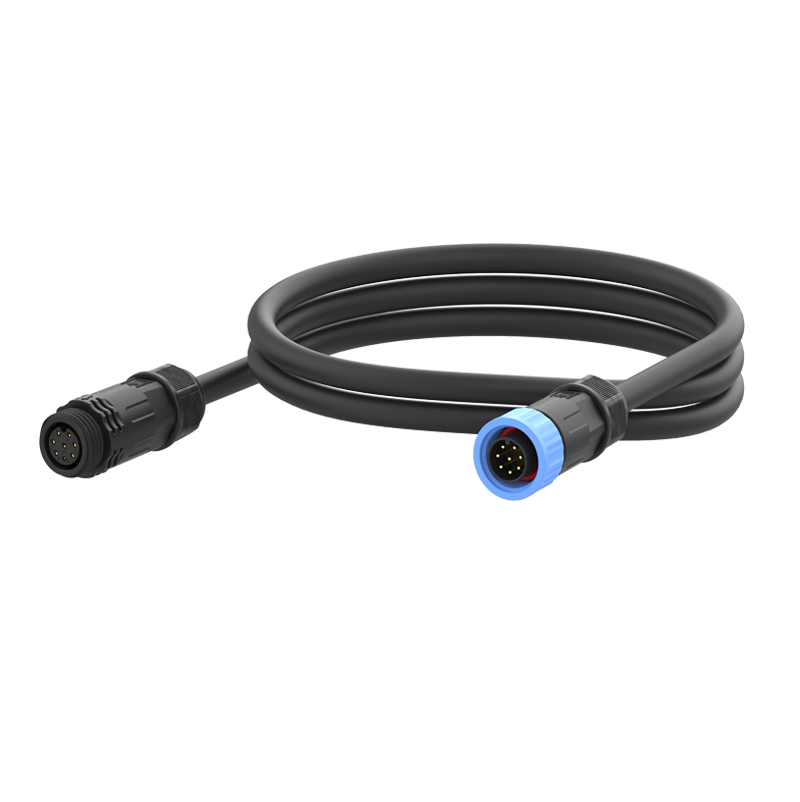
Walk into any marine supply shop and the word “marine-grade” seems glued to every label, implying a single, waterproof standard. The reality is less romantic. The label tells you the product survived a lab test or a marketing meeting, but it rarely explains which specific seal, adhesive, or surface prep actually stopped the moisture. A “marine-grade” switch might fail in six months while a plain industrial one lasts a decade, simply because one used a closed-cell gasket and the other relied on a thin silicone bead that looked identical on the package.
Most of the genuine water protection comes down to unglamorous choices: a lip that directs runoff away from the seam, an O-ring compressed to a precise percentage, or a connector filled with dielectric grease before it ever sees salt spray. These details are invisible on the shelf, buried under a waterproof-sounding adjective. The label hides the fact that no coating can save a poor mechanical fit, and no potting compound compensates for a housing that flexes under heat. So the next time you see “marine-grade,” ignore the promise and look for the drain path, the gasket material, and the torque spec — those are the things actually keeping the water out.
Seals, Contacts, and Strain Relief That Survive Salt and Constant UV
Salt spray and relentless sunlight chew through ordinary connector hardware in weeks. Here, the seals sit in a double-lipped groove that flexes with temperature swings instead of cracking, while the contact surfaces get a nickel-under-gold plating thick enough to shrug off pitting. The strain relief isn't a simple rubber boot either—it's a tapered, glass-filled nylon collar that locks the cable bend radius away from the solder joints, so vibration and thermal cycling don't work the conductors loose over time.
What makes the difference is how these three elements work together rather than as isolated fixes. The UV-stabilized seal material keeps its compression set low even after months of direct exposure, which means the contacts stay sealed instead of slowly opening a path for moisture. Meanwhile, the contact spring geometry uses a split-tine design that maintains normal force even as the housing expands and contracts. That slight movement—often ignored in cheaper designs—is exactly what the strain relief absorbs, preventing the wire terminations from becoming the weak point.
Field teardowns after a full season on coastal equipment show the practical result: no green corrosion creeping up the conductors, no embrittled insulation at the cable exit, and no loss of contact resistance across mated pairs. The strain relief collar still rotates with hand pressure but holds its grip, and the seal surfaces remain tacky enough to reform around minor scratches. That combination of material choices and load distribution is what lets the assembly keep working when the housing shows its own battle scars from salt and sun.
Installation Habits That Let Water In Before the First Storm
Most roof leaks that show up during the first heavy rain can be traced back to the day the shingles went on. Underlayment gets lapped the wrong direction, a nail gets driven through flashing without a second thought, and valley metal gets trimmed too short because it’s faster. None of it looks serious when the sun is out. The moment water starts moving sideways across the roof surface, those small shortcuts turn into channels that feed straight into the decking.
Window and door rough openings create the same problem at ground level. A sill pan that gets skipped or a piece of housewrap tucked behind the flange instead of over it might not matter on a dry afternoon. But wind-driven rain will find that seam, pool against the framing, and follow the path of least resistance into the wall cavity. Sealant alone won’t fix it because it gets treated as the first line of defense when it should be the backup.
What makes this worse is that most of these habits aren’t about missing materials. They’re about sequencing and the pressure to close up the building. Flashing goes on after the siding is already in place, counterflashing gets pressed flat instead of overlapping properly, or a gutter apron is never slipped under the drip edge. Each choice saves a few minutes and quietly guarantees a callback after the first real storm.
Choosing Connectors for Tight Bilge Spaces and Exposed Decks
Tight bilge spaces punish connectors that look fine on a bench. A straight connector with a long backshell can force an awkward bend into the wire, eventually opening a path for moisture. Look for compact bodies, right-angle or low-profile exits, and field-installable kits that let the cable leave in the direction that actually fits. Clearance matters more than amperage here; a connector rated for 20 amps is useless if it cannot be mated without removing a pump or strainer.
Exposed decks bring a different set of problems: salt spray, direct sun, washdowns, and people stepping on cables. Housings should have UV-stable materials and metal or plated parts that resist crevice corrosion. Pay attention to the sealing method at the wire entry, not just the mating face; a molded shroud or compression gland often survives longer than adhesive-lined heat shrink alone. Drain holes can help on vertical runs, but only if they do not create a direct path into the contacts.
When the same harness passes from a dry locker into a wet bilge or across a deck, choose connectors with consistent contact plating and a common sealing standard, so spares and field repairs stay simple. Mark the deck-side pair with a durable tag because color bands fade. A small amount of dielectric grease on seals can ease mating, but avoid filling the socket; the excess just traps grit and makes latches harder to close.
Practical Ways to Test Waterproof Claims Without a Lab
Turn the garment inside out and pay attention to the seams before you trust the fabric. Hold a dry paper towel along the inside of the shoulder and side seams, then run a showerhead over the outside for five minutes. Waterproof failures usually appear at stitching lines, not across a panel, so this shows you the weak points that a quick splash test misses.
For bags and dry sacks, fill them with white paper towels, close them normally, and flex the material while spraying with a garden hose. The flexing is the part people skip, but it matters because coatings crack along creases. If the towels stay completely dry after ten minutes, the claim holds; if one corner near a zipper is damp, that is where the next trip will go wrong.
Try the pooled-water check on a jacket or shell. Lay it over a bucket or a chair, pour about a liter of water into the seat or back panel, and leave it for fifteen minutes. Then lift the fabric and look for dark spots or cool patches underneath. Standing water presses on the membrane in a way that light rain does not, so it gives you a realistic sense of how the garment will behave in a downpour.
FAQ
Tinned copper or nickel-plated contacts tend to outlast bare brass. The housing should be UV-stable nylon or polyamide, and the seals are better when they are silicone or EPDM rather than plain rubber. An IP68 rating matters, but the plating and seal material make the biggest difference once salt spray gets involved.
Not automatically. IP68 only tells you that the manufacturer has rated it for a specific depth and duration. You still need to check the stated pressure range, temperature limits, and whether the connector body can handle bilge chemicals, oil, and fuel exposure.
Relying on standard butt connectors and electrical tape. Water works its way under the insulation and green corrosion starts inside the joint, which leads to flickering or dead trailer lights. Sealed adhesive-lined heat-shrink crimps plus a weatherproof junction box prevent most of those failures.
A thin film on the seal face and contact area is usually helpful. Packing the cavity full can trap grit, prevent the latch from engaging fully, and make the connector harder to seat. Use it as a light coating, not as a filler.
Molded circular connectors with a positive latch, such as Deutsch-style sealed connectors, tend to hold up well. The latch keeps the seal faces pressed together, while the molded strain relief reduces cable flexing right at the pin entry.
If moisture ever works past the seal, bare copper strands turn black and start acting like a resistor. Tinned strands resist that corrosion and stay easier to rework later. Since no seal is perfect forever, the wire itself becomes a second line of defense.
For permanently wet or buried locations, a sealed screw-terminal enclosure is easier to open and service later. Heat-shrink crimp connectors are better for compact splices inside fixtures, conduit, or spots where you do not plan to disconnect the wiring again.
Conclusion
Water intrusion on a boat rarely starts at the connector body itself. It begins where the cable enters, where a flattened grommet no longer matches the jacket, or where constant vibration has worked a compression nut loose. The marine-grade label often points to an IP rating earned in a clean lab, not to how the seal behaves after months of salt spray and deck traffic. What actually keeps water out is less glamorous: a seal that compresses around the real cable diameter, contacts that do not corrode after a single nearshore run, and strain relief that stops the wires from pulling back when someone steps on the harness. Installation has to be just as deliberate. A downward drip loop, a properly tightened dome nut, and a smear of dielectric grease on the sealing surfaces do more than any marketing badge.
In tight bilge spaces, a bulky connector with a stiff boot becomes a future failure because it gets kicked, pinched, or forced into a hard bend. Look for low-profile housings and boots that actually fit the cable OD without tape. On exposed decks, UV stability matters as much as the seal; nylon that chalks and cracks after one season will open a path for water no gasket can fix. You can test waterproof claims without lab equipment by submerging a mated pair in warm saltwater, flexing the cable at the entry while it is underwater, and checking for bubbles or later condensation. A few thermal cycles with a heat gun and freezer also expose weak sealing. In the end, the best connector is not the one with the highest IP number printed on the bag, but the one whose seals, contact material, and strain relief still hold after real handling, salt, and sun.
Contact Us
Contact Person: Hayley Liang
Email: [email protected]
Tel/WhatsApp: +86 13480625451
Website: https://www.reunion-china.com/
