

Top Spout Pouch Innovations Transforming Flexible Packaging
2026-05-22
Picture the last time you squeezed out the last drop of ketchup or poured a smoothie straight into your mouth—chances are, a spout pouch made that moment effortless. But today’s spout pouches are doing far more than just convenience. From self-cooling mechanisms to smart QR codes that tell a product’s entire journey, the flexible packaging world is bursting with breakthroughs. At the heart of this shift, Kody is redefining what a simple pouch can achieve—merging sustainability with bold design in ways that feel almost futuristic. Ready to see which innovations are flipping the script on how we store, use, and even reconnect with everyday products? Let’s dive into the top spout pouch trends that are making rigid containers look seriously outdated.
The Rise of Bio-Based Barriers in Spout Pouch Design
Spout pouches have long been a favorite for packaging everything from baby food to energy gels, but their reliance on conventional plastic barriers has become a sticking point. A quiet revolution is underway as brands shift toward bio-based barriers derived from sources like sugarcane, corn starch, or even algae. These next-generation films still shield products from moisture and oxygen just as effectively, yet they break the link with fossil fuels, offering a tangible way to shrink a package’s carbon footprint without sacrificing shelf life or taste protection.
The success of these materials hinges on more than just raw green credentials. Early attempts often fell short on flexibility or heat resistance, causing headaches during filling or transport. Now, chemists have refined the molecular architecture of bio-polyethylene and similar resins, making them a drop-in replacement that works on existing pouch-making lines. For brand owners, this means no costly equipment overhauls, and for consumers, the pouch still feels, sounds, and performs exactly as it always did—quietly shifting expectations without a learning curve.
What’s truly driving uptake isn’t simply regulation or PR—it’s the subtle storytelling these pouches enable. A bio-based barrier lets a brand embed a narrative of renewal right into the package, turning a mundane squeeze pouch into a statement of intent. As supply chains mature and costs level out, we’re likely to see these designs move from niche premium lines into mainstream pantry staples, redefining what flexible packaging can mean long after the last drop is squeezed out.
How Mono-Material Spouts Are Simplifying Recycling
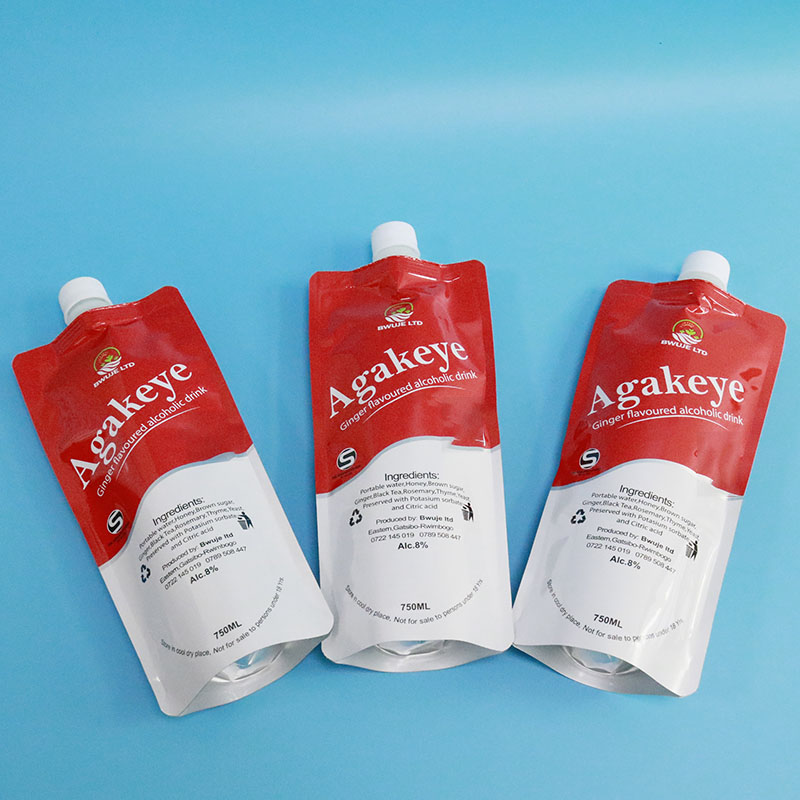
The shift to mono-material spouts is cutting through one of recycling’s persistent headaches: mixed materials that are tough to separate. Traditional spouts often fuse different types of plastics or include metal layers, which means they contaminate the recycling stream unless meticulously disassembled. With a single polymer like polyethylene throughout, these new spouts integrate seamlessly into existing bottle recycling loops—no peeling, no sorting gymnastics required.
This simplicity isn’t just technical. It’s changing how facilities handle flexible packaging. Because the entire pouch—body, cap, and spout—can be ground up together, the process becomes a straightforward one-material input. That reduces the labor and specialized equipment once needed to strip away incompatible components, making the whole operation faster and more cost-effective. Recycled material also emerges cleaner, with fewer impurities that would otherwise downgrade its quality.
For brands and consumers, the impact is tangible. Mono-material spouts erase the guesswork from disposal; people don’t need to check a label to know if a cap stays on or comes off. Everything goes in the same bin and actually gets recycled into new products instead of being incinerated or landfilled. It’s a quiet design tweak that’s turning the tide on flexible packaging waste, proving that the smartest solutions are often the most minimal.
Spouts That Never Drip: A Pouring Revolution
For anyone who’s ever poured a perfect cup of coffee only to be betrayed by a final, messy drip down the carafe, the promise of a no-drip spout feels almost too good to be true. Yet, recent design innovations are turning that dream into a daily reality, rethinking the physics of liquid flow and surface tension to create pouring spouts that cut off cleanly every time. It’s not just about convenience; it’s about preserving the aesthetics of your tablecloth and the ritual of your morning pour.
The secret often lies in a meticulously engineered lip or groove at the tip of the spout that redirects the last clinging droplets back into the vessel. This simple but clever geometry eliminates the need for absorbent coasters or awkward wiping gestures. From laboratory-inspired glassware to elegantly crafted tea kettles, manufacturers are embracing this anti-drip technology, elevating both function and form. The result is a smoother pour, a cleaner counter, and a small but satisfying victory over gravity.
Beyond the kitchen, these precision spouts are finding their way into everything from oil dispensers to watering cans, proving that small design tweaks can have massive impact. It’s a quiet revolution—quiet, because the only sound now is the satisfying glug of liquid flowing, not the soft plop of an unwanted drop. In a world where details matter, the no-drip spout is finally getting the attention it deserves, turning the act of pouring into an art form.
Connected Pouches: When Packages Track Themselves
Gone are the days of staring at vague delivery windows or refreshing tracking pages. Imagine a pouch that knows exactly where it is and can share that info without you lifting a finger. These smart pouches embed tiny sensors and low-power transmitters right into the packaging, making the box itself an active participant in its own journey. Instead of relying on external scans, the pouch pings location data at key moments—when it leaves the warehouse, as it passes a checkpoint, or right before it reaches your doorstep. You get updates that feel almost intuitive, as if the parcel is sending you a text.
What makes this so effective is the shift from passive tracking to self-reporting. Traditional logistics depend on handlers scanning barcodes, which leaves gaps. Connected pouches close those gaps by broadcasting their status on narrowband networks that sip power. They can even detect rough handling or temperature swings, giving you a story of the trip, not just a dot on a map. For businesses, this means fewer lost shipments and more trust. For you, it’s the quiet confidence that your order is looking after itself, no extra apps required.
The real magic happens when these pouches start talking to each other and to smart home hubs. Picture a pouch that pings your car’s nav system with a real-time ETA, or one that lets your fridge schedule a delivery window based on its own contents. By giving inanimate packages a voice, we turn a once-fragmented supply chain into a seamless conversation. It’s not just tracking—it’s anticipation, baked into every shipment.
Making Spout Pouches Lighter Without Compromising Durability
Shaving off grams from spout pouch packaging often starts with film structure. Instead of simply downgauging, which risks punctures and seal failures, converters are turning to advanced polyethylene grades with higher melt strength and dart impact resistance. These resins allow for thinner laminates while maintaining the toughness needed for drop tests and product protection.
Another avenue is rethinking the spout and closure system. Traditional rigid spouts add weight and can become a failure point if not perfectly bonded. Lightweight alternatives made from polypropylene blends or incorporating recycled content trim grams without sacrificing grip strength or leak resistance. Subtle design tweaks, like ribbed necks that use less material yet hold firm, keep the pouch performing reliably even as material use drops.
From Plant to Pouch: The Compostable Spout Journey
It starts in the soil, where renewable crops like corn or sugarcane are grown to supply the raw materials for our compostable spouts. These plants capture carbon as they grow, and once harvested, their starches are transformed into biopolymers—a far cry from the fossil fuels that feed traditional plastic production. The result is a material that carries the same resilience and flexibility needed for a functional spout, yet is designed with an entirely different end-of-life in mind.
The manufacturing process shapes these biopolymers into precision spouts using techniques that prioritize efficiency without compromising the compostable nature of the final product. Unlike conventional spouts, every stage—from pellet to finished component—is calibrated to avoid additives that would hinder biodegradation. The spouts emerge ready to seal onto pouches, offering the same convenient pour and reseal experience, but embedded with a quiet promise: they’ll break down into organic matter once their useful life is over.
When the pouch is empty, the spout’s journey continues in a composting environment, where microbial activity gradually returns it to the earth. There’s no persistent waste, no lingering microplastics—just nutrient-rich soil that can support new plant growth, completing a cycle that feels less like disposal and more like renewal. This closed-loop thinking turns a simple packaging component into a meaningful step away from our throwaway culture.
FAQ
Spouted pouches slash material use and shipping weight while giving consumers a resealable, easy-pour format that takes up less shelf space. Combine that with advances in barrier films and they can now handle everything from hot-filled soups to corrosive concentrates.
It's the ability to pair an all-PE pouch body with a PE-compatible spout, creating a fully recyclable structure without sacrificing seal strength or oxygen barrier performance. That crossover has finally made recycling streams accept them more readily.
By adding a calibrated membrane or silicone slit valve behind the spout neck, pouches now cut off the flow instantly when you stop squeezing. No sticky threads, no crusty mess, just clean pours every single time.
A dual-action closure that requires push-and-turn or squeeze-and-slide mechanics, paired with a breakaway tamper band that leaves visible evidence. It's something kids under five genuinely can't navigate yet adults open with one hand after a quick twist.
High-barrier clear coatings and upgraded aluminum-oxide-infused films now block oxygen ingress 90% better than older metalized layers. Combined with low-oxygen sealing, the product inside keeps its color, flavor, and vitamins for months without refrigeration.
Absolutely. Wide-mouth spouts with ribbed nozzles and heavy-gauge laminate bodies can endure squeezing pressures that would burst a standard pouch. Some even integrate airtight screw caps that withstand chemical reactions and long-term storage without deforming.
Spout mandrel designs that dissipate heat faster and heat-resistant gaskets that don't warp during sterilization. That lets plants fill at 195°F directly, skipping the cooling tunnel, which saves water and energy while preserving pouch integrity.
Conclusion
Spout pouches are shedding their conventional design constraints, driven by material breakthroughs that prioritize both performance and the planet. Bio-based barriers are replacing petrochemical layers, harnessing plant-derived polymers and advanced coatings to shield sensitive contents without leaving a persistent environmental footprint. These renewable films tackle moisture and oxygen transmission just as effectively, yet they mark a decisive shift toward circularity in flexible packaging. Alongside this, the push for mono-material spouts is dissolving the recycling riddle that long plagued multi-laminate pouches. By crafting the entire structure—body, spout, and cap—from a single polymer family, these packs glide through standard recycling streams, eliminating the need for disassembly or special facilities. Adding another green dimension, compostable spout pouches are now charting a full journey from plant to pouch, engineered to break down in industrial compost settings without sacrificing the robustness required during use.
On the consumer side, spout pouch innovations are erasing everyday frustrations. The anti-drip revolution has reimagined the spout's geometry and sealing mechanics, ensuring that every pour ends cleanly—no sticky residues, no product waste. This precision pouring is especially prized in sauces, gels, and premium liquids. Meanwhile, lightweight designs are achieving the seemingly impossible: drastically thinner films and hardware that hold up under pressure, drop tests, and temperature swings, cutting material use and shipping costs while preserving shelf integrity. Perhaps the most futuristic leap is the rise of connected pouches. Embedded with discreet sensors or responsive codes, these smart packs track freshness, verify authenticity, and even reorder themselves, giving brands and users real-time insight without disrupting the familiar spout-pouch experience.
Contact Us
Contact Person: Cindy Lee
Email: [email protected]
Tel/WhatsApp: 8613622669331
Website: https://www.dgkody.com