

Top Solar Roof Clamp Suppliers in China Worth Partnering With
2026-11-16
Solar installations live or die on details most people never see. Roof clamps are exactly that kind of detail—small, unglamorous, and absolutely critical to keeping panels secure through decades of wind, rain, and thermal movement. China remains the world's most concentrated sourcing ground for this hardware, but the gap between a dependable supplier and a costly failure is wider than many buyers expect. This guide cuts through the noise, spotlighting manufacturers that have earned their place on a shortlist. Among them, Egret Solar stands out for the way it pairs consistent quality with the kind of responsiveness project timelines actually demand. Here are the suppliers worth considering before you commit.
What Separates Dependable Chinese Roof Clamp Suppliers From the Crowd
Walk into any trade show aisle stacked with roof clamp catalogs and most booths blur together within ten minutes. What makes a handful of Chinese suppliers worth a second meeting usually has little to do with brochure gloss. It shows up in how quickly they send a revised CAD file after you mention a purlin lip dimension that is four millimeters off. It shows up in their willingness to run a batch with a heavier wall thickness on one corner bracket because your installer keeps snapping bolts during winter jobs. The dependable ones treat a roof clamp as a load path problem first and a commodity second, and they can talk about cold forming tolerances without hiding behind a sales script.
Another quiet signal is their attitude toward traceability. Plenty of factories can quote a low per-unit price, but far fewer can hand you a heat number for the aluminum alloy and a test report for the rubber pad without being asked twice. The suppliers worth keeping will flag a raw material substitution before you find it yourself, explain why a particular EPDM compound hardens less in alpine UV exposure, and keep a file on every shipment that left their dock in the past three years. That kind of record-keeping feels boring until a warranty claim lands on your desk.
Reliability also comes down to how a supplier handles small-batch feedback. The best ones do not wait for a formal complaint to open a corrective action log. They sample from the middle of a production run, not just the first pallet, and they are honest when a tooling wear issue means the next hundred pieces will drift slightly unless they adjust the die. You notice the difference after two or three reorders: the clamps fit the same way every time, the packaging protects the anodized surface instead of just looking tidy, and the person answering your email knows which machine line your order ran on last month.
Aluminum Stainless Steel and the Coating Choices That Actually Hold Up
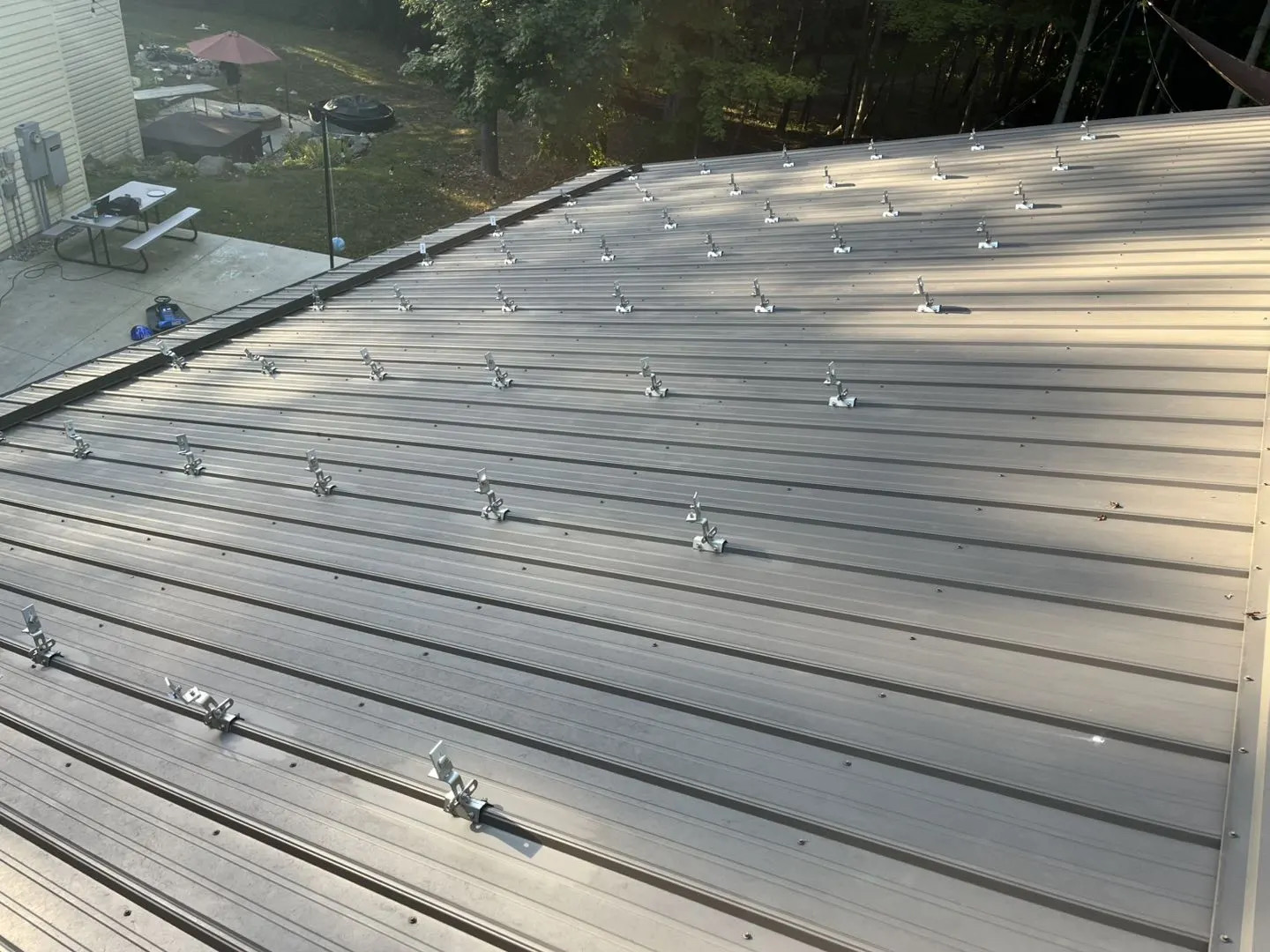
Aluminum and stainless steel both bring distinct advantages to fabrication, but their surface behavior is nothing alike. Aluminum forms a softer oxide layer and tends to grab onto coatings well after proper etching or conversion treatment. Stainless steel, especially the 300 series, is denser and more corrosion-resistant on its own, which also makes it less forgiving when a coating needs to bond. Choosing a finish without accounting for that difference is usually where failures start.
For aluminum, anodizing remains one of the few options that becomes part of the metal rather than just sitting on top of it. A properly sealed anodic layer resists abrasion, UV exposure, and salt spray far longer than most liquid paints. Powder coating works too, but it depends heavily on pretreatment—skipping the chromate conversion or an equivalent non-chrome process almost guarantees edge creep and flaking within a couple of seasons. For architectural trim or marine hardware, a two-coat PVDF system over a suitable primer tends to outlast standard polyester powders by a wide margin.
Stainless steel rarely needs a coating for corrosion resistance, but when it does—usually for color, grip, or chemical isolation—the surface prep changes entirely. Passivation removes free iron and allows subsequent coats to adhere without peeling. Thin-film ceramic and electrocoat finishes can hold up if the metal is properly cleaned and etched, but thick paint layers on an unprepared stainless surface often fail in sheets. Matching the coating to the metal’s natural oxide behavior matters more than chasing a universal heavy-duty claim.
Reading Past the Brochure for Signs a Supplier Can Handle Your Market
Glossy photos and bullet-point claims rarely survive contact with a real order. When you look past the sales sheet, the first thing worth checking is how the supplier responds to awkward questions. Do they ask about your region's voltage, labeling rules, or peak season, or do they pivot back to pricing and minimums? A factory that has genuinely shipped into your market will usually mention specifics without being prompted—like the time they reworked packaging for a Scandinavian importer or adjusted thread tension for a Middle Eastern climate.
Another signal sits in their sample handling and revision habits. Ask for a small customization that mirrors local expectations: a different finish, a tighter tolerance, a bilingual insert. Suppliers who push back with thoughtful alternatives rather than blanket yes-answers tend to understand what your buyers will tolerate. The ones who have never faced a returns audit often waste two or three rounds fixing the wrong thing, then blame the courier.
Finally, watch how they talk about failure. If a supplier can describe a past complaint from a customer in your market and what they changed afterward, that's more useful than a wall of certificates. Real capability shows up in the details they volunteer about recall costs, re-inspection fees, or a packaging tweak after a humid summer. That kind of memory usually means they have already paid for the lesson you are trying to avoid.
Custom Tooling and Tolerances Most Buyers Only Discover After Sampling
Most drawings look complete until the first sample run hands back a part that measures within spec but refuses to assemble. The bore is dead-on nominal, the flange sits flat on the granite plate, and yet the mating pin drags before it seats. What's missing is the stack nobody assigned to the drawing: plating build on the pin, barrel draft inside the bore, and the slight ovality a cooling part picks up as it leaves the tool. Sampling doesn't just verify the print, it exposes the unprinted interactions between material, tool wear, and finishing that determine whether a batch of parts actually feels right in your hand.
Custom tooling also has a fingerprint that CAD hides. Ejector pin locations, gate vestige, knit lines, and a barely visible step at the parting line all become negotiation points after the first articles arrive. A surface can pass a roughness callout yet catch light differently where the texture was polished around a deep rib. Buyers only learn this by holding samples next to a production reference part, rotating both under the same ceiling light, and deciding which shadow is acceptable. That conversation cannot be had from a PDF, no matter how many annotations are stacked on the section view.
Then there are tolerances that bend with material and season. Glass-filled nylon shrinks more across flow than along it, so a flatness figure that worked on a machined prototype may not survive molding without tool compensation. A powder coat that adds nominal thickness also rounds sharp edges and closes small clearance slots. The first sample batch makes these trade-offs visible because it carries the real process history: gate pressure, cooling time, coating thickness, and the hand-work of the mold polisher. After sampling, the spec stops being a theoretical boundary and becomes a record of what the tool actually repeats.
The Real Cost of a Cheap Clamp When Installations Start Failing
A clamp that costs a few cents less seems like an easy win until a callback wipes out the margin on the entire job. The failure rarely shows up immediately. It appears weeks later as a sagging run, a slow leak, or a clamp that has cracked under thermal movement. By then the installer is back on site, pulling apart finished work and paying for labor that was never in the original estimate.
Cheap clamps often share the same visual cues as their reputable counterparts, but the differences live in the details: thinner band material, softer screws, shallower threading, and plating that flakes after the first exposure to moisture. Under load, those weaknesses compound. What starts as a minor fastener issue becomes a structural or fluid-handling problem that can damage surrounding materials, trigger inspections, or force a full reinstallation of the affected section.
The true expense is not the replacement part. It is the unrecoverable time, the damaged trust with the client, and the quiet reputation cost that follows the installer into future bids. A cheap clamp that fails on one project does not stay on that project; it becomes the reason the next call goes to someone else.
Vetting Questions That Reveal More Than a Factory Tour
Most people touring a factory watch machines spin and boxes stack, but they miss the glimpses that actually matter. The way a forklift driver hesitates before moving a pallet, the scuffed floor near a particular workstation, the half-erased whiteboard notes from last week's quality meeting. Those details reveal whether the operation runs on habit or on genuine attention. A clean but slightly worn path between stations might signal a well-rehearsed routine; a trail of temporary fixes and taped labels often points to deeper instability.
The real questions come after the tour, when the guide relaxes. Ask what was fixed last month without a supervisor asking, or which machine everyone avoids on Mondays. Listen for pauses, not polished answers. A production manager who mentions a tooling change that came from a line worker, and describes it with specific timelines, is telling you something no spec sheet captures. Sometimes the most honest answer arrives when someone says, 'We tried that once, and it failed badly'—then explains exactly why.
Watch how people treat the unglamorous corners, too. A tidy raw-material staging area can hide a chaotic backend, while a messy but clearly labeled rejection pile might indicate honest problem tracking. These small contradictions are more informative than any staged presentation. The goal isn't to catch anyone off guard, but to see whether the factory's story holds together when nobody's performing. That's where the actual capability lives.
FAQ
It rarely comes down to the sales pitch. Dependable suppliers tend to be open about batch-to-batch tolerances, provide raw material traceability without being asked twice, and can show independent salt spray or pull-out test data for the exact clamp model you are buying. Mediocre ones usually hide behind a low price and a generic catalogue.
Things like mould amortization, export packing, inland freight to the port, third-party testing fees, bank charges, and changeover costs for small orders can quickly change the real landed cost. I always ask for a breakdown that includes palletizing, whether the price is inclusive of tax, and who pays for the sample courier.
UL 2703 recognition is often the first thing installers ask for in North America, but it is not the only signal. ISO 9001 matters for process control, while material-level reports such as salt spray hours, tensile strength, and anti-slip tests tell you more about the actual product. Check that the certificate holder name matches the factory that will really produce your order.
Trading companies can be useful when you need mixed kits or faster communication, but they add a layer between you and the production line. If you need long-term quality control, root cause analysis, or custom tooling, a factory with its own extrusion, stamping, or coating process is usually easier to hold accountable. Just do not assume a supplier is a factory because their website says so.
Ask for samples from two different production batches and send them to a local lab for spectral analysis and salt spray testing. Then compare the results with the supplier's own reports. Also ask for the raw material supplier's batch certificates. If the numbers keep shifting between batches, that tells you more than a polished factory video.
Beyond simple size changes, a capable supplier should be able to adapt to different roof profiles, adjust clamp height for rail alignment, offer custom colors, and work with project-specific wind or snow load data. They should also be honest when a requested design weakens the clamp instead of just saying yes to win the order.
It is the starting point. Trapezoidal metal roofs, standing seam profiles, and tile roofs need completely different gripping methods and bite depth. A clamp that fits one profile can damage another or fail mechanically. The best suppliers ask for the exact sheet profile drawing, rib spacing, and material thickness before quoting.
Watch out for suppliers who only share generic marketing sheets, cannot tell you the coating thickness, refuse to provide traceable test reports, or use a certificate name that does not match the company you are dealing with. A quote that is far below the market usually means corners are being cut somewhere, often in material grade or surface treatment.
Conclusion
Finding a Chinese solar roof clamp supplier that actually holds up under project conditions means looking beyond glossy brochures and polished factory floors. The dependable ones stand out through consistency in raw material sourcing, especially aluminum and stainless steel grades that retain clamp force after repeated thermal cycles, and coatings that do not flake after a year on a coastal rooftop. Many buyers only uncover the real story after sampling, when custom tooling tolerances and hole alignment either match the drawings or quietly drift. Reading past the brochure means checking whether a supplier understands local permitting habits, installer expectations, and packaging details for your market rather than offering a one-size-fits-all catalog.
Cheap clamps tend to reveal their cost later, when loosening, micro-cracks, or galvanic corrosion start showing up across installations, turning a small saving into callbacks and warranty claims. A better vetting approach asks about batch traceability, how they isolate aluminum from stainless steel to avoid corrosion, what tolerance they hold on the rail interface, and how they handle deviations after tooling trials. Asking a few pointed questions during the factory visit usually reveals more than the tour itself, because the answers show whether the supplier treats roof hardware as commodity parts or as a load-path component that has to stay put for twenty years.
Contact Us
Contact Person: Leite
Email: [email protected]
Tel/WhatsApp: (+86)13666072898
Website: https://www.egretsolars.com/
