

Top Aseptic Bag-in-Box Solutions for Superior Liquid Packaging
2026-07-15
When it comes to preserving the freshness and quality of liquid products, packaging isn’t just a container—it’s a safeguard. Enter aseptic bag-in-box solutions, a game-changer for industries ranging from beverages to dairy and beyond. But with so many options, finding the right fit can feel like searching for a needle in a haystack. That’s where Kody steps in, offering cutting-edge technology that keeps your liquids pristine from fill to final pour. In this guide, we’ll unpack the top solutions that combine durability, sterility, and efficiency, so you can focus on what matters most: delivering a product that tastes as fresh as the moment it was packaged.
Reinventing Liquid Storage with Aseptic Bag-in-Box Engineering
Traditional liquid packaging methods often compromise between product integrity and operational efficiency. The aseptic bag-in-box system challenges this trade-off by isolating the liquid from external contaminants through a multi-layered barrier that maintains sterility from filling to dispensing. This engineering approach eliminates the need for preservatives while extending shelf life without refrigeration, making it a practical solution for sensitive fluids like wine, juices, and dairy concentrates.
What sets modern bag-in-box design apart is its focus on seamless integration into diverse supply chains. The collapsible bag minimizes headspace and oxidation during use, preserving flavor and nutritional value. Advanced fitments and one-way valves ensure controlled flow and prevent air ingress, while the outer box provides structural stability and stackability. This versatility reduces packaging waste and transportation costs, appealing to producers who value both sustainability and operational simplicity.
Beyond preservation, the system's adaptability shines in unexpected contexts. From post-mix syrups in the beverage industry to clinical nutrition and industrial intermediates, the technology’s modularity allows customization of film laminates and dispensing mechanisms to suit specific viscosities and chemical compatibilities. It’s an evolution that quietly redefines liquid storage not as a passive container, but as an active component in product strategy.
Beyond Basic Packaging: The Material Innovations Driving Shelf Life
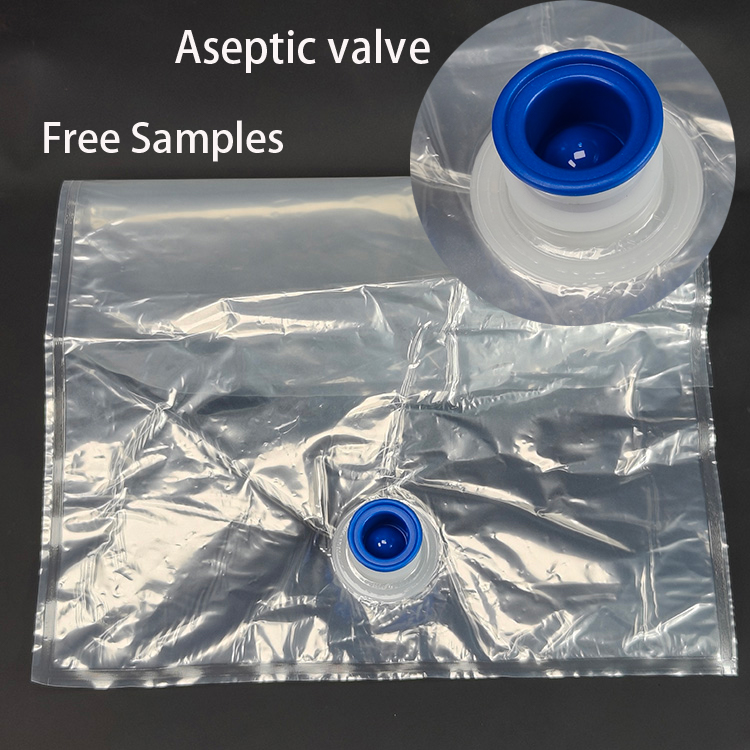
Traditional packaging often just provides a physical barrier, but today’s demands are far greater. The real advance lies in materials that actively interact with the product to slow spoilage. Think of oxygen-scavenging films that absorb residual air inside a sealed package, or moisture-regulating layers that prevent sogginess without drying out the food. These aren’t passive wrappers; they’re engineered systems that extend freshness by responding to changes in the environment, keeping products safer and more appealing for longer.
Innovations like antimicrobial coatings derived from natural sources—chitosan from shellfish or plant-based essential oils—are disrupting the standard polymer landscape. They inhibit the growth of molds and bacteria directly on the packaging surface, reducing the need for synthetic preservatives inside the product itself. Meanwhile, time-temperature indicators embedded into smart labels provide real-time visual cues of cold chain integrity, bridging the gap between material science and digital monitoring. Such freshness sensors shift the focus from a static “best before” date to dynamic quality assurance.
The drive for sustainability is also reshaping shelf-life technologies. Biobased films made from alginate, cellulose, or even milk proteins are moving beyond niche applications, offering compostable alternatives that don’t compromise on performance. Edible coatings are another frontier—applied directly to produce, they slow respiration and moisture loss while being entirely consumable. These breakthroughs signal a future where packaging does far more than contain; it actively preserves, communicates, and aligns with circular material flows.
Flexible Formats for Unique Liquid Product Demands
When it comes to liquid products, one size rarely fits all. Whether it’s a viscous syrup, a thin solvent, or a carbonated beverage, each formulation has its own personality—and that personality demands a packaging format that can keep up. Flexible formats, from spouted pouches to custom-shaped cartons, allow brands to move beyond the rigid constraints of traditional bottles and cans, giving them the freedom to design containers that match the texture, pour behavior, and shelf life of their unique liquids.
The beauty of flexible packaging lies in its ability to be tailored precisely to product characteristics. For instance, a high-viscosity sauce might thrive in a stand-up pouch with a wide, resealable spout, while a delicate essential oil might need a dropper-integrated design to ensure controlled dispensing. By playing with materials—think multi-layer barriers for oxygen-sensitive juices or lightweight films for cost-efficient shipping—manufacturers can engineer structures that protect freshness without adding unnecessary bulk.
But it’s not just about function; flexible formats spark aesthetic innovation too. The tactile feel of a matte-finish pouch, the crisp snap of a fitted closure, or the subtle transparency of a window on a carton can turn an everyday liquid into a sensory experience. These details communicate quality and care, helping products stand out on crowded shelves. In a market where consumers expect both performance and personality, flexible formats aren’t just an option—they’re the answer to giving every liquid its perfect, distinctive home.
How Modern Filling Systems Cut Costs and Contamination
Modern filling systems slash operational costs by automating precision. Older machines often overfill to avoid regulatory penalties, but today’s servo-driven pumps and mass flow meters hit exact targets within a fraction of a percent. This accuracy eliminates product giveaway— even a half-percent reduction on a high-volume line can save tens of thousands of dollars annually. Additionally, automated cleaning cycles cut labor hours while extending equipment lifespan, and integrated sensors flag maintenance needs before costly breakdowns.
Contamination risks drop dramatically with closed-path designs and sterilize-in-place capabilities. Instead of exposing product to ambient air during fills, aseptic systems maintain a sterile barrier throughout the process. Many now use self-draining geometries and crevice-free surfaces that prevent bacterial harborage. Combined with real-time environmental monitoring, these systems catch microbial excursions instantly, protecting both consumer safety and brand reputation.
The real value lies in data integration. Modern fillers feed granular metrics—temperature, pressure, fill accuracy—straight into plant-wide control systems. This visibility lets managers fine-tune recipes on the fly and perform predictive maintenance, avoiding unplanned downtime. When a line can switch between container sizes in minutes without mechanical changeovers, production flexibility soars, lowering changeover waste and energy use per unit filled.
Sustainability at the Core of Liquid Packaging Design
Liquid packaging has long been associated with convenience, but the tide is turning toward designs that prioritize the planet without compromising performance. At the heart of this shift is a holistic approach that considers every stage of a package's life—from sourcing renewable or recycled materials to ensuring the final container can re-enter the production cycle. Instead of treating sustainability as a box-ticking exercise, forward-thinking brands are reimagining structures that use fewer layers, eliminate problematic adhesives, and integrate bio-based barriers. The result is a new generation of cartons, pouches, and bottles that protect liquids just as effectively while leaving a lighter environmental footprint.
Material innovation is rewriting the rules of what liquid packaging can be. Traditional laminates that fused plastic, aluminum, and paper together created functional but unrecyclable hybrids. Today, designers are turning to mono-material structures that maintain strength and freshness—think fully recyclable polyethylene-based cartons or paper bottles with ultra-thin, separable liners. Plant-based coatings derived from sugarcane or wood fibers are replacing petroleum-based layers, and some concepts even use seaweed extracts to create edible or dissolvable films. These breakthroughs not only reduce reliance on virgin fossil resources but also simplify sorting and reprocessing, closing the loop in ways that would have seemed impossible a decade ago.
True sustainability in liquid packaging extends beyond the material palette to embrace systems-level thinking. Design now involves planning for disassembly, where caps, spouts, and bodies are engineered to be easily separated by consumers or recycling facilities. Refill-and-reuse models are gaining traction, with sleek, durable containers that customers return to filling stations, cutting single-use waste at the source. Even decoration is being rethought: labels printed with algae-based inks or direct laser engraving eliminate the need for additional substrates. By embedding circular principles into the very blueprint of a package, the industry is moving from incremental improvements to a fundamental redesign that keeps liquids safe, brands distinctive, and ecosystems intact.
From Dairy to Chemicals: Safeguarding Liquids Across Industries
Protecting liquids during storage and transport isn’t a one-size-fits-all challenge. Dairy products demand strict hygiene to prevent spoilage, while aggressive chemicals require materials that resist corrosion and leakage. A failure at any point can lead to product loss, safety hazards, or regulatory trouble. That’s why industrial systems have evolved to handle this spectrum—from aseptic stainless-steel tanks for milk to fluoropolymer-lined vessels for acids—each tailored to maintain purity and stability under vastly different conditions.
Beyond the container itself, secondary containment and leak detection have become standard practice. Double-walled designs, spill pallets, and continuous monitoring sensors add layers of defense, catching potential failures before they escalate. In food processing, this might mean intercepting a coolant leak before it contaminates a batch; in chemical plants, it could prevent a corrosive substance from reaching the environment. These safeguards aren’t just about compliance—they’re about preserving trust in the supply chain, whether the shipment is a tanker of milk or a drum of sulfuric acid.
The technology continues to adapt as industries push for greater efficiency and sustainability. Automated cleaning systems, for instance, now reduce water and chemical use in dairy plants while ensuring sterility. On the chemical side, smart linings and real-time condition monitoring allow older infrastructure to safely handle new, more challenging substances. By blending material science with practical engineering, companies can keep their liquid assets secure across every stage, no matter how different the product may be.
FAQ
Aseptic Bag-in-Box systems use multi-layer barriers that block oxygen and light, while the sterile filling process eliminates pathogens without high heat, preserving taste, nutrients, and extending shelf life even without refrigeration.
You'll find these systems widely adopted in dairy, wine, liquid eggs, fruit juices, and even tomato products. They're also gaining traction in craft beverages and specialty liquid foods where freshness and easy dispensing matter.
The entire path—from bag to spout—is sterilized before filling. Hot air or chemical sterilants are used, then the liquid is flash-pasteurized and filled in a closed, controlled environment to maintain sterility.
Typically, you'll see co-extruded films with EVOH or metallized polyester layers. These are engineered to provide oxygen barrier properties and puncture resistance, often paired with a PE inner layer for product compatibility.
Absolutely. The same aseptic technology works for both, but low-acid products require stricter sterilization parameters and often post-filling validation to ensure commercial sterility, especially for long ambient storage.
The bag collapses as you dispense, so the product stays fresh longer with less waste. Plus, the corrugated box is recyclable and the bag uses less plastic than rigid containers, lowering overall material use and transport emissions.
Go beyond just the equipment. Look at their track record with your product category, the flexibility of their filler designs, and the ongoing support for bag supply and quality control to maintain aseptic integrity over time.
Initially you might see higher setup costs, but the extended shelf life, lower refrigeration needs, and efficient cube utilization often reduce total supply chain expenses, making it cost-effective especially for high-end or sensitive liquids.
Conclusion
Aseptic bag-in-box technology is transforming liquid packaging by merging advanced engineering with material science to extend shelf life without preservatives or refrigeration. Modern designs leverage multi-layer films with high-barrier properties that lock out oxygen and light, while ultra-clean filling systems operate in sterile environments to slash contamination risks and operational costs. This closed-loop approach not only keeps products like dairy, juices, and even chemicals stable for months but also opens the door to flexible format options—from small retail pouches to bulk industrial liners—that adapt to diverse viscosity and acidity levels without compromising sterility.
Beyond preserving product integrity, these solutions are redefining sustainability by minimizing material usage and waste. The lightweight, collapsible design reduces storage and transport footprints, while the separated bag and outer box promote easier recycling streams. Whether it’s safeguarding sensitive beverages or industrial fluids, the system’s adaptability across sectors underscores a shift toward smarter, cleaner packaging that prioritizes both performance and environmental responsibility. By continuously refining barrier technologies and filling processes, the industry is crafting a new standard where safety, efficiency, and eco-consciousness coexist seamlessly.
Contact Us
Contact Person: Cindy Lee
Email: [email protected]
Tel/WhatsApp: 8613622669331
Website: https://www.dgkody.com