

Reliable Diesel Portable Air Compressor: Your Ultimate Guide to Heavy-Duty Performance
2026-07-22
When the job demands unwavering power in the most remote corners, a standard air compressor simply won't cut it. That's where the surge of diesel-driven portability meets relentless heavy-duty output. Whether you're powering pneumatic tools on a sun-scorched construction site or running critical equipment miles from the grid, the right machine becomes your silent partner in productivity. In this guide, we strip away the noise to explore what truly makes a diesel portable air compressor deliver, spotlighting innovations from Seize Air that redefine field-ready performance. Ready to see how raw torque and mobility transform your workflow? Let's dive in.
What Makes Diesel Portable Air Compressors Indispensable for Heavy-Duty Tasks?
Few tools match the raw, self-sufficient power of a diesel portable air compressor on a remote job site. Unlike electric models tethered to a grid or gas-powered units that falter under continuous load, diesel engines deliver relentless torque and stamina, shrugging off 10-hour shifts without a hiccup. They thrive where others stall—high altitudes, scorching heat, or biting cold barely register. That dependability isn't just convenient; it's the backbone of heavy-duty tasks where downtime costs more than equipment.
The real game-changer, though, is how these compressors handle massive airflow demands without breaking stride. Running multiple pneumatic tools simultaneously—jackhammers, sandblasters, impact wrenches—would choke a lesser machine. Diesel systems use advanced rotary screw designs that cool and compress air with minimal loss, keeping pressure steady even as conditions shift. This isn't just about brute force; it's about adapting fluidly to the chaos of construction, mining, or rigging work, making them indispensable not because they're loud and large, but because they silently outwork every alternative when everything's on the line.
Key Components That Define Durability and Power
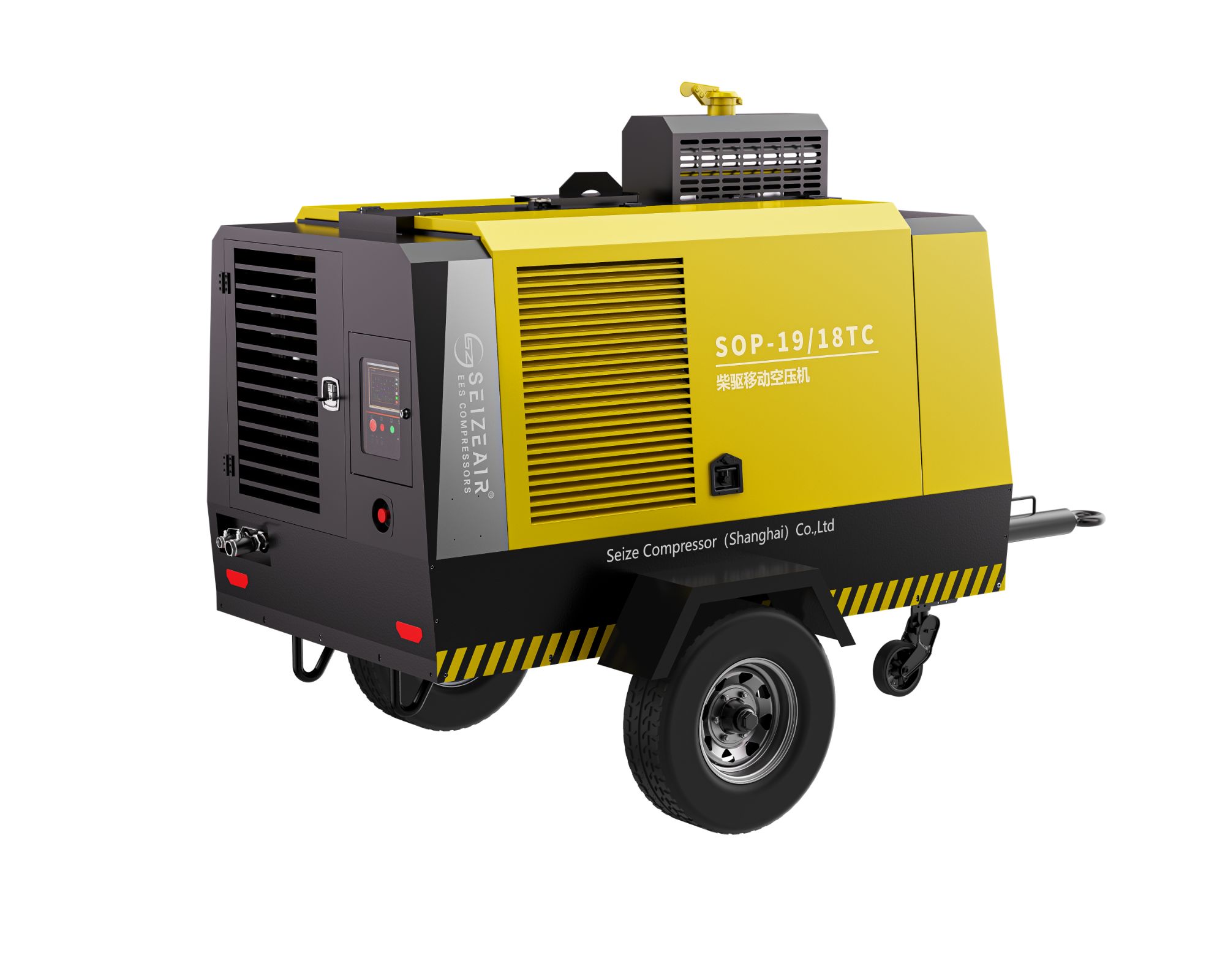
The real backbone lies in the materials that hold everything together under stress. Instead of relying on run-of-the-mill alloys, premium builds often integrate specially treated steel or reinforced aluminum capable of shrugging off thermal expansion and repeated impact. This isn't about bullet points on a spec sheet — it's about how a component behaves after thousands of cycles, how the grain structure resists microscopic cracking. That quiet resilience is what separates a fleeting burst of performance from a legacy of consistent output.
Something as seemingly mundane as bearing selection and gear meshing actually dictates whether power reaches the ground or dissolves into heat and vibration. Overbuilt, precision-cut interfaces transfer energy with minimal loss, while sloppy tolerances bleed horsepower. The difference shows up not on a dynamo sheet during the first run, but three years later when the machine still engages with the same crisp, confident bite it had on day one.
There's a balance that often gets overlooked: durability doesn't mean overengineering to the point of sluggishness. The goal is a kind of purposeful substance — where each supporting structure, each oil channel, is configured to handle stress without adding parasitic mass. When that harmony is struck, the resulting powertrain doesn’t just survive hard use; it encourages you to push harder, because it never feels like it’s holding back. That’s when durability stops being a passive trait and becomes an active part of the driving character.
How to Match Compressor Specs to Your Toughest Job Demands
Matching compressor specs to demanding jobs starts with a clear-eyed assessment of your peak air requirements, not just the average. Look beyond the brochure CFM ratings and calculate the simultaneous draw of your hungriest tools—a 1-inch impact wrench and a high-flow sander running together can instantly expose a unit that looks fine on paper. Pay attention to duty cycle; if you're running continuous operations like sandblasting or jackhammering, you need a compressor rated for 100% duty cycle, not the typical 50-75% found in entry-level models. The right match means your compressor never becomes the bottleneck.
Pressure consistency under load separates the performers from the pretenders. When you’re pushing tools at the far end of a long hose run, pressure drop can turn a 175 PSI rated compressor into a 90 PSI disappointment at the tool. Look for specs that list both free air delivery at a specific pressure and the compressor’s ability to recover quickly—pump displacement and tank size matter more when the job demands sustained high flow. A larger tank smooths out spikes, but without a pump that can keep up, you’ll be waiting for pressure to build while the crew leans on shovels.
Environmental conditions often dictate the final spec decisions. If you’re working at altitude, naturally aspirated compressors lose efficiency, so consider oversized units or those with turbocharged heads to compensate. Dust, moisture, and extreme temperatures kill lesser machines; look for fully enclosed cabinets with effective filtration and intercooling if your jobsites are harsh. And don’t ignore the power source: a gas engine with electronic fuel injection will start easier and run cleaner in freezing conditions, while an electric motor might need a true industrial rating for sustained heavy starts. Match the machine to the environment, and the specs will take care of the rest.
Real-World Performance: Beyond the Spec Sheet
Raw specs rarely tell the full story of how a device feels in your hands. A phone with impressive benchmark scores can still stutter during daily tasks if the software isn’t well-tuned, or if thermal throttling kicks in after a few minutes of gaming. Real-world performance is about the seamless integration of hardware and software—how quickly apps open, how smoothly transitions occur, and whether the device stays responsive under pressure. It’s the difference between a high-resolution camera that produces dull, lifeless photos and one that consistently nails color, exposure, and focus without you ever having to tweak a setting.
Battery life is another area where spec sheets often mislead. A large battery capacity sounds promising, but if the processor is inefficient or the screen draws too much power, you might still find yourself hunting for a charger by mid-afternoon. True endurance comes from how well the system manages background tasks, adapts screen refresh rates, and optimizes connectivity. It’s about the hours of actual use—streaming video, navigating with GPS, scrolling through social feeds—not just the number printed on the box. When you live with a device day in and day out, you quickly learn which numbers matter and which are just marketing fluff.
Maintenance Secrets for Long-Lasting Reliability
Reliability isn't a purchase, it's a practice. The machines and systems we depend on rarely fail overnight—they whisper warnings long before they break down. I learned this the hard way, standing next to a silent generator during a winter storm. The culprit? A clogged fuel filter I'd been meaning to check. Since then, I've treated maintenance less like a chore and more like a conversation with the equipment. Listen closely, and it will tell you what it needs.
There's a quiet art to keeping things running that goes beyond the manual. For instance, never underestimate the power of cleanliness. Dust and grime aren't just eyesores; they trap heat, encourage corrosion, and hide early signs of wear. I start with a simple walk-around, touching surfaces for unusual vibration or temperature. Fluid colors and smells often reveal stories that gauges miss. And when it comes to lubrication, a little extra care with the right grease at the right interval is like feeding a good habit—it pays back tenfold.
Finally, document everything, but not for an auditor—for your future self. A quick note about a subtle change in sound or a slightly longer starting time creates a timeline that can predict problems before they escalate. I keep a logbook that's half journal, half diagnostic tool. The real secret? Treat maintenance as a relationship, not a task list. Components that know they're cared for tend to return the favor with years of steadfast service.
Choosing Between Models: Subtle Differences That Matter
When evaluating AI models, the decision often hinges on nuances that aren’t immediately obvious. Performance metrics tell only part of the story; what matters more is how a model handles the specific quirks of your task. For instance, one model might excel at creative writing but falter when precision is required, while another may produce dry, overly factual responses that lack the warmth needed for customer-facing applications. Understanding these subtle differences means running side-by-side comparisons with your actual use case, not just benchmark datasets. The goal is to find a model whose strengths naturally align with your priorities, whether that’s tone, speed, or the ability to gracefully handle ambiguity.
Another overlooked factor is how models respond to subtle changes in prompt phrasing. A slight shift in wording—like asking for a “summary” instead of a “takeaway”—can lead to surprisingly different outputs from two otherwise similar models. This sensitivity can make or break consistency in production environments. Pay attention to how each model interprets instructions when you’re not using perfectly crafted prompts; the one that maintains reliability even with informal or hastily written inputs is often the better long-term choice, especially in real-world scenarios where users won’t adhere to a strict format.
Finally, consider the model’s behavior when it encounters edge cases or requests it can’t fulfill. Some models will confidently produce plausible-sounding but incorrect information, while others are more likely to express uncertainty or ask for clarification. This difference becomes critical in applications where accuracy is paramount. Beyond error rates, look at the types of mistakes: do they stem from overgeneralization, or from a conservative refusal to engage? A model that knows when to say “I’m not sure” can often be more valuable than one that always has an answer, provided that reluctance doesn’t stifle useful output. These behavioral nuances rarely show up in standard comparisons, but they deeply affect user trust and overall experience.
FAQ
A rugged engine, durable components like cast iron cylinders, and built-in safeguards such as automatic shutdown for low oil or high temperature ensure consistent performance under tough conditions.
Most models come with a sturdy trailer or skid mount, making them easy to tow or transport to remote sites. Despite their power, they're designed for job site mobility.
Regular oil changes, air filter checks, and fuel system inspections are essential. Daily visual checks for leaks and proper lubrication can prevent unexpected downtime.
Yes, many units deliver enough CFM and PSI to power several pneumatic tools simultaneously, like jackhammers, impact wrenches, and sandblasters, without pressure drops.
Generally, diesel engines are more fuel-efficient and offer better torque for continuous heavy use, which lowers operating costs over long shifts.
Look for features such as emergency stop buttons, safety relief valves, and auto-shutdown systems. Enclosed models also reduce noise and protect moving parts.
Match the compressor’s output (CFM) to the total air consumption of your tools. It's wise to add a 20% buffer to avoid overworking the unit.
Conclusion
When facing the most punishing job sites, nothing matches the relentless output of a quality diesel portable air compressor. These machines have earned their indispensability by delivering consistent high-volume airflow under conditions that would choke electric alternatives. Unlike stationary units or smaller electric models, diesel compressors thrive where grid power is absent, running for hours without faltering under dust, mud, and temperature swings. Their heart lies in a few critical components: a durable diesel engine designed for low-end torque, paired with a rugged rotary screw or piston air end that resists wear even when the air intake is less than pristine. Robust cooling systems—often combining oil and air cooling—prevent heat-related breakdowns, while heavy-duty filtration keeps destructive particles out of the compression chamber. Even the frame and undercarriage are engineered to absorb job-site vibration and abuse, proving that real durability shows up before the first CFM is measured.
Sizing a compressor goes beyond simply matching published CFM and PSI ratings; it demands an honest look at your tools’ actual consumption patterns and duty cycles. A jackhammer may need 90 PSI continuously, but a blast pot requires sustained volume with minimal pressure drop—a mismatch that can starve your operation. Real-world performance reveals secrets the spec sheet hides: how quickly the unit recovers after a heavy draw, how it handles simultaneous tool usage, or whether it maintains rated output as fuel levels drop and ambient temperatures rise. Longevity, meanwhile, is a game of disciplined maintenance. Daily water separation, timely oil changes with the correct viscosity, and religious air filter inspections become rituals that prevent the slow degradation of efficiency. When comparing models, the subtle differences—control panel layout, valve accessibility, noise attenuation, even the type of battery used—can tip the scales. A machine that’s easy to service in the field keeps downtime to a minimum, and that’s the kind of reliability that turns a tool into an asset.
Contact Us
Contact Person: Mia
Email: [email protected]
Tel/WhatsApp: +86 19821985894
Website: https://www.seize-air.com