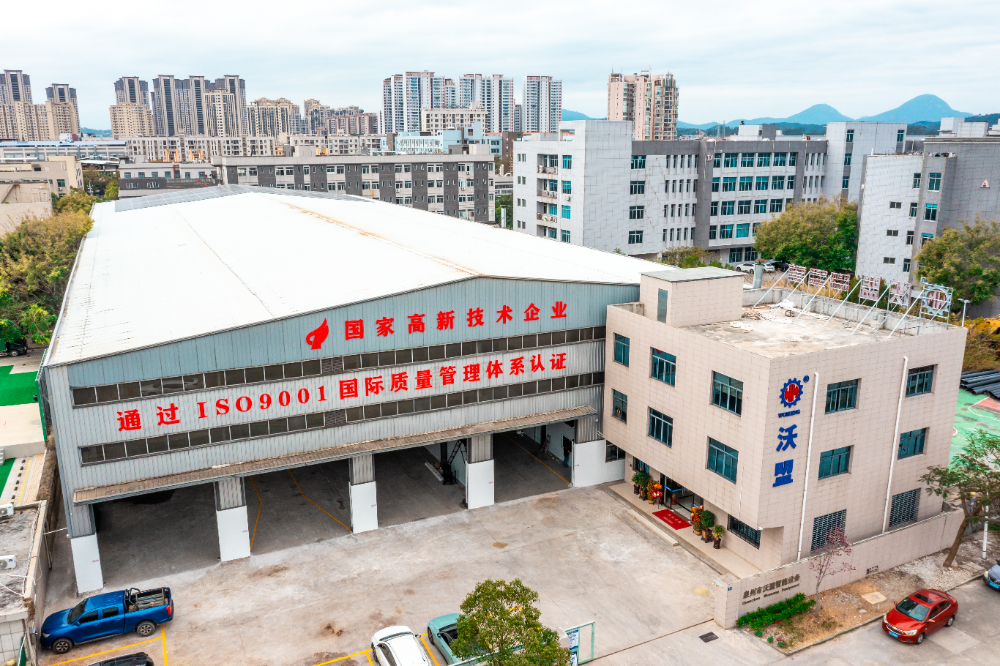

Pet Diaper Making Machine Factory Visit Tips for Serious Buyers
2026-11-02
Walking into a pet diaper factory without a plan is how serious buyers end up with machines that look great in a brochure but stall on the production floor. If you're about to tour a facility—or shortlist one—knowing what to check beyond the spec sheet can save you months of regret. From raw material handling and core formation to the quiet details like blade sharpening and tension control, every corner of the line tells a story. And if you're comparing builders, a name like Womeng often comes up among buyers who've learned to look past the paint job. This guide walks you through the factory visit questions that actually matter, so your next trip isn't just a photo op—it's a decision-making tool.
Bring Your Own Raw Materials and Watch Them Run
The idea is simple enough: you show up with what you have, and the machines take it from there. No waiting on supplier shipments or juggling inventory that never quite matches your specs. Bring the raw stock, the unprocessed sheets, the rough-cut blanks, and the floor starts humming. What used to take days of prep and back-and-forth now happens in a single pass, right in front of you.
There's a certain satisfaction in watching the first piece slide off the line, still warm from the cutting head. You know exactly what went in, because you loaded it yourself. No hidden substitutions, no last-minute material swaps. Whether it's a batch of aluminum bar stock or a stack of acrylic panels, the setup adapts to what you brought, not the other way around. Operators don't need to re-learn a new workflow every time the material changes. The whole thing feels less like running a factory and more like feeding a very hungry, very precise machine.
It also changes how you think about your own supply chain. Instead of paying a middleman to store and deliver stock, you keep control from the moment raw material arrives at your dock. You might even start experimenting with offcuts and leftover pieces from other jobs, because there's no penalty for bringing something unconventional. The system runs it, measures it, and gives you a finished part without a lecture about minimum order quantities. That's the real shift: your materials, your timeline, and a process that doesn't just tolerate variety, it expects it.
Check the Welding Station, Not Just the Finished Product
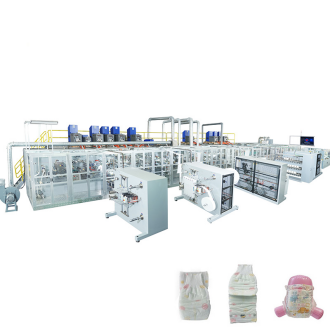
Many quality teams make the mistake of treating the weld as something that either passes or fails after it's already done. By then, you're reacting to defects instead of preventing them. The real story about a weld's reliability starts at the station itself—electrode condition, gas flow, clamp pressure, and even the angle of the torch all leave their fingerprints on the final joint long before the part reaches inspection.
Walking the line and actually watching how a station is set up reveals problems that a finished-product check never will. A slightly misaligned fixture might still produce a cosmetic pass on one out of five parts, but that intermittent failure will haunt you later. Checking the station means verifying that every parameter is locked in, that the operator isn't fighting the tooling, and that maintenance hasn't slipped into guesswork.
Shifting attention upstream doesn't mean you abandon final inspection—it means you stop using it as your only safety net. When welding stations are checked consistently, scrap rates drop and rework becomes rare because the source of variation is caught early. The finished product simply confirms what the station should have already told you.
Ask About Blade Life Before You Ask About Speed
Most buyers walk into the store fixated on top speed, acceleration, or how many RPMs the motor can hit. Yet the real question that separates a smart purchase from an expensive mistake is far simpler: how many hours will the blade stay sharp enough to cut cleanly? A blade that dulls after fifty cuts will slow you down more than any motor ever could, forcing you to stop, swap, or sharpen while the clock burns. Ask about edge retention first—what steel is used, how it's heat-treated, whether it's coated or bare. If the seller stumbles on those details, that's your answer.
Blade life isn't just about convenience; it changes the math of the whole job. A blade that loses its edge quickly demands more power from the machine, more pressure from your hands, and more replacement costs down the line. Compare two saws with identical motor specs: one has a blade rated for 200 cuts in hardwood, the other starts tearing fibers at 60. You'll finish later, sand more, and spend an extra forty bucks on a new blade before the first one would have even hit its stride. Speed numbers on the box mean nothing if the blade can't hold up to real work.
When you're comparing options, ask for actual testing data or at least a demonstrated track record from users who push the tool daily. Listen for words like "carbide-tipped," "micro-grain," or specific hardness ratings. If the manufacturer won't talk about blade life, they're probably hiding behind a flashy spec sheet. The fastest saw in the world with a dull blade is just a loud paperweight. Ask about the blade first, then let speed be the cherry on top.
Tour the Warehouse During a Shift Change, Not Just at 10 AM
Most warehouse tours get scheduled for mid-morning because that's when operations look calm and controlled. But if you really want to understand the place, show up as one crew clocks out and another takes over. That handoff window exposes more than any polished walkthrough: you'll see whether the departing team actually passes along problems or just waves and leaves, how the incoming shift rechecks equipment, and where people gather because something isn't working the way it should.
Pay attention to the small rituals that don't make it into a 10 a.m. visit. Are forklift operators doing a quick battery swap while sharing notes? Does the new shift huddle by the dock doors to sort out which trailers are late? Those moments reveal how information moves, what gets ignored, and which bottlenecks are accepted as normal.
If you're evaluating a warehouse partner or trying to improve your own operation, the shift change is where plans meet reality. You'll get a clearer read on labor handoffs, equipment readiness, and whether the team can adapt when things don't go by the book—all of which stay hidden during a tidy 10 a.m. tour.
Get the Operator's Phone Number, Not the Salesperson's
Honestly, if you're dealing with a billing issue, a technical problem, or anything related to an existing account, stop calling the main sales line. Those calls usually go to reps whose entire day is built around signing up new customers. Ask for the operator or the corporate receptionist instead. They can see the internal directory and put you through to the actual department that handles your kind of issue, not someone reading from a sales script.
The operator tends to know which extension goes where, so you spend less time explaining yourself and more time getting things fixed. If they still try to route you to sales, push back and ask for account services, billing, or technical support by name. Another trick is to check the company's contact page for a direct line that isn't tied to their sales team. That alone can save you a twenty-minute hold and a conversation that goes nowhere.
Measure the Scrap Rate at the End of a Shift
Tracking scrap at shift end isn’t just about counting rejected parts—it’s about catching patterns while the details are still fresh. A quick walk along the line with a simple tally sheet often reveals more than a week of compiled reports. Operators tend to remember exactly which machine jammed or which batch ran too hot, so asking them directly during the final thirty minutes can turn fuzzy data into actionable clues.
Instead of waiting for a morning quality meeting, measure the scrap as the last piece comes off the line. Use a small whiteboard near each work cell and have the outgoing shift mark the number of scrapped units, the reason code, and the specific station. This real-time snapshot prevents the “we already cleaned up” mindset and holds each shift accountable without adding paperwork. Over a week, those handwritten notes show trends that spreadsheet averages hide.
One practical trick is to compare the scrap rate against the last two hours of production rather than the full shift average. A spike in the final hour might point to fatigue, rushed changeovers, or tool wear that only shows up after heat builds. By measuring at the end of the shift, you catch problems at their freshest—before they get buried under the next day’s startup routine.
FAQ
Confirm the factory actually produces the machines in-house instead of outsourcing final assembly, and ask for a live video walk-through of the production floor before you book any flights.
Look for branded ultrasonic components and request a continuous three-minute run with the exact material you plan to use, watching for consistent seal width and clean edge trimming.
Ask for the control panel bill of materials, the PLC program backup policy, and a spare parts price list covering the first two years of wear items.
A dedicated testing area with multiple material rolls shows how the machine handles thin, thick, and elastic nonwovens under tension changes, which a polished showroom demo cannot reveal.
Ask for contact details of three existing customers in your region and call them during the visit, ideally while you are still at the factory, to compare the support team's response time on a small technical question.
Bring a small magnet and a flashlight to check material thickness and weld consistency at the base frame joints; a quality frame will have continuous welds rather than tack welds and uniform paint or plating.
Focus on electrical safety certificates for the control cabinet, ISO 9001 for the assembly process, and any CE or equivalent marking if you plan to import into a regulated market.
Request a detailed installation and commissioning checklist with named engineers, plus a penalty clause tied to output speed and defect rate during the acceptance test.
Conclusion
Serious buyers should skip the polished demo and bring a roll of their own nonwoven or film. Watching that material run through the diaper making machine tells you more about tension control and sealing consistency than any brochure. Don't stare at the finished samples—walk straight to the welding station and feel the anvil temperature, look for buildup, and ask how often they clean it. More important than max speed is blade life. If the cutoff knives dull after two shifts, your maintenance costs will eat the profit. Ask for real numbers, not catalog specs.
Timing matters too. Visit the warehouse around a shift change, not mid-morning when everything is staged. You'll see whether raw material staging causes downtime and how the crew handles roll changes under pressure. Ask for the operator's phone number, not the salesperson's. The operator will tell you which alarms go off weekly and which sensors they bypass. At the end of a shift, don't ask for the scrap rate report—stand by the waste bin and weigh it yourself. That number, divided by total output, is the true hidden cost. A serious buyer tests the routine, not the exception.
Contact Us
Contact Person: Jessie Lai
Email: [email protected]
Tel/WhatsApp: 86-188594442931
Website: https://www.wm-machinery.com