

OEM Heat Resistant Conveyor Belt Selection and Maintenance Best Practices
2026-11-21
Most heat-resistant conveyor belt failures don't start with a weak compound—they start with a selection or maintenance decision that looked fine on paper. OEM specifications, cover thickness, pulley diameter, and cleaning routines interact in ways standard datasheets rarely reveal. This guide breaks down those overlooked factors, with practical benchmarks from YUFENG to help you extend belt life before the next unplanned shutdown.
Matching Belt Carcass and Cover Compounds to Actual Material Temperatures
Belt selection often goes wrong when temperature ratings are taken from a datasheet instead of the actual operating environment. A carcass built for ambient handling can stiffen or delaminate when the material being carried holds heat far longer than expected. Cover compounds face the same mismatch: a cover rated for intermittent contact may crack or glaze when exposed to a continuous stream of warm fines. The only reliable starting point is to measure the true material temperature at the loading point, along the carry side, and at the discharge zone—not to rely on the temperature stamped on a previous belt or the process setpoint.
The choice of polymer becomes straightforward once the real temperature profile is known. For moderate heat, a styrene-butadiene blend with a higher crosslink density often provides enough thermal resistance without sacrificing cut and gouge performance. When temperatures climb past the point where SBR begins to reversion, an EPDM-based cover or a heat-resistant natural rubber compound can carry the load, provided the carcass fabric is also protected from conductive heat. Polyester fabrics lose tensile strength faster than aramid under sustained heat, so pairing a heat-resistant cover with a polyester carcass may still result in ply separation or splice failure if the belt runs under a hot feed chute for long stretches.
Installation and run-in conditions deserve equal attention. A new belt exposed to full process heat on its first day often suffers premature hardening at the cover surface because the compound has not yet developed its working fatigue resistance. Bringing the belt up to temperature gradually—or running it empty through a few heat cycles—allows the cover to flex and settle without forming thermal cracks. Monitoring the belt surface with a contact pyrometer during the first week of operation gives a practical check against the assumed temperature range, and adjusting the cover compound or adding a breaker ply becomes easier before the failure pattern is locked in.
Reading Abrasion and Heat Aging Together Instead of Separate Specs
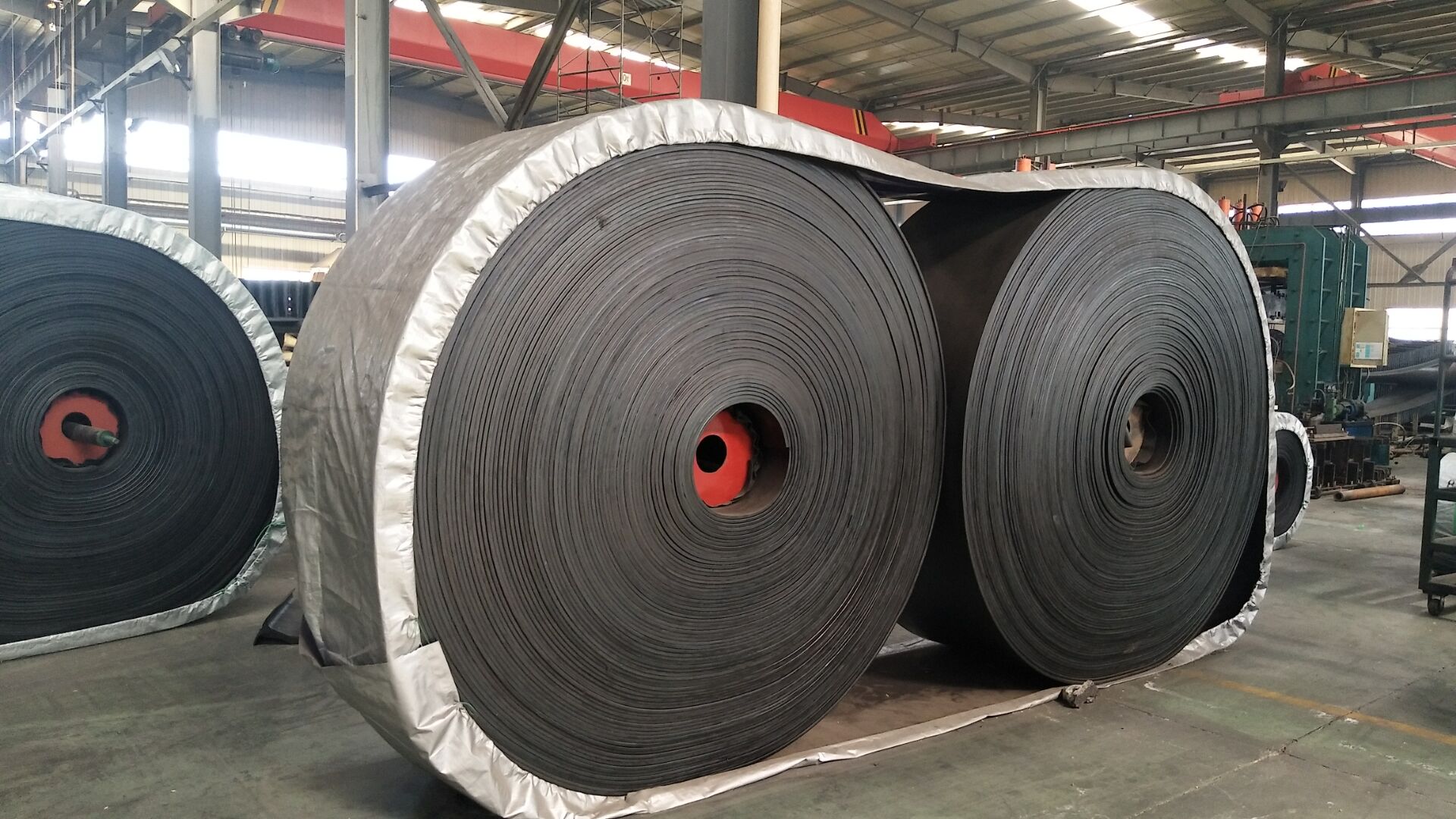
Evaluating abrasion resistance on a fresh sample tells only part of the story. A compound that looks durable on day one can lose a large share of its surface integrity once oxidation and chain scission have begun. Heat aging changes hardness, crosslink density, and the way filler particles stay bound to the matrix. When those shifts are ignored, the abrasion number becomes a laboratory artifact rather than a useful field prediction.
Combining the two tests in sequence exposes failures that separate specs miss. A material aged at temperature, then run through a wear cycle, often shows deeper material loss or localized pitting because the aged surface no longer absorbs and dissipates friction the same way. In some formulations, the opposite happens: aging drives off residual plasticizers or completes cure, and the surface temporarily becomes harder but also more brittle. That trade-off only becomes visible when the specimen is stressed after aging.
Reading the results together also helps prioritize formulation changes. If a compound loses most of its abrasion resistance after modest thermal exposure, adjusting the antioxidant package or filler surface treatment may matter more than switching to a harder base polymer. It forces the conversation away from single-point data and toward how the material degrades in the actual sequence it will see in service.
Why Splice Life Often Determines Total Belt Cost in High-Heat Lines
In high-heat conveyor lines, the belt itself rarely wears out before the splice gives way. When a splice fails, the entire circuit stops, and the cost of an emergency repair often dwarfs the price of the splice materials. Thermal cycling weakens the bond between plies, while hot material gradually bakes the adhesive, making the joint region more brittle than the rest of the belt. Because a single failed splice can force repeated unscheduled downtime, the total cost of ownership shifts rapidly from purchase price to splice reliability.
Many plants track belt cost per ton, and that figure tends to rise once splices begin to age unevenly. If a splice lasts only a few months in a high-temperature setting, crews may be forced to shorten the belt, cut out damaged sections, or install a new length far earlier than expected. Each intervention adds labor, lost production, and the risk of rushed work. A splice that holds up under heat, by contrast, allows the belt to stay in service long enough to spread its capital cost over substantially more tonnage.
The practical fix is rarely about buying a more expensive belt; it is usually about protecting the splice. Choosing heat-resistant covers, allowing proper vulcanization time, and monitoring joint condition during scheduled shutdowns can extend splice life enough to change the economics of the line. Once maintenance teams treat the splice as the critical lifespan limit, they can plan replacements around its condition rather than reacting to repeated failures at the worst possible moment.
Inspection Intervals That Catch Early Cover Cracking Before It Spreads
Calendar-based schedules rarely match the real pace of cover cracking. A hairline fracture can turn into a visible split after just a few thermal cycles or load shifts, so intervals need to be tied to the stress history of the component rather than a fixed date. When cracks are known to start around fasteners or corners, those areas deserve a shorter loop than the rest of the surface.
A practical way to set the window is to look back at past inspection photos and measurements. If the gap between a clean surface and the first visible crack was roughly four months in similar conditions, then a six-to-eight week interval leaves enough room to catch the next one before it deepens. Shortening the cycle after any sign of movement matters more than sticking to a plan.
During each pass, clean the suspect zone and use low-angle lighting or a simple dye penetrant to make faint marks easier to see. Record crack length and location rather than just noting no change. Once a crack grows past the pre-set limit, tighten the inspection frequency immediately and schedule a repair before it spreads into a full cover replacement.
Cleaning and Tracking Adjustments That Prevent Localized Heat Damage
Fine dust, resin residue, and small fiber particles rarely cause immediate failure, but they change how heat moves through critical areas. A coated lens or mirror absorbs more energy than it should, while blocked vents and dirty filters force hot air to recirculate instead of escaping. The result is not a uniform rise in temperature but a concentrated hotspot that weakens materials, warps thin components, or accelerates oxidation. Cleaning these surfaces on a fixed schedule, using the right wipes and solvents, keeps thermal transfer predictable and prevents small deposits from turning into a burn mark.
Tracking adjustments matter just as much as cleanliness. When a rail, belt, or linear guide drifts slightly out of spec, the moving heat source slows over certain spots or repeats a path with too much overlap. That dwell time deposits extra energy into one strip of material, creating a band of discoloration or a soft spot that later fails under load. Regular checks of belt tension, carriage alignment, and encoder feedback reveal these shifts before they become visible damage. In many cases, correcting a few tenths of a millimeter of drift restores even heat distribution.
The two practices work best together because contamination can disguise a tracking problem, and poor tracking can make a lightly soiled surface overheat faster. A maintenance log that records wipe-downs, filter changes, and measured offsets helps identify patterns before parts degrade. Handheld infrared thermometers or thermal indicator strips placed near suspect zones give early warning that a cleaning interval or alignment setting needs adjustment. This combined routine prevents localized heat damage more reliably than adding extra cooling fans or lowering overall operating speed alone.
Storing OEM Belts So They Do Not Lose Flexibility Before Installation
Rubber compounds in OEM belts are sensitive long before they ever meet a pulley, and how the belt is stored during that wait has a direct effect on whether it remains pliable enough to seat properly. The first rule is to keep the belt in its original sleeve or a sealed poly bag whenever possible. Direct sunlight, ozone from electric motors or battery chargers, and even fumes from welding equipment can dry out the surface and cause the belt to take a set before installation. A cool, dry space that stays between roughly 50°F and 80°F is ideal, while attics and uninsulated sheds tend to swing too far in temperature and quietly accelerate stiffening.
Positioning matters more than it seems. A belt stored under a stack of heavier parts or allowed to hang from a single nail can develop a memory kink that later shows up as a thump or vibration. If the belt must be hung, use a large-diameter peg or saddle that supports a broad curve instead of creating a tight fold. Flat storage in the original packaging is still the safer option, especially for longer belts that can distort under their own weight. Leave the packaging sealed until the belt is actually ready to go on.
Before installation, let a cold belt return to room temperature gradually instead of forcing it around pulleys while it is still stiff. Moving it into a warm but not hot area a few hours ahead of time allows the rubber to regain enough give to slide into the grooves without excessive strain. This is a small step, but it reduces the chance of cracking the sidewall or internal cords during those first revolutions and gives the belt a much better start once tension is applied.
FAQ
Look at the actual material temperature at the loading point and the time the belt remains in contact with it. A belt rated for 200°C continuous use may be enough for many clinker or foundry applications, while a 400°C rating is only needed for short exposure to glowing lumps. Overspecifying adds cost without necessarily extending service life.
EPDM-based covers generally resist hardening and cracking better than SBR compounds when temperatures stay high for long periods. For applications with abrasive hot fines, a compound with heat-resistant polymers and a higher abrasion index tends to last longer because it resists both thermal aging and surface wear.
Walk the return side and look for hairline cracks, blistering, or a glazed surface on the top cover. Press a thumb into the rubber in a cool area and compare it with a heat-exposed section; significant hardening means the cover is losing flexibility. Also watch for edge curling and localized soft spots near the loading zone.
When a heat resistant belt runs off-center, the edges can rub against steel structure and generate frictional heat. This adds to the thermal load the cover already carries and can cause premature edge cracking or delamination. Keeping idlers level and the belt centered helps the rubber dissipate heat evenly.
Stop feeding material before the belt stops so the belt empties completely. Let the belt run unloaded for a few minutes to cool gradually. Parking a loaded or hot belt in one position allows heat to soak into the carcass and can create a permanent deformation or localized cover damage.
Keep rolls upright in a cool, dry area away from direct sunlight and ozone sources like motors or welding equipment. If rolls must be stored flat, rotate them periodically to prevent flat spots. Avoid stacking heavy objects on the edges, since deformed edges can cause tracking problems once the belt runs hot.
On high temperature lines carrying fine or abrasive material, a hot vulcanized splice keeps the belt surface smoother and reduces the chance of material catching on fasteners. Mechanical splices can act as heat sinks and may loosen as the belt expands and contracts, so vulcanizing is usually preferred for long-term reliability under thermal cycling.
Remove carryback and material buildup from the belt surface and pulleys before it bakes on. Use belt scrapers set to the correct tension and clean idlers regularly, because caked material increases friction and local heating. A simple wash station or dry brushing at the right point can keep the cover from turning brittle too early.
Conclusion
Belt selection on hot lines rarely fails because a single specification was wrong. More often, the cover compound is picked from a data sheet that shows abrasion resistance and a maximum temperature rating without revealing how those properties interact. Heat-aged rubber can lose tensile strength and crack resistance long before it wears thin, so a cover that looks strong on a cold abrasion test may still fall apart early when it carries clinker, sinter, or foundry sand at sustained high temperature. Matching the carcass and cover to the actual material temperature—not the occasional peak reading—matters as much as tensile strength. A belt that runs continuously under a 150°C load behaves very differently from one that only brushes hot fines for a few seconds.
Maintenance decisions tend to hinge on splice condition because splice life usually drives total cost more than the purchase price of the belt. A blown splice stops the line just as effectively as a burned cover, and repeated repair work can erase whatever was saved by choosing a cheaper cover compound. Inspection intervals need to be short enough to catch early cover cracking, especially at edges and near loading zones where thermal shock is most aggressive. Tracking adjustments and cleaning routines matter because hot carryback trapped against the belt can create hardened, brittle spots that later tear. Storage before installation is often neglected, but cold storage or a tight coil can leave the belt stiff and prone to mistracking before it ever carries a load. Catching these issues early is far less disruptive than managing a burn-through or a failed splice after the fact.
Contact Us
Contact Person: Jayce
Email: [email protected]
Tel/WhatsApp: 8615318787602
Website: https://www.yuphengbelt.com/