
LLLT Laser Therapy in China: A Breakthrough for Pain Relief and Tissue Repair
2026-07-11
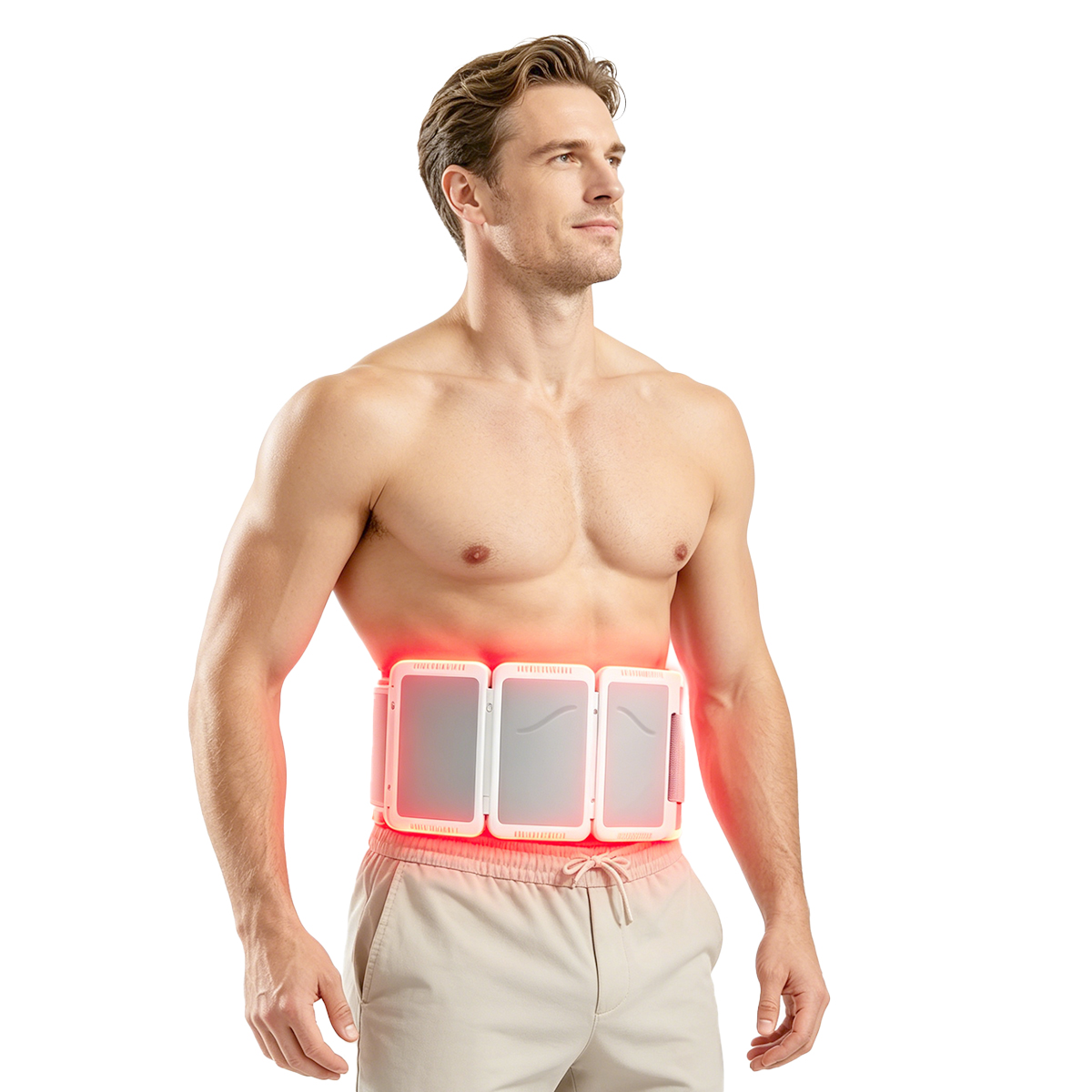
Chronic pain and slow-healing injuries affect millions worldwide, but a quiet revolution in China is rewriting the rules of recovery. Low-Level Laser Therapy (LLLT) has emerged as a non-invasive, drug-free solution that accelerates tissue repair and eases pain at the cellular level. At the forefront of this innovation is GUANG TAI, a brand that combines decades of expertise with cutting-edge Chinese manufacturing. As clinics and home users alike discover its benefits, one question lingers: could this light-based technology be the missing piece in your healing journey? In this post, we’ll explore how LLLT works, why China is leading the charge, and what makes GUANG TAI devices stand out in a crowded market.
How Lasers Quiet the Nervous System’s Cry for Help
The nervous system doesn’t whisper—it screams. When injury or disease strikes, nerves fire frantic, chaotic signals that the brain translates into relentless pain. Laser therapy steps into this electrical storm not by numbing the body, but by speaking the nervous system’s own language: light. Specific wavelengths penetrate tissue and are absorbed by mitochondria, the cellular power plants. This interaction flips a metabolic switch, prompting neurons to stabilize their erratic firing patterns and dial down the volume on pain signals. It’s less like a mute button and more like a gentle, cellular recalibration, nudging the system away from its distress call.
Beyond just hushing hyperactive nerves, laser light coaxes the body into releasing its own analgesic cocktail. The photons trigger a cascade that boosts endorphins and enkephalins—natural opioids far more elegant than any pill. At the same time, it pacifies inflammatory mediators like prostaglandins and cytokines that often amplify the nervous system’s cry for help. The result isn’t a forced silence but a harmonious dampening: swollen tissues relax, nociceptors lower their guard, and the brain receives a clearer, calmer message. This dual action on both the electrical and chemical fronts is what makes the quiet so profound.
Perhaps most striking is how lasers seem to teach the nervous system a new baseline. Repeated sessions can foster neuroplastic changes, retraining pain pathways that have become stuck in a loop of hypersensitivity. Chronic pain often rewires the brain and spinal cord so thoroughly that even normal touch feels threatening. By consistently reducing the input, laser therapy gives these maladapted circuits a chance to unlearn their hypervigilance. It’s a slow, patient dialogue—light coaxing the screaming nerves to remember silence, until one day the system simply forgets to cry out.
The Treatment China Can’t Stop Talking About
In bustling clinics across China, whispers of a treatment that blends ancient wisdom with modern curiosity fill the air. Acupuncture, once considered fringe outside the East, has sparked a nationwide conversation that refuses to quiet down. From white-collar workers seeking relief from screen-induced migraines to elderly patients managing chronic pain, it seems everyone has a story to share about the tiny needles. But what is it about this practice that keeps it at the center of dinner table debates and social media threads?
Part of the fascination lies in its stark contrast to Western medicine’s “quick fix” approach. While a pill might numb the pain, acupuncture promises to recalibrate the body’s energy flow, or qi. Critics dismiss it as pseudoscience, pointing to the elusive mechanisms behind meridian theory, yet proponents swear by its tangible results. In a country where tradition and innovation constantly collide, this tension fuels a relentless dialogue. Even state-run hospitals now house acupuncture departments, lending credibility to a practice that was nearly erased during the Cultural Revolution.
The treatment’s resurgence also mirrors China’s broader quest for cultural identity in a globalized world. Younger generations, often skeptical of blind tradition, are rediscovering acupuncture through a modern lens—endorsed by celebrities on Weibo and backed by a growing body of clinical studies. As the debate rages on, one thing is clear: in a nation with a 5,000-year medical heritage, this ancient therapy refuses to be silenced, and its needles continue to thread through conversations from Beijing to Guangzhou.
When Pills Fail: Light as the New Pain Messenger
Pain management has long been dominated by pharmaceuticals, but what happens when pills stop working or the side effects become unbearable? Millions of people find themselves trapped in a cycle of temporary relief and escalating doses, only to discover that the medications meant to help are now part of the problem. The search for an alternative has led researchers to an unexpected frontier—light itself. Not as a metaphor, but as a direct, biological language that our cells already understand.
Scientists are now exploring how specific wavelengths of light can silence pain signals before they reach the brain. This isn't about warm lamps or mood lighting; it's about precise, targeted optical stimulation that interacts with nerve cells in ways pills never could. Early studies reveal that light can modulate ion channels, quiet overactive neurons, and even prompt the body to release its own pain-relieving compounds. The most intriguing part? It does all this without flooding the entire system with chemicals, avoiding the haze and dependency that come with traditional drugs.
The idea that light could become a clinical messenger for pain relief pushes us to rethink treatment from the ground up. Instead of numbing the entire body, we could design therapies that speak directly to the source—like a whisper only the pain pathway can hear. While still in its early days, this approach could offer hope to those who’ve exhausted every pharmaceutical option, proving that sometimes the most powerful medicine doesn't come in a bottle at all.
Mending from Within: The Cellular Power of Photons
Photons don’t just light up your skin from the outside—they reach deep into the cellular machinery, sparking a quiet, internal restoration. Each photon carries a precise quantum of energy, and when absorbed by chromophores like cytochrome c oxidase in the mitochondria, it gently nudges electrons back into their proper orbits. This isn’t some mystical force; it’s physics doing what it does best: shifting molecules out of sluggish states and back into efficient, energy-producing modes. The result is a cellular environment that hums with renewed vitality, repairing damage from oxidative stress and everyday wear without any fanfare.
What’s remarkable is how the body already knows the language of light. Photons in the red and near-infrared spectrum slip past the skin’s surface scatter and find their way to fibroblasts—the cells that weave collagen and elastin. A gentle flood of these wavelengths seems to wake up dormant repair pathways, boosting ATP production and easing inflammation at its root. It’s not about forcing the cell to do anything unnatural; rather, it’s about removing energy bottlenecks that have formed over time. The cell isn’t being told to heal—it’s simply being given the resources to remember how.
Inside every tissue, there’s a rhythm of regeneration that can slow to a crawl under stress, aging, or illness. Photon therapy steps into this gap not as a commander but as a facilitator, coaxing stem cells out of their quiescent state and signaling immune cells to dial down excessive responses. A single treatment often leaves no trace beyond a subtle shift—less redness, a smoother texture, a faster recovery from an injury that would normally linger. Over time, these small adjustments accumulate, because the power of photons isn’t in a dramatic takeover but in the persistent, gentle reminder they give our cells to keep mending from within.
A Surgeon’s Unexpected Ally in Healing
In the quiet hours after a long surgery, when the sterile scent of the OR still clings to my scrubs, I often find clarity not in medical journals but in the simple act of sketching. My pen traces the contours of a patient’s anatomy—not as a diagnostic tool, but as a way to untangle the knots the case has left in my mind. It was a habit I picked up during residency, a quiet rebellion against the relentless pace, and it’s become the most honest part of my practice. No algorithm or textbook ever taught me how to hold a life in my hands and still sleep at night; art did.
There’s a rhythm to healing that mirrors the creative process—both demand patience, a tolerance for uncertainty, and the humility to start over when a line goes astray. I’ll never forget the night I sat with a watercolor palette, trying to capture the fragile hope in a mother’s eyes after we stabilized her child. That painting, clumsy as it was, reminded me why I chose this path: not for the precision of the scalpel, but for the human messiness it navigates. My colleagues might call it a hobby, but for me, it’s a lifeline that keeps my empathy from calcifying.
Patients often sense when a doctor sees them as more than a case file, and I suspect my off-duty doodles have rewired how I show up in the room. During a recent consult, I found myself explaining a complex reconstruction using a quick sketch on a napkin—the patient’s tension softened, and suddenly we were collaborators, not just clinician and subject. This unexpected ally doesn’t replace science; it layers on a tenderness that protocols can’t prescribe, stitching together what the textbooks leave frayed.
Real Relief, Not Just a Temporary Fix
We've all been there—slathering on a cream or popping a pill, only to feel the discomfort creep back hours later. Temporary solutions have their place, but they rarely address what's actually causing the pain. Real relief means getting to the root of the issue, whether it's inflammation, muscle tension, or nerve sensitivity. That’s why we focus on ingredients and techniques that support your body's natural ability to heal, rather than just masking symptoms.
Instead of chasing quick fixes, imagine a formula that works with your physiology over time. Our approach combines potent botanicals with targeted delivery methods to soothe deeply and promote lasting comfort. The goal isn’t just a fleeting reprieve—it’s helping you move through your day with genuine ease, so you’re not constantly counting down until the next dose.
FAQ
Low-level laser therapy, or LLLT, uses specific wavelengths of light to interact with tissue. It’s thought to accelerate healing by stimulating cellular activity, reducing oxidative stress, and improving blood flow. Basically, it kickstarts the body’s own repair mechanisms without generating heat or damage.
In China, LLLT has gained attention because it offers a non-invasive option with minimal side effects for chronic conditions like arthritis and back pain. Clinical acceptance grew rapidly due to strong integration with traditional Chinese medical practices and a push for drug-free alternatives, making it a standout method in modern pain clinics.
It’s widely used for soft tissue injuries, including ligament sprains, muscle tears, and tendonitis. Wound healing, post-surgical recovery, and even nerve regeneration are areas where LLLT shows promise. In dermatology, it’s being explored for scar reduction and skin rejuvenation.
Not at all. Sessions typically last between 5 and 20 minutes depending on the area, and most patients feel nothing more than a gentle warmth. It’s often described as relaxing, and there’s no downtime, so you can go straight back to daily activities.
Chinese practitioners often combine LLLT with acupuncture points or meridian pathways, blending laser technology with traditional healing philosophies. Protocols are sometimes more intensive, with higher-frequency sessions, and there’s a strong emphasis on preventative care rather than just symptom relief.
Multiple clinical trials and meta-analyses have shown statistically significant pain reduction for conditions like knee osteoarthritis and chronic neck pain. Research highlights anti-inflammatory effects and endorphin release, though some studies call for more standardized dosing to maximize outcomes.
Serious side effects are rare when used correctly. Temporary skin redness or mild tingling can occur, but it’s generally considered very safe. The low power output means there’s no risk of burns or tissue damage, which is why it’s approved for sensitive areas.
It’s best viewed as a complementary tool, not a total replacement. For many, it reduces reliance on painkillers and may delay or avoid surgery, especially when combined with physical therapy. However, severe structural issues still require surgical evaluation, so it’s part of a broader treatment plan.
Conclusion
Low-level laser therapy (LLLT) is reshaping pain management and tissue repair in China, emerging as a transformative force when conventional medications fall short. By delivering specific wavelengths of light deep into tissue, lasers gently quiet the nervous system’s distress signals, effectively dialing down the body's cry for help without the side effects of pharmaceuticals. This light-based approach has ignited widespread discussion across China, with patients and clinicians alike embracing it as a novel pain messenger that bypasses drug pathways and directly modulates nerve signals. The result is a non-invasive solution that addresses the root of discomfort rather than merely masking it.
Beyond neural calm, LLLT powers cellular repair from within—photons stimulate mitochondria, accelerating ATP production and triggering regeneration at the most fundamental level. Surgeons have found an unexpected ally in this technology, using it to enhance post-operative healing and reduce scar formation, effectively mending tissue with light. Unlike temporary fixes that wear off, LLLT offers enduring relief by fostering the body's own restorative processes. This fusion of ancient healing concepts with modern photonics is redefining what’s possible in pain relief and recovery, making LLLT a topic of sustained excitement and real-world results throughout China.
Contact Us
Contact Person: Leon Yi
Email: [email protected]
Tel/WhatsApp: +86 17363316873
Website: https://zzgt.en.alibaba.com/