

Laser Hair Growth Helmet: How to Choose the Perfect One for Thicker Hair
2026-07-08
Are you dreaming of thicker, fuller hair without invasive treatments? The latest low-level laser therapy (LLLT) helmets are transforming at-home hair regrowth, and GUANG TAI is leading the charge with advanced, FDA-cleared designs. But with so many options boasting different diode counts and wavelengths, how do you pick the one that actually delivers results? In this guide, we'll cut through the hype and give you the honest, no-fluff criteria to choose the perfect laser hair growth helmet for your needs—so you can stop wasting money on gimmicks and start seeing real, thicker hair.
Why 650nm Wavelengths Matter More Than You Think
The 650nm wavelength sits in a sweet spot of the visible spectrum—perceived as a deep, rich red but carrying properties that extend far beyond mere colour. Unlike shorter wavelengths, 650nm light penetrates biological tissues more effectively, making it uniquely suited for therapeutic uses without generating excessive heat. This ability to reach deeper layers sparks a cascade of cellular responses that longer or shorter wavelengths simply cannot match, which is precisely why it has captured the attention of researchers and wellness enthusiasts alike.
What truly sets 650nm apart is its knack for revitalising mitochondrial function. When this specific wavelength interacts with cytochrome c oxidase, a key enzyme in the electron transport chain, it helps optimise ATP production—the energy currency of your cells. This isn't just about feeling more awake; it's about giving your body the resources to repair, regenerate, and perform at a level that often goes unnoticed until you experience the difference yourself. The effect is subtle at first, then remarkably tangible.
Most people overlook the importance of wavelength specificity, assuming any red light will do the job. But 650nm operates in a narrow band where photon absorption peaks for certain chromophores, meaning you get maximum biological impact with minimal energy input. Whether you’re aiming to support skin health, speed up recovery, or simply feel more vibrant, ignoring this wavelength might mean leaving real benefits on the table—benefits that are scientifically grounded yet surprisingly accessible.
Medical-Grade vs. 'Laser' Helmets: Spotting the Difference
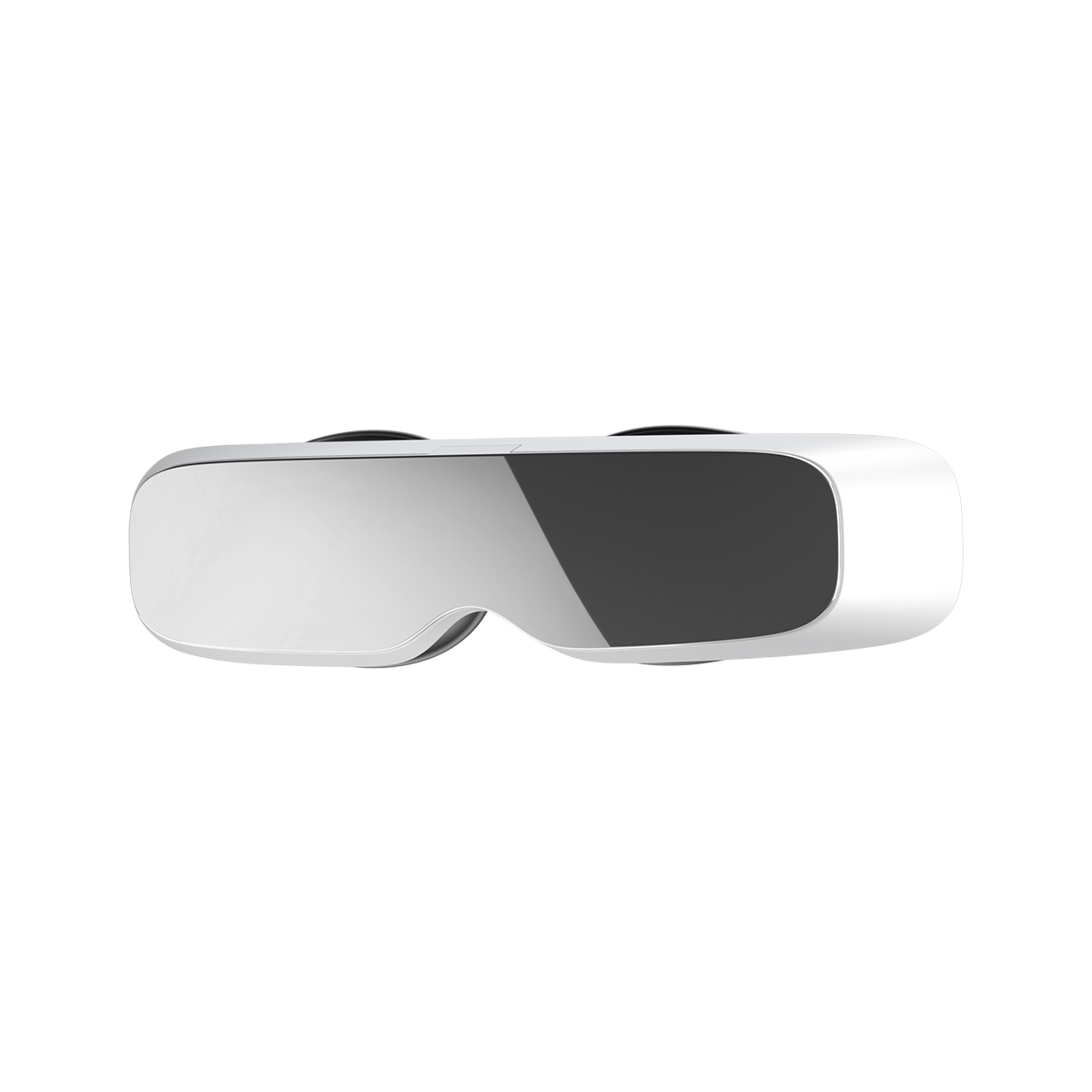
When browsing hair growth helmets, you'll quickly run into two categories: devices labeled as medical-grade and those simply marketed as "laser" helmets. The distinction isn't just branding—it hits at the core of safety, efficacy, and regulatory oversight. Medical-grade helmets, like those cleared by the FDA, undergo rigorous clinical testing to prove they actually stimulate follicles and improve hair density. Their laser diodes are calibrated to specific wavelengths and energy outputs that penetrate the scalp at therapeutic levels without damaging tissue. In contrast, many "laser" helmets rely on cheaper LEDs or lower-powered lasers that may look similar but lack the proven dosage to trigger meaningful biological change.
Another telltale sign lies in the construction. Medical-grade devices often feature a higher diode count arranged in a geometry that ensures consistent coverage across the entire scalp—something that really matters if you're dealing with diffuse thinning. You'll also notice they tend to be built with medical-grade silicone or hypoallergenic materials, and they incorporate safety mechanisms like automatic shut-off and skin contact sensors. Many consumer "laser" helmets skimp on these details, which can lead to hot spots, uneven treatment, and a higher risk of scalp irritation. The gap becomes obvious when you compare the discomfort of a hard plastic dome to the pliable fit of a medical device designed for everyday wear.
Finally, look at the supporting data. A genuine medical-grade system will be backed by published clinical studies, often with before-and-after photos and measured increases in terminal hair count. The company should be transparent about exactly which type of laser or LED they use, and the energy density delivered per session. If a product dances around those numbers with buzzwords like "proven technology" but offers no peer-reviewed evidence, it's likely leaning on marketing hype. In a crowded market, that scrutiny matters—because your time and money are better invested in a device that actually moves the needle rather than one that just shines red light on your head.
How a Comfortable Fit Can Make or Break Your Routine
Comfort isn’t just a luxury—it’s the silent foundation that keeps a routine sustainable. When your clothes pinch or shoes dig in, your focus splinters. Instead of being in the moment, whether during a workout or a work call, part of your brain is constantly registering that discomfort. That low-grade irritation adds up, draining mental energy and making it far harder to stay consistent. Switching to pieces that move with your body eliminates that friction, so your attention stays where it belongs.
The right fit also shapes confidence in subtle but powerful ways. Something as simple as a waistband that doesn’t roll or a sleeve length that flatters rather than restricts can shift your posture and mindset. When you’re not tugging or adjusting, you project a poised, at-ease presence, which influences how others perceive you and how you perceive yourself. It’s a quiet confidence boost that encourages you to show up and engage fully.
Over time, these small comfort upgrades become non-negotiable. We often overestimate willpower and underestimate environment. If a piece of clothing makes you dread a part of your day, you’ll find excuses to skip it. But when your gear supports you, the routine feels effortless. That’s the real secret: a comfortable fit doesn’t just make an activity easier—it makes it something you want to return to, turning a fragile habit into a solid ritual.
The Evidence Behind Laser Therapy: Sorting Facts from Fiction
Walk into any wellness clinic or scroll through social media, and you’ll find laser therapy pitched as a cure-all—from chronic pain to hair regrowth, even weight loss. The science, though, paints a much narrower picture. Low-level laser therapy (LLLT), also called photobiomodulation, uses red or near-infrared light to trigger cellular changes. When it comes to reducing inflammation and easing certain types of musculoskeletal pain, the evidence is cautiously optimistic. A 2021 meta-analysis pooled data from over a thousand patients and found that LLLT significantly lowered pain scores for conditions like knee osteoarthritis and chronic neck pain, often without the side effects tied to long-term medication use. But here’s the catch: the benefit is modest, and it appears to depend heavily on getting the dosage, wavelength, and treatment schedule exactly right—details many celebrity-endorsed devices gloss over.
Beyond pain management, the waters get murkier. Laser therapy is often marketed for wound healing, yet rigorous clinical trials show mixed results. For diabetic ulcers, some studies report faster closure, while others see no difference from a placebo. The same inconsistency plagues claims about fat reduction, smoking cessation, or “detoxifying” the body—areas where marketing has outraced data. What’s often left unsaid is that the placebo effect can be powerful in pain conditions, and without proper blinding, early positive findings can crumble. That’s why the broader medical community remains split: laser therapy is a useful tool in a physiotherapist’s kit, not a standalone miracle. Before you spend hundreds on a gadget, look for reviews by independent researchers, not influencers, and ask whether the specific device has FDA clearance or CE marking—often a telltale sign that at least basic safety and performance standards have been met.
Budget to Luxury: What You Actually Get at Each Price Point
The moment you decide to spend a little more, everything shifts—subtly at first, then unmistakably. Budget options cover the basics, sometimes surprisingly well, but corners are cut where you wouldn't want them to be: thinner materials, rougher finishes, and a nagging sense that things might not hold up. As you move through mid-range, those edges soften. You get better build, more refined details, and a feeling that someone actually thought about how this fits into your life, not just how to get it out the door.
Step into the luxury tier and the differences become almost philosophical. It's not just about quality anymore; it's about experience. The seams on a leather bag feel like they were stitched by hands that cared (often, they were). A hotel stay isn't merely a bed—it's a choreographed welcome, a scent in the lobby you can't quite place but instantly love, and staff who seem to remember how you like your coffee. In between, the premium bracket offers a taste of that without the full plunge: often the sweet spot where you're paying for genuine gains, not just a name.
Yet, there's a truth no price tag reveals: value is deeply personal. Budget isn't synonymous with bad, just as luxury isn't a guarantee of perfection. Sometimes, a cheap no-name gadget outperforms its pedigree rivals in the one feature you actually care about. The real skill lies in knowing what you value, then finding the point on the scale where money stops buying meaningful improvement and starts funding a logo.
Using Your Helmet Right: Timing, Consistency, and Common Pitfalls
Many riders slip on a helmet without giving much thought to how it sits. The timing matters: put it on before you even touch the bike, and let it become a non‑negotiable part of your pre‑ride ritual. That way, it's always there when you need it, not hanging from a handlebar while you go around the block 'just once.'
Consistency is where habits are forged. Wear it for every single ride, whether that's a 10‑hour epic or a 5‑minute jaunt to the corner store. The risk doesn't care about distance, and your brain won't learn to protect itself only on special occasions. If you treat it like a seatbelt—automatic and unquestioned—it stops feeling like a chore.
Watch out for the subtle mistakes that creep in over time. Straps left loose, helmets tilted back to expose the forehead, or a fit that's too tight and gets 'adjusted' mid‑ride—these small lapses undo a helmet's effectiveness. Even an expensive lid can't compensate if it's not snug against your head, so pause now and then to check the fit before it becomes second nature to ignore.
FAQ
It uses low-level laser therapy to stimulate hair follicles, increasing blood flow and cellular activity in the scalp, which can help regrow and thicken hair over time.
These devices are most effective for androgenetic alopecia, or pattern baldness, in both men and women. If your hair loss is due to other causes like medical conditions or medications, results may vary.
Focus on the number of lasers versus LEDs, wavelength range (around 650-670 nm is ideal), treatment time, comfort, and fit. FDA clearance is also a must for safety and efficacy.
At-home helmets offer convenience and long-term savings, but clinical devices are more powerful. For most, a quality home helmet with consistent use can deliver noticeable results without frequent visits.
Typical protocols are 15-30 minutes every other day. Noticeable changes usually take 4 to 6 months, with full benefits after a year of consistent use.
Yes, combining treatments often enhances results. Just apply topicals first and let them dry before wearing the helmet to avoid interference or mess.
Side effects are rare, but some may experience temporary shedding initially. Avoid if you have photosensitivity conditions or are on medications that increase light sensitivity.
Wipe the interior with a soft, slightly damp cloth after each use; avoid harsh chemicals. Store in a cool, dry place and check manufacturer guidelines for battery care if cordless.
Conclusion
Finding a laser hair growth helmet that actually delivers thicker hair means looking past flashy marketing and focusing on what truly drives results. The wavelength is a non‑negotiable starting point—650nm is the sweet spot because it penetrates the scalp at the ideal depth to energize dormant follicles without overheating tissue. Many cheap devices claim “laser” but use basic LEDs that scatter light superficially; a genuine medical‑grade helmet packs enough power density and precise diode placement to match the protocols used in clinical studies. And don’t underestimate fit: a heavy, ill‑fitting helmet will end up gathering dust no matter how advanced its technology is. If you have to adjust it constantly or it gives you a headache after ten minutes, you won’t stick with the routine long enough to see any regrowth.
The science behind low‑level laser therapy is solid, but it’s easy to get swept up by overblown claims or cherry‑picked data. Look for helmets backed by independent, peer‑reviewed research rather than in‑house “trials.” When you set a budget, know that entry‑level units often compromise on diode count and coverage, mid‑range models usually balance performance and comfort, and premium options add extras like cooling systems or smart sensors—yet none of that replaces consistency. Even the best helmet won’t help if you misuse it: sticking to the manufacturer’s recommended duration (typically 20–30 minutes every other day) and giving your scalp time to absorb the light without overlapping sessions too often is critical. Spacing out treatments, keeping the contact sensors clean, and avoiding the temptation to overdo it all make the difference between a frustrating experience and a head of visibly denser hair.
Contact Us
Contact Person: Leon Yi
Email: [email protected]
Tel/WhatsApp: +86 17363316873
Website: https://zzgt.en.alibaba.com/