

Electric Valve Factory Essentials for Reliable Flow Control Systems
2026-11-16
Most flow control failures don't start in the field. They start on the factory floor, where tolerances, material choices, and assembly habits quietly decide whether an electric valve will hold up under pressure or drift out of spec within months. At UPTAI, we've learned that building reliable flow control systems isn't about adding more features; it's about removing guesswork from the manufacturing process. This post unpacks what actually matters inside an electric valve factory, from testing rigs and sealing standards to the quality checks that separate dependable performance from costly downtime. If you've ever wondered why two valves with similar specs behave differently, the answer is usually hidden in how they're built.
Torque Consistency Is Decided in the Machining Bay Before the Motor Is Mounted
Torque consistency rarely shows up as a single defective part at the end of the line. It starts as accumulated error in the machining bay, where bearing seats, spigot diameters, and mounting faces are cut. A few microns of ovality in a rotor journal or a slight mismatch between the end bell register and the bearing bore changes how the rotating assembly seats. Those deviations alter air gap symmetry and bearing preload, and by the time the motor is mounted, torque variation is already locked into the stack.
The biggest gains come from eliminating datum shifts between operations. When the frame bore, end bell spigot, and flange face are finished in one clamping, runout and perpendicularity errors shrink in ways that post-machining inspection seldom captures. Tool pressure, thermal drift, and clamping force all leave a signature on the part. A motor build cannot compensate for a bore that was cut slightly tapered or a register that drifted off center; the fasteners just pull the mismatch into the bearings.
That is why the machining bay needs to be read as an early indicator. Instead of waiting for torque audits on finished motors, tracking bore geometry, journal roundness, and face flatness with ongoing capability data catches the drift before it reaches assembly. When those features stay stable, torque consistency becomes a property of the process rather than a sorting exercise at the test stand.
Seal Materials That Survive Temperature Swings Without Losing Their Grip
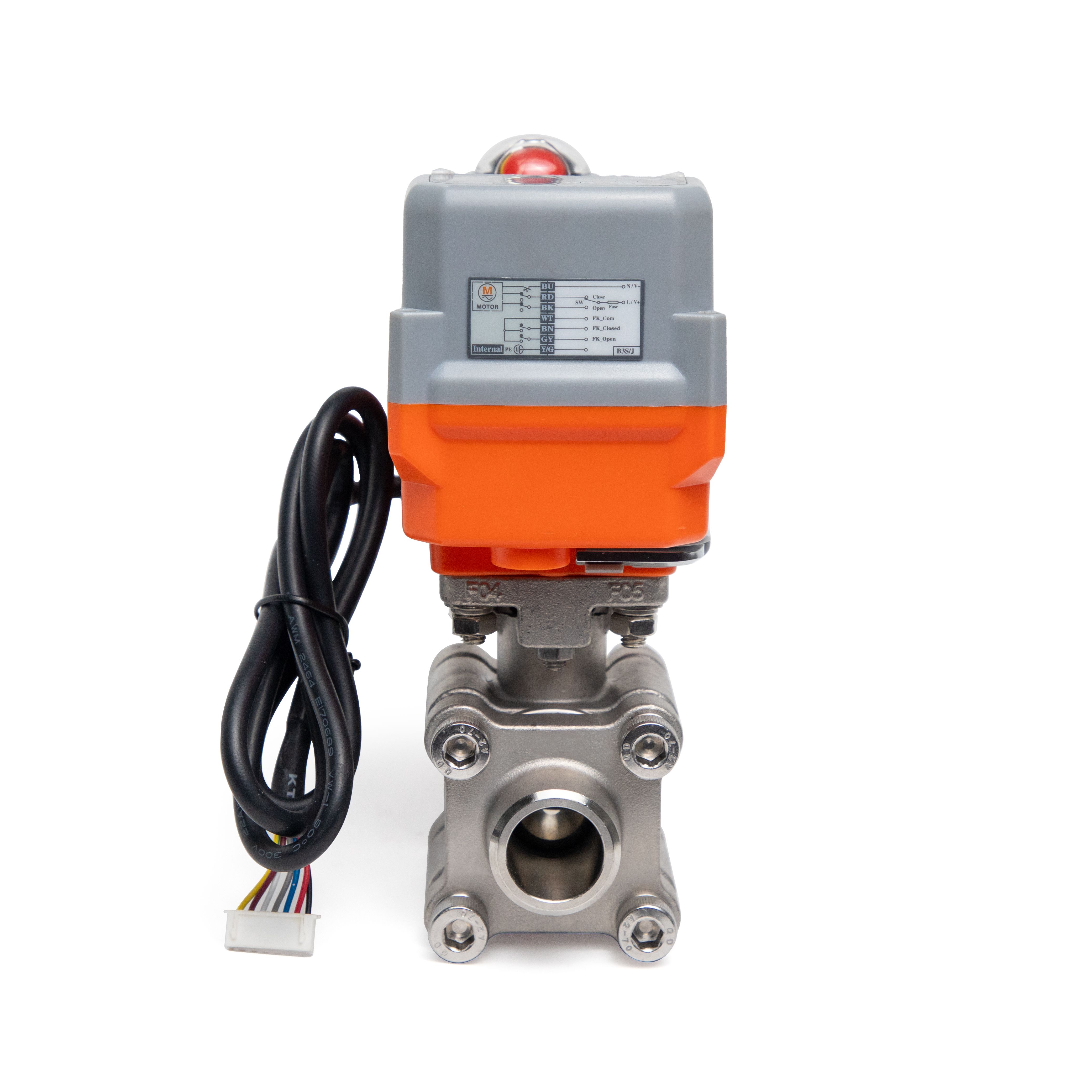
Temperature swings punish seals in ways that steady heat never does. A compound that stays pliable at room temperature can turn brittle after a cold soak, then relax and leak once the system warms again. Silicone and fluorocarbon elastomers earn their place here because they keep a usable compression set across a wide band, but the real difference often comes from the cure system and filler blend that allow the seal to recover after repeated thermal cycling.
PTFE and flexible graphite take another path. They do not depend on elasticity to stay seated. They creep just enough under load to keep contact with the flange face or shaft, which makes them forgiving when temperatures seesaw. That slow, controlled movement holds the line even as metal parts expand and contract around the seal.
For aggressive cycling, reinforced perfluoroelastomers and metal-jacketed designs are the stronger choice. They resist hardening after repeated exposure to steam, chemicals, and deep chill, and they are less likely to take a permanent set. Matching the seal to the full temperature range, not just the highest number, is what prevents a firm grip from slowly turning into a weeping joint.
Calibration Habits That Keep Flow Predictable Long After Installation
Most teams treat calibration as a one-time chore before go-live, but flow meters drift in ways that only become obvious when batch records stop matching expectations. The installers who get reliable readings years later are the ones who built small, repeatable checks into routine operations. They log the same reference condition weekly, compare the trend against the original bench data, and act on tiny shifts before they turn into rejected cycles.
A practical habit is to pair every maintenance window with a normalized verification point: run a known volume, note the live deviation, and store it with ambient temperature and line pressure. Over time this creates a baseline that reflects the actual process, not the factory ideal. It also makes troubleshooting faster because you can see whether a drift pattern started after a specific part swap, software update, or seasonal temperature swing.
Predictability comes less from the meter itself and more from the discipline around it. Operators who photograph the display during standard runs, keep handwritten notes near the skid, and flag any shift above half a percent tend to catch issues like coating buildup or sensor fatigue early. Those small habits cost minutes per week and prevent the kind of surprises that force an emergency recalibration or a full production hold.
The Slow Pressure Test That Catches Failures a Quick Check Misses
Most quick checks look for obvious drops on a gauge, but they never give a seal enough time to creep. A slow pressure test holds the system at a modest load and lets temperature, gasket seating, and tiny leak paths settle in. That extra dwell is what turns a barely weeping fitting into a visible pressure loss.
Fast passes often mask problems because the fluid or gas hasn't migrated far enough to find the weak point. With a slower ramp and a longer hold, a hairline crack in a valve body or a poorly seated O-ring has time to open and leak. The reading falls gradually, and that small downward trend is easy to dismiss if you're only watching for a sudden drop.
The real value shows up in repair work or commissioning, where a quick check gives everyone false confidence. Slowing things down costs extra minutes, but it catches the fittings that only weep after the metal expands, the gaskets that relax, and the connections that need another eighth of a turn.
Factory Floor Choices That Keep Contamination Away From Sealing Surfaces
Most sealing surface contamination does not start with a bad cleaning procedure; it starts with how a part is set down before assembly. Keep machined faces pointed away from open air, and use dedicated trays or edge protectors instead of placing flanges directly on workbenches where dust and metal fines settle. Handling matters just as much: gloves that have touched oily fittings or dirty tooling will transfer residue straight onto a seal groove, so change them or use a clean cloth when gripping near the sealing area.
Air movement on the floor is easy to ignore because it is invisible, but grinding, welding, and even routine housekeeping can push fine particles toward a clean assembly area. A practical fix is to put distance or a physical barrier between dirty operations and sealing surface prep, and to keep the clean side under slight positive pressure when possible. Also avoid using shop air to blow off flanges or seal pockets; the jet tends to drive loose grit deeper into corners instead of removing it.
Small storage and tool habits do a lot of the quiet work. Keep seals in closed bags or bins until the moment they are installed, use lint-free wipes rather than shop rags on the mating faces, and inspect the groove by touch and light before dropping the seal in. A short checklist at the bench can help, but the underlying rule is simpler: anything that touches the sealing surfaces should be as clean as the part you want to install.
Final Inspection Details That Reveal Whether an Electric Valve Deserves Its Spec Sheet
A spec sheet can list IP68, a 30-second stroke, and a 100% duty cycle without ever proving any of it. During final inspection, the first thing worth checking is whether the nameplate matches the actual build, not just the marketing copy. Open the terminal housing and look at the seal, the wire routing, and the hardware. If the enclosure rating is ambitious but the lid gasket is thin, uneven, or lightly greased, that gap tells you more than the test certificate.
Run the valve under load, not on a bench with no differential pressure. Watch the current draw through the last fifteen percent of travel and compare it with the stated torque margin. A valve that routinely approaches its limit at ambient temperature will only get tighter once the medium is hot, dirty, or scaling. Check whether the limit switches trip at the same position in both directions and whether the handwheel declutch actually rests cleanly instead of grinding against the stem.
Pull one unit from the batch and look past the exterior. The finish inside the body bore, the uniformity of the seat contact line, and the amount of grease packed around the stem bearing usually indicate how carefully the rest of the valve was assembled. If the paint is thick over sharp edges but the flange faces show chatter marks, the cosmetics are doing their job. Final inspection should confirm that the valve can hold back pressure without a tightening nudge and that the actuator does not hunt or hum after reaching position.
FAQ
The interaction between the valve's dead time and the controller tuning. A fast electric actuator can still cause instability if the positioner's response curve is not matched to the loop dynamics. Factories that characterize each unit under load rather than on a bare bench give you data that prevents hunting and overshoot in the field.
Ask for a blocked-seat cycle test with particulate slurry or a saturated brine equivalent, not just clean water. The stem seal and thrust path should be designed so debris is wiped away from the sealing area on every stroke. A robust design usually includes a blowout-proof stem, a scraper ring ahead of the primary packing, and a torque margin that is at least thirty percent above the worst-case breakout figure.
The weak points are usually the drive train and the final limit setting, not the motor itself. A durable unit uses a direct-drive or self-locking gear arrangement with minimal backlash, and it stops on torque rather than relying only on position switches. That matters because the valve can reseat fully as seals wear, instead of stopping just short and leaking.
Pressure testing only catches gross leaks at one moment. Thermal cycling forces the body, seat, and packing to expand and contract at different rates, which reveals micro-leakage, stem binding, and loosening of the bonnet joint. A factory that runs repeated hot-cold cycles while stroking the valve under differential pressure will find failure modes that a static hydro test cannot.
Continuous modulation generates far more heat than simple open-close duty. The key number is not just starts per hour, but the allowable sustained current draw at high ambient temperature. If the actuator is oversized for the load and has continuous-rated electronics, it will survive near-constant small corrections without dropping into thermal protect mode.
By supplying clear torque curves, wiring schematics, and commissioning checklists that match the serial number of the valve. The best factories also provide a documented stroke-time test under the actual voltage range, not just a nominal value. This lets the site team confirm that the valve will open or close within the required time even during a brownout or voltage sag.
A gradual increase in running current for the same travel, a shift in full-stroke timing, or the need to reset the travel limits more than once a year. These indicate internal friction growth, seal swelling, or gear wear. A well-built valve will have a trendable current signature that makes this visible long before a hard fault occurs.
Conclusion
Reliable electric valve performance is shaped long before the actuator is fitted. Torque consistency comes from the machining bay, where stem straightness, thread finish, and bearing alignment are held tightly enough that the motor never has to fight uneven resistance. Once those mechanical basics are right, seal selection becomes the next weak point. Materials have to stay flexible through cold starts and hold their geometry during heat cycles without taking a set or losing contact pressure at the seat. Factory floor discipline matters just as much as the parts themselves. Keeping grinding dust, metal chips, and assembly lubricants away from lapped sealing faces prevents early leak paths that even a good seal cannot fix.
After assembly, calibration habits determine whether the valve keeps behaving years later. Setting limit switches and torque cutoffs under realistic load conditions, not on a bare bench, gives the controls a true picture of travel and seating force. It is also worth slowing down the pressure test. A patient ramp-and-hold sequence lets seals settle and reveals micro-leakage that a quick bubble check will miss. At final inspection, the useful details are often unglamorous. Matching serial numbers, recorded torque values, seat leakage under actual differential pressure, insulation resistance, and clean gland adjustment carry more weight than a polished nameplate. A spec sheet only means something when those measurements are recorded, not assumed.
Contact Us
Contact Person: Adonis
Email: [email protected]
Tel/WhatsApp: 8615858822657
Website: https://www.uptaivalve.com