

Electric Heating Reactor Import: Key Factors for Successful Procurement
2026-06-27
Embarking on the import of electric heating reactors? The process can be a maze of specifications, compliance, and supplier vetting. Yet, one wrong turn can lead to costly delays or subpar equipment. Whether you're scaling up production or upgrading your lab, understanding the key procurement factors is non-negotiable. This is where expertise matters—Shenzhou Chemical Industry has long been a trusted guide, helping businesses navigate these waters with confidence. In this post, we'll unpack the essentials, from material selection to after-sales support, so you can make an informed, risk-free decision. Dive in to discover what sets a successful purchase apart.
Why Process Requirements Should Drive Your Reactor Specs
Process requirements are the true foundation of any reactor specification, yet they are often treated as an afterthought. When you let the desired chemical transformation dictate the design, you avoid the pitfalls of over-engineering or, worse, building a system that can't meet production targets. It’s not about starting with a standard vessel and making concessions; it’s about molding the reactor around factors like reaction kinetics, heat transfer demands, and mixing intensity. For instance, a highly exothermic reaction doesn't just need a jacket—it needs a precisely calculated cooling strategy that emerges directly from the process data. Ignoring these needs leads to hot spots, runaway reactions, or spec revisions that inflate costs and timelines.
Shifting the focus toward process requirements also unlocks scalability. A reactor sized from lab data without genuine process insight might work at bench scale but crumble under production volumes. Real process requirements force you to confront questions early: How will phase behavior change at larger diameters? Will the mixing regime hold when the tank geometry shifts? These aren't theoretical exercises; they prevent the all-too-common scenario where a pilot plant system must be heavily modified—or replaced—because someone assumed scalability would take care of itself. By anchoring specs to the process, you build in flexibility and avoid costly “fix it later” patches.
Beyond technical performance, letting process requirements lead often uncovers simpler solutions. A specification derived from first principles might reveal that a continuous stirred tank reactor is overkill when a loop reactor with static mixers does the job with better heat control and lower energy input. This kind of insight doesn’t come from blindly copying previous specs or industry defaults. It comes from a disciplined analysis of what the process actually demands: residence time distribution, selectivity profiles, phase contact efficiency. When these parameters shape the reactor from the ground up, the result is often a leaner, more robust system that performs exactly as intended—without unnecessary complexity hiding in the margins.
Vetting Suppliers Beyond the Paper Trail
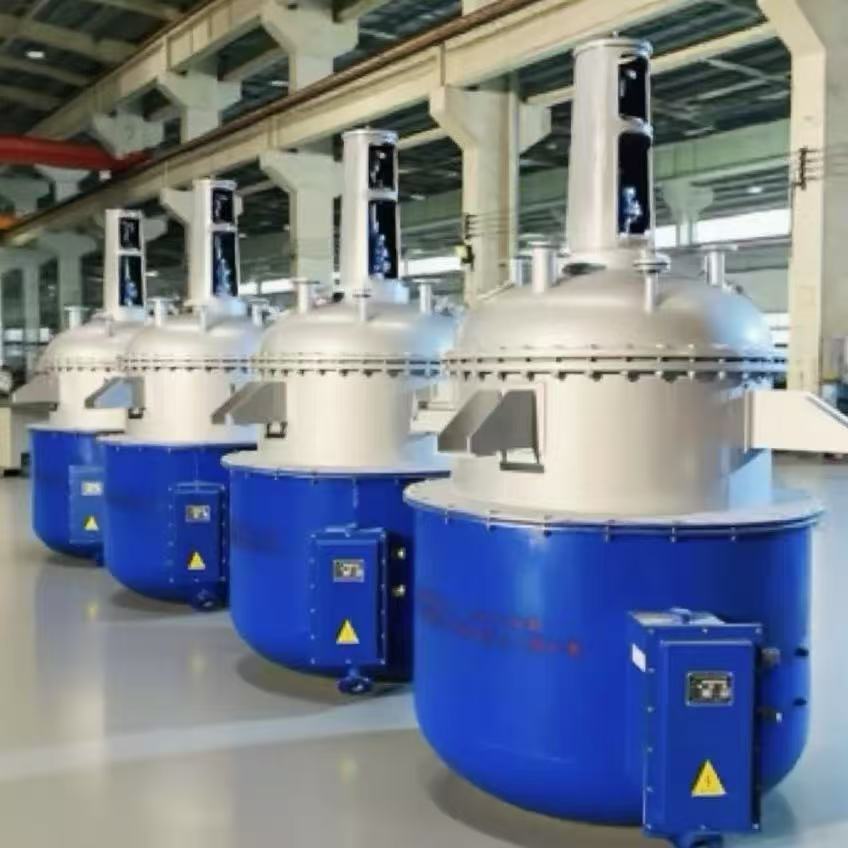
Examining a supplier's documentation is only the starting point. Certificates, audit reports, and compliance records can look pristine while concealing real operational shortcomings. To truly understand a partner's capabilities, you have to step onto the production floor, observe how materials move through the line, and watch how quality issues are handled in real time. Floor-level insights often contradict what polished paperwork suggests.
Speak with machine operators, not just the management team. Notice whether tooling is well maintained or if safety protocols are consistently followed. Raw material storage conditions, worker morale, and even the organization of warehouse shelves tell a deeper story about reliability. These unscripted observations help you spot risks that a paper-based review would never expose, allowing you to build a supply chain grounded in trust and evidence rather than assumptions.
The Hidden Costs of Non-Compliance in Electric Heating Reactors
When an electric heating reactor operates outside regulatory standards, the immediate risks are rarely the full story. Beyond the obvious fines or shutdown orders, there are subtler drains on resources that accumulate over time. Equipment run at improper temperatures or with unapproved modifications may still produce, but the thermal stress accelerates wear on heating elements and vessel linings. This leads to more frequent maintenance cycles, unplanned downtime, and a creeping rise in spare part inventories—all quietly eroding the budget that compliance was meant to protect.
Non-compliance also reshapes your relationship with insurers and partners. An incident, even a minor one, can trigger a review that exposes gaps in documentation or testing. Premiums climb, or coverage narrows, leaving you to shoulder risks that were once shared. In parallel, skilled operators become harder to retain when they sense that safety is treated as a paperwork formality. Their departure carries process knowledge out the door, forcing you to train replacements while troubleshooting recurring deviations that trace back to skipped validation steps.
The real price often surfaces in lost opportunities. Prospective clients with strict vendor qualification programs will bypass you if your reactor systems lack current certifications or clear audit trails. Meanwhile, competitors who treat compliance as a continuous improvement lever capture that business—not necessarily because their technology is superior, but because their operational discipline makes them a safer bet. In this way, the hidden cost of non-compliance is not merely a line item, but a gradual surrender of the very trust that keeps your order book filled.
Beyond Price: Total Cost of Ownership Considerations
Sticker shock often narrows our focus to that initial number on the invoice. Yet ownership stretches far beyond the checkout moment. Every asset carries a shadow cost—the electricity it sips, the maintenance it demands, the spare parts it eventually needs. Ignoring these ongoing obligations turns what looked like a bargain into a slow financial drain.
A piece of equipment might come with a tempting price tag, but if it requires specialized training or disrupts your workflow during frequent repairs, the hidden toll mounts quickly. Downtime, in particular, has a way of eating into productivity and revenue without ever showing up on a receipt. Factor in energy efficiency, lifespan discrepancies, and even disposal fees, and the picture shifts dramatically. The cheaper option at the outset can quietly become the most expensive one over a five-year horizon.
Viewing cost through this wider lens transforms purchasing decisions. Rather than reacting to a low upfront price, thoughtful buyers weigh the full lifespan expense. Sometimes paying more now spares you the death-by-a-thousand-cuts reality of cumulative operational costs. That’s not overspending—it’s simply recognizing that ownership, not acquisition, is where real value gets decided.
From Port to Plant: Mastering Import Logistics
Navigating the journey from port to production floor demands more than just tracking a vessel’s arrival. It starts with meticulous pre-arrival documentation—customs entries, bills of lading, and certificates of origin—filed precisely to avoid demurrage or storage fees that erode margins. The real art lies in synchronizing drayage with warehouse receiving slots, so containers don’t idle on the docks. A staggered release strategy can turn a potential bottleneck into a steady flow of materials, keeping assembly lines humming without overloading receiving teams.
Communication breakdowns between freight forwarders, customs brokers, and plant managers often derail even the best plans. Forging a direct line—maybe a shared digital dashboard or a fifteen-minute daily huddle—lets you flag container holds, exam alerts, or trucking delays before they cascade. Smart importers treat every shipment as a data point: analyzing lead time variability from different ports reveals patterns that allow you to adjust safety stock levels or shift sourcing volumes proactively.
The final mile is where theoretical cost savings collide with reality. Choosing a bonded warehouse near the plant might slash last-mile cartage, but could complicate inventory management under customs supervision. Alternatively, taking delivery straight to the plant floor cuts handling steps but requires rigorous inspection protocols right at the dock. The balance tilts toward whichever approach preserves product integrity and production cadence—often a blend of both, depending on material criticality. Ultimately, mastering these handoffs transforms imports from a logistical hurdle into a competitive lever for supply chain resilience.
Securing Ongoing Support: A Negotiation Essential
Landing a favorable deal is only half the battle; without the backing to implement it, even the best terms can unravel. Negotiators often fixate on immediate concessions while overlooking the stakeholders whose buy-in is critical for long-term success. Securing ongoing support means mapping out who will be affected by the agreement—internally and externally—and engaging them early, not as an afterthought.
This goes beyond simple consensus-building. It requires active listening to understand other departments’ constraints, aligning the negotiated outcomes with broader organizational priorities, and crafting a narrative that turns skeptics into advocates. When people see how the deal benefits their own goals, they become invested in its survival, shielding it from the inevitable organizational headwinds.
FAQ
You'll want to verify the operating temperature range, pressure ratings, material of construction (especially for corrosive environments), heating element compatibility, and any certifications like ASME or CE. Don't overlook the reactor's volume capacity and agitator specifications either.
Start by scrutinizing their manufacturing track record and client references. Actually touring their facility—or hiring a third-party inspector—can reveal a lot about quality control. Pay attention to their experience with export regulations and whether they provide transparent documentation like material test reports.
Shipping large, heavy equipment can be tricky. You might face oversized cargo restrictions, special crating needs, and variable port handling fees. Customs clearance might delay delivery if tariff codes are incorrectly applied or if the reactor's documentation doesn't match local standards.
Absolutely. Import duties, value-added taxes, bank transaction fees, marine insurance, and inland transportation can add up fast. Then there's the potential cost of onsite installation support if the supplier doesn't include it in the quote. Always factor in currency exchange rate fluctuations too.
It depends on your country's regulations, but typically you'll need electrical safety certifications (like UL or IEC), pressure vessel standards (ASME Section VIII or PED), and possibly explosion-proof ratings if volatile substances are involved. Some regions require local conformity assessments before the reactor can even be shipped.
Extremely. If something goes wrong, you don't want to be stuck troubleshooting with a supplier in a different time zone with no local service network. Check whether they offer remote diagnostics, spare parts availability within your region, and whether their warranty terms are reasonable and enforceable across borders.
Definitely. Many are open to adjusting payment milestones, offering agency support in your country, or bundling essential spare parts. However, you'll need to approach negotiations with a clear understanding of your volume needs and a willingness to build a long-term relationship rather than a one-off transaction.
Conclusion
When importing electric heating reactors, the foundation of a successful purchase lies in letting your specific process requirements define the equipment specifications, not the other way around. Temperature uniformity, pressure ratings, and material compatibility must align precisely with your reaction parameters to avoid performance gaps. Equally critical is a rigorous supplier evaluation that goes beyond brochures and certifications—on-site audits, customer references, and a deep dive into their engineering capabilities reveal whether they can truly deliver. Overlooking these steps often leads to hidden costs down the line, particularly when non-compliance with regional safety and electrical standards triggers redesigns, delayed certifications, or even outright rejection at customs.
A smart procurement strategy also weighs the total cost of ownership, not just the invoice price. Energy efficiency, maintenance demands, and spare parts availability can dramatically shift long-term expenses. Meanwhile, mastering import logistics—from coordinating with freight forwarders to navigating port inspections—prevents damage and demurrage charges that eat into your budget. Finally, negotiating ongoing support upfront, including commissioning assistance and a clear service-level agreement, ensures your reactor keeps running smoothly. These elements, woven together, turn a complex import project into a reliable asset for your operations.
Contact Us
Contact Person: Mr. Wang
Email: [email protected]
Tel/WhatsApp: 8613705299955
Website: https://vip.e-baixing.com/szhgyw