

Dust Control Agents for Road Construction: A Complete Guide to Effective Solutions
2026-07-24
Every road construction project kicks up more than just gravel—it stirs a cloud of dust that threatens worker safety, environmental compliance, and community relations. While traditional watering methods offer temporary relief, they often wash away with the next dry spell. That’s where advanced dust control agents come in, and MST has been redefining what’s possible. What if you could lock in lasting suppression without constant reapplication? In this guide, we’ll unpack the science, compare solutions, and show you how to turn a dusty headache into a clean success story.
What Makes Road Dust a Persistent Problem
Road dust isn't just a nuisance that dirties cars and windows—it's a complex mixture of particles from tire wear, brake pads, road surface abrasion, and carried-in soil that stubbornly resists simple cleanup. Unlike regular household dust, these particles are often bound with oils, heavy metals, and microplastics, making them stick to surfaces and linger in the air longer. Their irregular shapes and electrostatic charges help them cling to everything from pavement to vegetation, so even a gentle breeze can resuspend them hours after traffic has passed.
Weather and traffic patterns constantly replenish the supply. Dry spells bake moisture out of the ground, allowing fine silt and clay to accumulate on roadways. Each passing vehicle grinds larger debris into smaller, more respirable fragments while also kicking settled dust back into the air. In colder regions, winter sanding and de-icing chemicals add to the gritty layer that breaks down throughout the year. This cycle means the problem never truly disappears—it just shifts between being airborne and settled, waiting for the next disturbance.
Infrastructure design often works against long-term control. Many roads lack adequate stormwater drainage or vegetated buffers that would trap particles before they become airborne. Paved surfaces channel runoff directly into storm drains, leaving behind dry, dusty shoulders within hours of rain stopping. In industrial or high-traffic zones, constant construction and heavy loads accelerate road surface decay, creating fresh material for the dust reservoir. Until these underlying factors are addressed, temporary measures like street sweeping only offer a brief respite before the cycle resumes.
Breaking Down the Chemistry of Modern Suppressants
Modern suppressants are designed at the molecular level to interrupt the chain reaction of combustion. Halogenated compounds, for instance, release bromine or chlorine radicals when heated. These radicals aggressively seek out and bond with the hydrogen and hydroxyl radicals that propagate fire, effectively breaking the cycle before it can sustain itself.
Phosphorous-based agents take a different approach. They form a protective char layer on surfaces, physically separating fuel from oxygen. This intumescent effect swells into a thick, insulating barrier. Meanwhile, inert gases like argon and nitrogen work by displacing oxygen in the air, lowering its concentration below the threshold needed for ignition.
On the cutting edge, researchers are exploring nanoparticle suspensions and fluorinated ketones. These materials absorb heat energy at astonishing rates and scatter free radicals before they can do damage. The shift is toward clean agents that leave no residue, break down rapidly in the atmosphere, and target specific fire classes without collateral environmental harm.
Choosing the Right Agent for Your Specific Terrain
The landscape you're navigating dictates the kind of help you need. A flat, predictable suburb calls for a generalist who can handle everyday tasks with ease, while rugged, shifting terrain demands a specialist built for friction and unpredictability. It’s not about finding the most advanced option—it’s about finding one that actually fits the ground beneath your feet.
Think about what you're really asking someone to do. A rocky hillside requires steady footing and local knowledge that no amount of remote training can replicate. Smooth pavement, on the other hand, rewards efficiency and speed. Matching the agent to the terrain means reading the environment honestly and resisting the urge to over-equip for simple paths or under-prepare for complicated ones.
Terrain isn't just physical. Emotional, logistical, and cultural slopes matter just as much. An agent tuned for high-conflict zones will stumble in quiet, routine settings, and vice versa. The real skill lies in recognizing the subtle gradients—where the ground gets soft, where trust erodes, where silence isn't empty but loaded—and choosing someone who can walk it without leaving deep footprints.
Application Methods That Actually Last
Most application methods fail because they ignore the basics—pouncing on a surface that’s not properly prepped, or slathering on a product without giving it time to settle. If you want staying power, start by stripping away any residue, whether it's old polish, oils, or just a layer of dust. Clean, dry, and slightly roughened surfaces give every product something to grip onto. It sounds trivial, but this step alone can double how long your efforts hold up, because you’re no longer fighting a slippery foundation.
Thin layers beat thick coats every time. It’s tempting to rush things with one heavy application, but that’s exactly how you end up with cracks, air bubbles, and early peeling. Instead, work patiently: apply a minimal first layer, let it set until it's barely tacky, then follow with a second or even third thin pass. The gradual build forms a flexible, interlocking film that moves with wear and tear instead of shattering under it. If you’re dealing with a brush or a roller, keep your strokes consistent and avoid overworking the surface—over-brushing can introduce micro-voids that weaken the final result.
Longevity also depends on how you treat the edges and the environment. Most failures begin at the perimeter where a product’s bond is weakest, so always seal the exposed borders or taper the application beyond the main area. After curing, a quick topcoat or a compatible sealant can lock everything down, especially in high-traffic spots. And be patient with drying times—humidity, temperature shifts, and early handling are silent saboteurs. A little restraint now means your application will actually last, rather than just looking good for a day or two.
Weighing Cost, Performance, and Environmental Safety
When selecting materials or designing a product, the interplay between cost, performance, and environmental safety is rarely straightforward. A cheaper option might slash upfront expenses, but if it underperforms or requires frequent replacement, the long-term costs can quickly balloon. On the other hand, high-performance alternatives often come with a premium price tag and may carry hidden environmental burdens, such as energy-intensive manufacturing or toxic byproducts. The real challenge lies in evaluating how these factors trade off against one another over the entire lifecycle of the product, rather than fixating on a single metric.
Performance requirements can’t be sacrificed entirely for the sake of sustainability or budget, but they also don’t exist in a vacuum. A material that excels in strength or durability might involve extraction processes that scar ecosystems or rely on scarce resources, creating a ripple effect of environmental damage. Conversely, a seemingly green choice might fall short in critical applications, leading to safety risks or premature failure. The art of balancing these priorities demands a holistic view—one that accounts for supply chain transparency, end-of-life disposal, and even societal impacts alongside the more obvious cost and function considerations.
Getting this balance right often means embracing compromise and innovation in equal measure. It pushes engineers and designers to explore unconventional materials, rethink production methods, and challenge assumptions about what “value” really means. Sometimes the most responsible solution is not the cheapest or the highest-performing in a traditional sense, but one that minimizes harm while still meeting essential needs. In a world of finite resources and tightening regulations, the ability to weigh cost, performance, and environmental safety with nuance is no longer optional—it’s central to building a resilient and responsible future.
Lessons from the Field: Where These Solutions Shine
In fast-paced retail environments, these approaches truly come into their own. One manager shared how shifting to a modular inventory system cut their restocking downtime by nearly half during peak holiday rushes. The real lesson was that flexibility isn’t just a buzzword—it’s a lifeline when customer demand swings wildly from one hour to the next. Staff on the floor stopped juggling guesswork and started trusting the data, which meant fewer empty shelves and visibly calmer teams.
Healthcare settings reveal another sweet spot, particularly in patient triage workflows. A nursing director described how adopting a visual prioritization board—paired with brief, structured huddles—slashed wait times for non-critical cases without adding extra personnel. The magic wasn’t in the tool itself but in how it turned a chaotic stream of tasks into something everyone could see and tackle together. That transparency trickled down to patients, too, who felt more informed and less anxious.
Manufacturing plants offer a quieter but equally compelling proof point. On one factory floor, replacing manual quality checks with targeted spot-checks driven by real-time metrics exposed a recurring flaw in a robotic arm that had been written off as “normal wear.” The shift didn’t just save on scrap material; it restored a sense of agency to the maintenance crew. When solutions feel tailored to the grit of actual work rather than abstract ideals, that’s where they stop being just another process and start becoming muscle memory.
FAQ
On construction sites, you'll often see chloride salts like calcium chloride or magnesium chloride being used because they pull moisture from the air and keep the road surface damp. There are also lignin sulfonates, which are byproducts from paper production and act like a glue to bind particles together. Synthetic polymer emulsions create a flexible crust on top, while simple water sprays offer very temporary relief. Sometimes you'll even see plant-based oils or enzyme solutions that alter soil structure for longer-lasting effects.
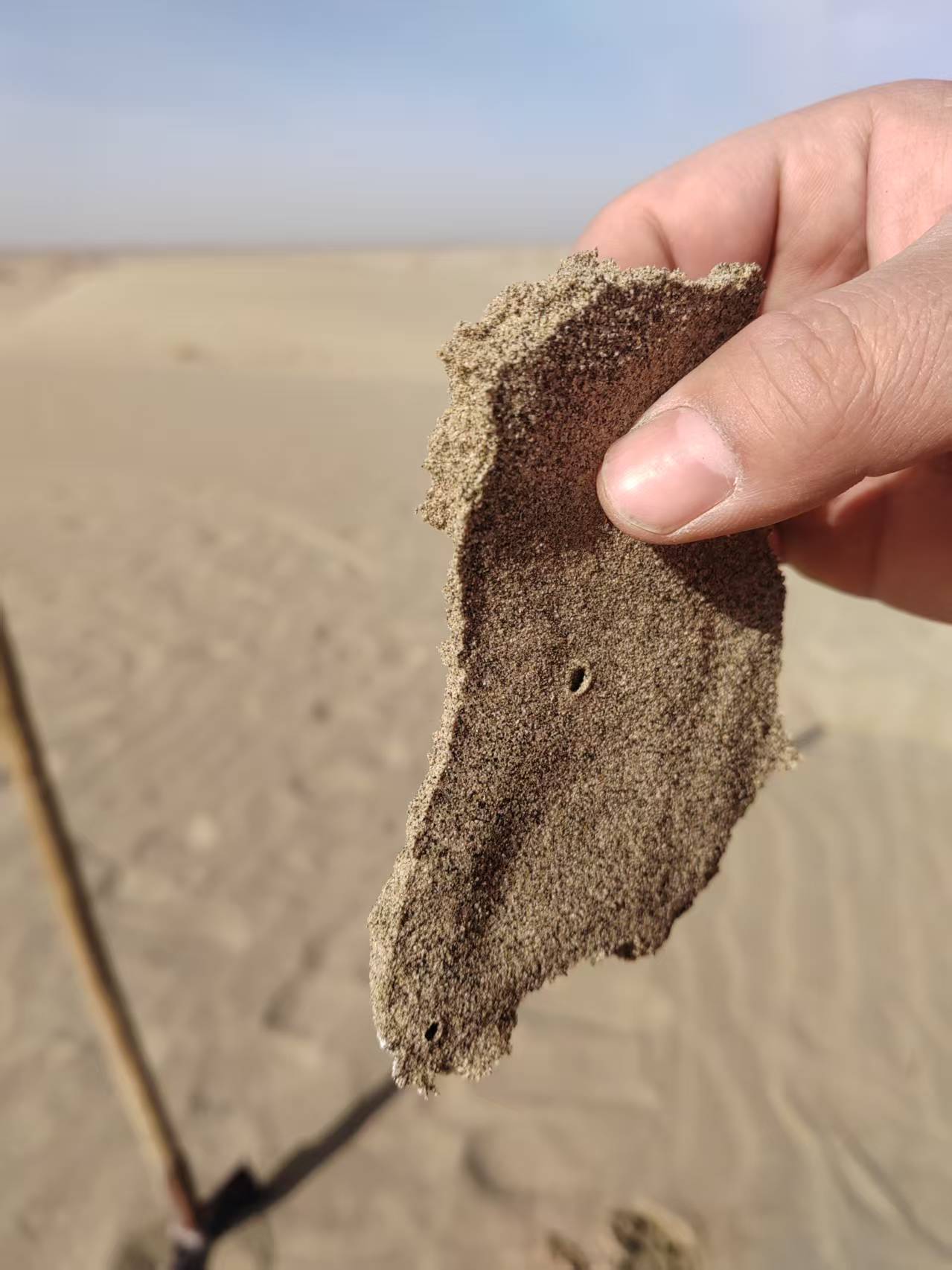
It really depends on the type. Hygroscopic salts absorb moisture and maintain a damp surface that weighs down particles. Binders like lignin and polymers coat and cement the fine particles to larger aggregates. Some newer bio-based products trigger a chemical reaction that compacts and hardens the soil, essentially turning the top layer into a thin crust that resists wind and traffic abrasion.
Water evaporates fast, especially in hot or windy conditions, so you'd need constant reapplication. Proper dust control agents last weeks or months, cutting down on labor, equipment, and water usage. They also prevent fines for violating air quality regulations, reduce health complaints from nearby communities, improve visibility for workers, and lower maintenance costs by preserving the road surface from erosion.
Some traditional chloride products can corrode vehicles and potentially harm nearby vegetation if overapplied or washed into streams. Modern formulations often include corrosion inhibitors and UV stabilizers to minimize runoff risks. It's smart to request safety data sheets and opt for biodegradable, non-toxic agents when working near water bodies or sensitive ecosystems. Many states now have approved product lists based on environmental testing.
Start by looking at the road's traffic volume, speed limits, and soil type—sandy soils might need a binder, while clay roads respond better to moisture retention. Local climate matters too: arid areas call for strong hygroscopic salts, whereas rainy regions might wash them away quickly. Check local regulations and test a small patch first. Budget is a factor, but so is application frequency; a cheaper product that needs weekly reapplication can end up costing more than a durable one.
There's no one-size-fits-all answer. A low-traffic road treated with a polymer emulsion in moderate weather might stay dust-free for three to six months. On a busy haul road with heavy trucks, even the best agents could break down in a few weeks. Extreme heat, rain, and frequent grading can shorten the lifespan. Most suppliers provide estimated duration based on site conditions, and it's wise to plan for a maintenance dose midway through the project.
The key is surface preparation: grade the road to a proper crown and compact it well before spraying. Use a calibrated distributor truck to apply an even coat—not so heavy that it puddles, not so light that it misses spots. For liquid agents, you often need a second pass after the first soaks in. In very dusty conditions, pre-wetting the surface with water can help the agent penetrate deeper. Always follow the manufacturer's recommended application rate, and never apply just before a heavy rainstorm forecast.
Conclusion
Efforts to keep unpaved roads dust-free during construction are often thwarted by a mix of soil type, traffic patterns, and weather. Fine particles become airborne when the binding moisture evaporates or is disturbed by vehicles. Understanding this persistence is the first step, and modern suppressants tackle the problem at a chemical level. From hygroscopic salts that draw moisture from the air to polymer emulsions that glue particles together, each formulation alters the surface tension or cohesion of the road. Surfactants improve water penetration, while organic binders like lignosulfonate create a durable crust. The right choice hinges on your specific terrain—sandy soils demand different tackifiers than clay-rich ground—and a laboratory soil analysis is often the best starting point to avoid a trial-and-error approach that wastes time and money.
Once the ideal agent is selected, application technique determines longevity. Timing is critical: spraying right after a light rain or pre-wetting the surface ensures deeper penetration and even coverage. Topical sprays alone rarely last; multiple light passes and compaction between coats build a resilient layer. Cost considerations must balance upfront expense with reapplication frequency—cheaper salts might need monthly retreatments, while synthetics offer seasons of control. Environmental safety is non-negotiable, and many modern products are biodegradable and non-toxic to groundwater. Real-world projects illustrate these trade-offs: mining haul roads in arid regions perform beautifully with polymer-based mixes, whereas temporary construction access routes may justify simpler, lower-cost options. Superior dust control comes from a holistic evaluation of chemistry, application, and site-specific demands.
Contact Us
Contact Person: Helen
Email: [email protected]
Tel/WhatsApp: 86 18630661160
Website: https://www.roadmilestone.com/