

Cosmetic Packaging Container Makers Every Beauty Brand Should Partner With
2026-08-26
Beauty brands obsess over formulas and flat-lays, but the real first impression happens in someone's hand. A cap that cracks, a dropper that leaks, a jar that feels cheaper than its price tag—these details quietly undo months of marketing. That’s why the choice of a cosmetic packaging container maker deserves as much strategy as the formula itself. Zhejiang Haitong Plastic Industry Technology Co., Ltd. is one of the manufacturers that gets this balance right, combining dependable production with the kind of design nuance modern beauty demands. Below, we’re spotlighting the packaging partners worth your shortlist—so your product's first touchpoint works as hard as your campaign does.
The First Touch Is Already Packaging
The moment your fingers meet the box, a conversation begins. It’s not about the product yet—it’s about the weight of the paper, the resistance of the seal, the faint grain under your thumb. This first touch sets expectations before a single word of promise appears.
Consider how a matte, softly textured carton can whisper restraint, while a glossy, rigid shell might shout confidence. The temperature of the material, the way a lid lifts with just enough friction, even the sound of a tear strip—these details form an unspoken verdict. Packaging doesn’t simply contain; it confirms or undermines the story the product wants to tell.
That’s why the first touch is never neutral. A well-made package makes the hands curious, slows the motion, invites a closer look. It turns a routine delivery into a small ritual, and that ritual becomes part of the product’s value long before it’s ever used.
Why Airless Isn't Just a Feature
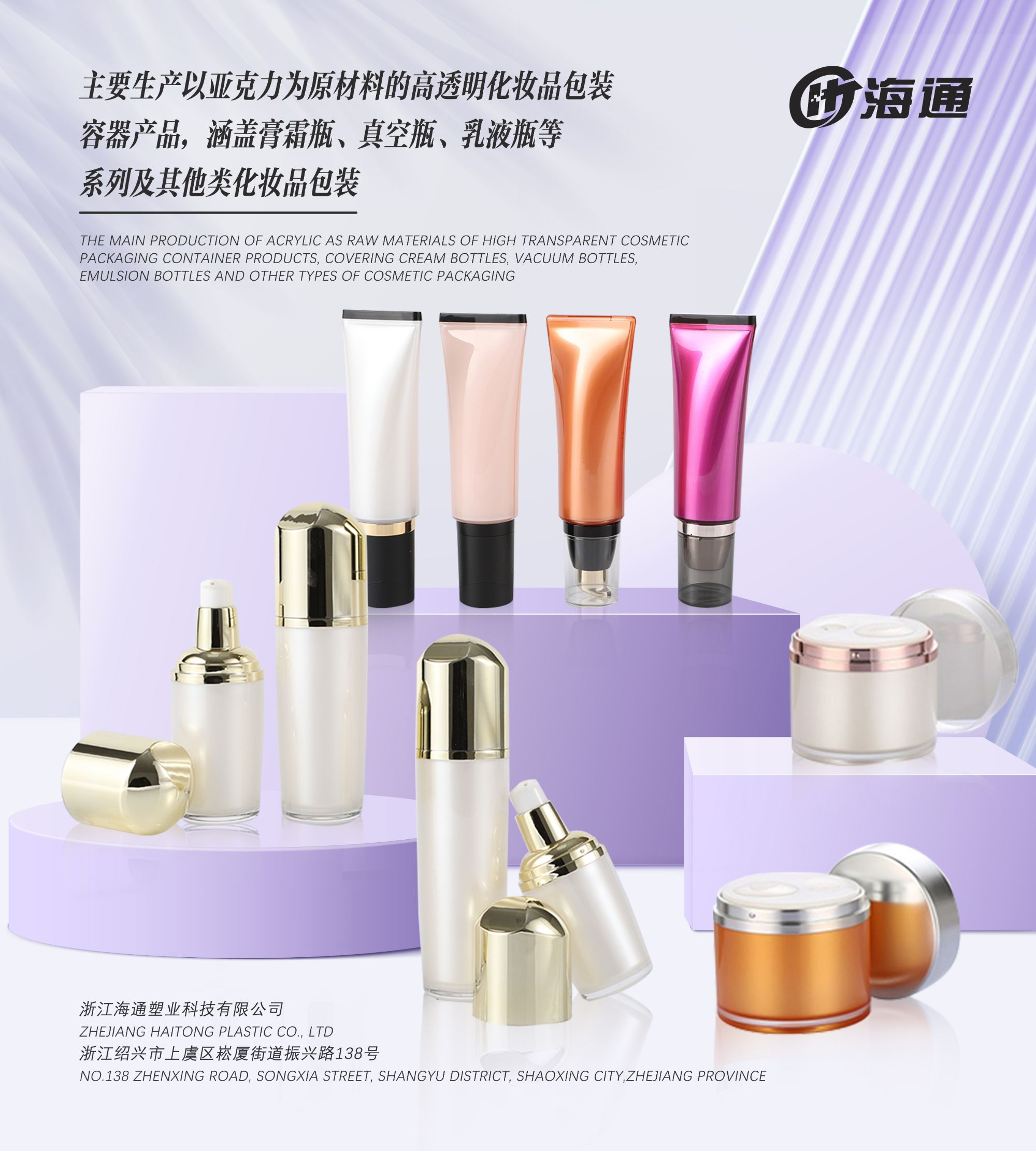
Airless packaging often gets reduced to a technical spec—a pump, a piston, a vacuum. But that misses the point. When you hold an airless bottle, you're holding a promise that the formula inside remains untouched by outside air, light, and bacteria. It's not just about dispensing every last drop; it's about preserving the integrity of what you put on your skin. The real value isn't the mechanism, but the experience of using a product that works exactly the same on day one as it does on day ninety.
Consider how many creams lose their potency because you unscrew a jar and dip your fingers in. Airless eliminates that quiet degradation. It turns packaging into an active guardian. That's why premium skincare brands don't treat airless as an add-on—they treat it as the only way to deliver fragile actives like retinol or vitamin C without compromise. The container becomes part of the formulation story, not just a shell.
The shift is subtle but profound. We've moved from judging packaging by how it looks on a shelf to judging it by how it protects and performs over time. Airless isn't a feature you tick off a spec sheet. It's a philosophy: every pump matters, every exposure matters, and the product you buy should remain as potent as the moment it was sealed.
Small Batches, Loud Statements
Some labels chase volume. Others treat every release like a whispered secret between old friends—fewer pieces, sharper intent, no repeats once they are gone.
Working in small batches means each stitch, print, or pour gets the kind of attention that mass production quietly erases. That is not scarcity for its own sake; it is a deliberate refusal to water down an idea until it fits every shelf.
Limitation has a voice. When a drop lands with ten units instead of ten thousand, each one carries the weight of a decision: this shape, this color, this exact material. Owning it feels less like shopping and more like agreeing with a point of view.
The Quiet Craft of Weight and Texture
A rolled hem carries more than thread; it carries intention. The way a stoneware mug settles into your palm, the slight drag of linen against skin, the dull thud of a wooden door closing—these are not accidental byproducts. They are decisions made by hands that understand how mass and surface communicate silence.
Weight tells you where you are. Texture tells you what has passed. A pewter spoon, heavy and cool, feels like a promise. A rough clay bowl still remembers the wheel. There is no need for ornament when every gram and grain already speaks. The quiet craft lives in that restraint, in letting materials hold their own argument.
When Refill Becomes the Ritual
The act of refilling shifts from a forgotten chore to a deliberate pause the moment you notice the weight of the pen in your hand. Instead of rushing to swap cartridges or bottles, you slow down — unscrewing caps, wiping nibs, watching ink or oil settle into its chamber. That small ritual becomes a reset button for your attention, grounding you before the next stroke of work or writing.
There is a quiet satisfaction in hearing the click of a converter seating into place, or the soft glug of liquid finding its level. These sounds and motions aren't practical necessities; they are tiny ceremonies that signal care for the tools you use daily. Over time, the ritual builds its own rhythm — a cadence that marks transitions between tasks, almost like a private handshake with your own focus.
What makes a refill feel sacred rather than tedious is the choice to treat it as a threshold. A fountain pen running dry isn't an interruption but an invitation to reconnect with why you chose that instrument. The same holds for a perfume atomizer, a lighter, or a mechanical pencil. Each refill is a small promise that you will continue — not automatically, but with intention.
Designing for the Shelfie, But Built for Skin
Most shelfie-ready products are all frosted glass and pastel labels, but the real test happens after the photo is taken. This line was conceived around a simple rule: make it beautiful enough to earn a spot on the counter, then make it work hard enough to stay there. The textures are chosen to feel substantial in the hand without adding unnecessary weight or waste, and the pumps dispense exactly what your skin needs—no more, no less.
Behind that considered exterior, the formulations are deliberately unglamorous in the best way. We skipped the trendy actives that photograph well but irritate over time. Instead, each product leans on pH-balanced, barrier-first ingredients that don't just look good in a drop test—they keep your moisture barrier intact through seasonal shifts, late nights, and over-exfoliation. The result is a routine that's just as dependable on day 30 as it is on day one.
That's the quiet promise: your shelf stays photo-ready, but your skin never has to perform for the camera. You get the ritual and the results, without having to choose between them.
FAQ
Look beyond price. Check if the maker has experience with your product type—airless pumps, jars, tubes—and whether they can handle custom finishes, MOQs that fit your scale, and material certifications. A reliable partner will also share real lead times and have a clear process for samples.
Packaging is the first physical touchpoint a customer has with your product. It protects formulas from light and air, dispenses the right amount, and carries your brand's visual identity. A well-designed container can make a formula feel luxurious or fun, which directly affects repeat purchases.
Target makers who specialize in low to medium MOQs and advertise sample services. Trade shows and direct outreach to niche suppliers often work better than big directories. Ask for a small trial run before committing—many smaller makers are happy to build relationships with emerging brands.
Recycled plastics, glass, aluminum, and refillable systems are leading. Many brands are moving toward mono-material designs that are easier to recycle, or swapping to post-consumer resin. Bamboo and other bio-based accents also appear in caps and outer shells, but the core trend is reducing unnecessary layers.
Stock packaging makes sense when you're launching fast or testing a market—it's cheaper and available in weeks. Custom molds give you a unique shape and exact functionality but require higher upfront costs and longer lead times. Many brands start with stock and customize via labels, colors, or caps, then move to custom once sales are proven.
They should provide documentation—like recycled content certificates or life cycle data—so you can back up your claims. A good maker will also suggest design changes that cut material use or improve recyclability, rather than just selling you a 'green' looking bottle. Without their technical input, sustainability claims can easily become greenwashing.
Be precise about your specifications from day one: dimensions, material, decoration, and fill line. Order samples early and test them with your actual formula. Build in buffer time for mold adjustments and shipping. Also, ask the maker for a production calendar and confirm their capacity for reorders before you finalize.
Conclusion
The first touch is already packaging—fingertips trace the bottle before any formula ever meets skin, and that split second shapes the whole brand story. Airless isn't just a feature; it's the quiet promise that every last pump delivers the same fresh actives, no oxygen, no compromise, preserving what you paid for down to the final drop. Small batches let emerging labels speak loudly, turning limited runs into collectible moments that feel personal rather than mass-produced, and that personal touch is exactly what separates cult favorites from forgettable shelves.
Weight and texture are crafts often overlooked until you hold a jar that feels heavier than expected, the lid turning with just enough resistance to signal quality without frustration. Refill becomes ritual when the outer shell is kept and only the inner cartridge replaced—less waste, more loyalty, and a reason to come back to the same counter every season. Designing for the shelfie but built for skin means every curve, every material choice, every subtle click of closure serves both the camera's eye and the dermis underneath, equally unapologetic about what it demands from the user.
Contact Us
Contact Person: Kara Yang
Email: [email protected]
Tel/WhatsApp: 8618857568397
Website: https://www.haitongplastic.com/