

China Open Type Fiber Laser Cutting Machine: Key Benefits and Buying Tips
2026-10-09
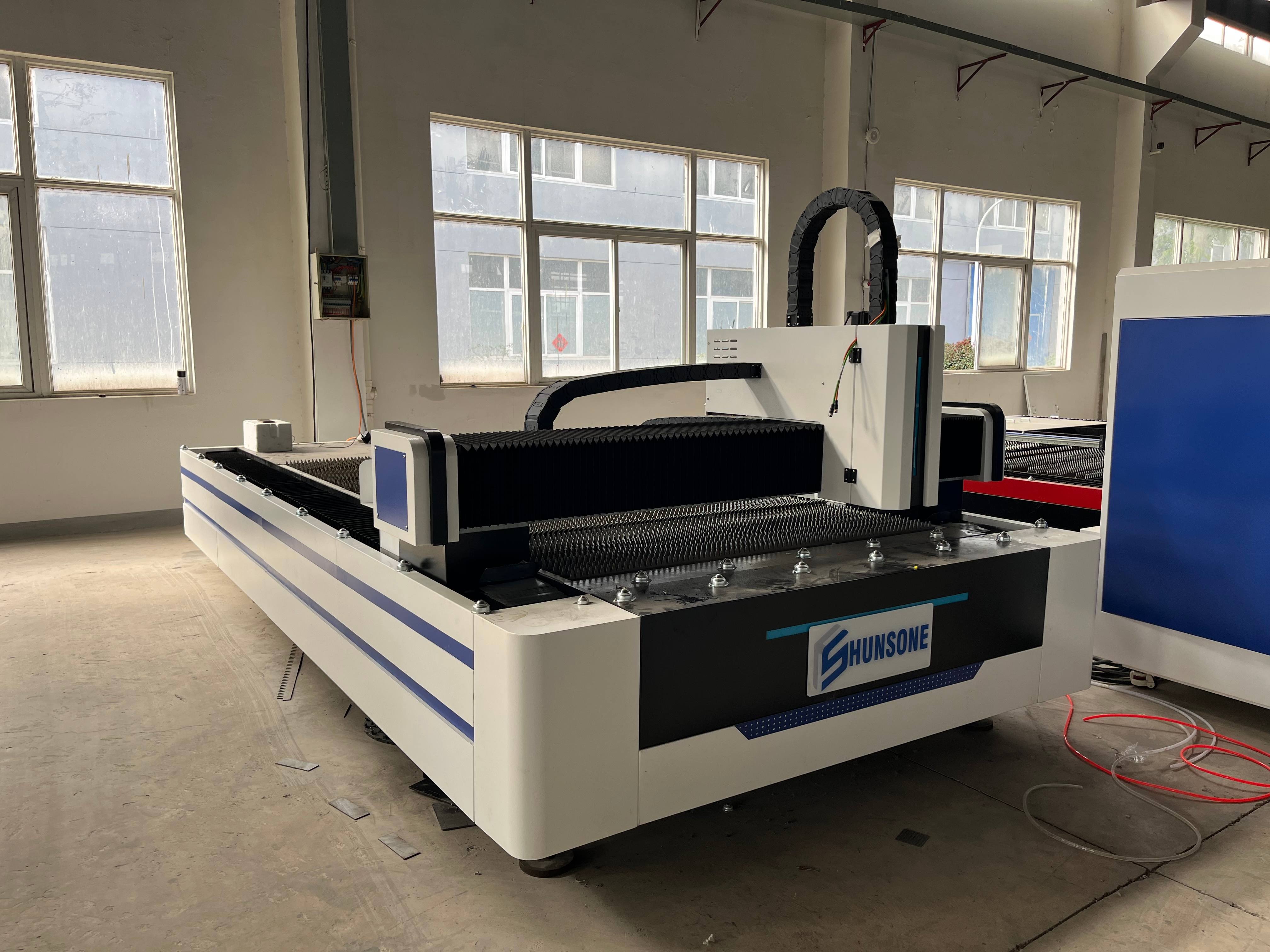
Most buyers assume a fiber laser cutter is just about wattage—until the frame starts flexing mid-cut and the edge quality goes out the window. Open type machines bring a different set of strengths and compromises, and knowing them before you buy can save you from an expensive mistake. HUNSONE has been addressing these exact trade-offs with open type fiber laser systems built for real production, not just spec sheets. Below, we unpack the benefits that actually matter and the buying tips most suppliers won't tell you.
What Sets Open-Type Fiber Lasers Apart in Metal Fabrication
The real advantage of an open-type fiber laser in metal fabrication shows up the first time you need to reconfigure a cutting line. Without a sealed resonator housing to work around, the pump diodes, gain fiber, and delivery optics are accessible and can be swapped or realigned in minutes rather than hours. That accessibility also changes how the beam reaches the workpiece: the fiber path can be routed through existing cable tracks or robotic arms without bulky collimating enclosures, so shops can integrate the laser into punch-laser combos, tube cutters, or custom automation cells without redesigning the entire workstation.
Thermal behavior is another differentiator. Open-type designs let air or water flow directly across heat-generating components, which keeps the fiber and diode temperatures more stable during long cuts on thick plate. More stable temperatures mean less focal shift and fewer adjustments between shifts. For job shops running mixed materials, that translates into consistent edge quality on stainless and aluminum, and less scrap when the laser has to switch from 3 mm sheet to 16 mm plate in the same afternoon.
The Real Advantages You'll Notice on the Shop Floor
On a busy shift, small delays have a way of compounding. What you notice first is that people aren't chasing down information anymore. Job specs, tool offsets, and material counts are already at the workstation, so the operator can set up without leaving the machine. That removes the usual back-and-forth that eats into the first hour of a run.
Another thing that becomes obvious is how much faster decisions get made. When a machine drifts out of tolerance, the person running it sees the trend and corrects it before it becomes a defect. Supervisors spend less time putting out fires and more time improving the process. It's the kind of change that doesn't show up in a demo, but you feel it by the end of the first week.
How Chinese Manufacturers Keep Quality High and Prices Competitive
Chinese factories often run on a scale that makes precision affordable. Instead of treating quality control as a separate step, they weave it into the line, with workers rotating through stations and spotting defects early. Because many manufacturing hubs are clustered—think Shenzhen for electronics or Ningbo for hardware—suppliers sit minutes apart, cutting both freight costs and the time needed to fix a bad batch. That proximity also pushes factories to hold tighter tolerances; if one shop slips, orders shift to a neighbor within a week.
The price side comes down to vertical integration and relentless iteration. A single campus might house tooling, molding, plating, and assembly under one roof, so there is no markup between steps and no waiting on outside vendors. Engineers on the floor tweak jigs and fixtures daily, shaving seconds off each cycle and grams off each part. Labor is not the cheap afterthought it used to be; instead, factories invest in semi-automated lines that run lights-out for simple parts, keeping unit costs low while human inspectors focus on surfaces and fit. That’s why a bracket or enclosure that costs $12 in Europe often lands at $4.50 from a Chinese supplier without falling apart in the field.
Choosing the Right Power and Bed Size Without Guesswork
Power ratings look impressive on paper, but the only thing that matters is what your typical jobs actually demand. A 40W laser might cut through 6mm plywood in two passes, while a 20W unit struggles with the same sheet and leaves charred edges. Instead of guessing, grab a few offcuts of the materials you use most and run a simple grid test: vary speed and power settings, then measure cut depth and edge quality. If you mostly engrave slate or anodized aluminum, a 10W diode is often plenty. If you plan to cut 8mm acrylic for signage, you'll need something closer to 60W or higher. Let the material thickness and density drive the decision, not the marketing number on the box.
Bed size is where people often overbuy or underbuy without realizing it. A huge work area sounds great until you discover that most of your projects are smaller than a sheet of paper, and the machine eats half your workshop. Conversely, a compact 300x200mm bed becomes a bottleneck the moment someone asks for a 400mm-wide nameplate. Think about the largest single piece you'll realistically process, then add about 20 percent margin for clamping or alignment jigs. If you frequently cut full sheets of 600x400mm plywood, get a bed that handles that size in one go rather than tiling multiple passes. Tiling is possible, but it introduces alignment errors and wasted time. Measure your storage space too—a machine with a 900x600mm bed needs a footprint closer to 1.2 meters wide once you account for cable routing and access.
The real trick is matching power to bed size so you don't end up with a slow, oversized machine or a fast, cramped one. A low-power laser on a large bed forces you to move the head across long distances for simple cuts, which can double or triple job time. A high-power laser on a tiny bed limits you to small parts, and you'll never use the full wattage because thin materials burn before you can push speed. Before buying, list your five most common project dimensions and materials, then find the smallest bed that fits the largest of those five, paired with the lowest power that cuts the thickest material in a single pass at a reasonable speed. Even better, join a user forum for your target machine and ask owners to share real cut settings and bed layouts—these are often far more reliable than the manufacturer's spec sheet.
Questions to Ask Before You Commit to a Supplier
Before you sign anything, get clear on lead times, minimum order quantities, and how they handle quality hiccups. A supplier who hesitates to share production timelines or dodges questions about defect rates is already telling you something. Ask about their capacity during peak season, not just now, and request a sample run under conditions similar to your actual order.
Dig into communication habits, too. Who becomes your point of contact after the contract is signed? If the person you're negotiating with disappears once payment clears, that's a red flag. Ask for references from buyers with a similar order size, and actually call them. Find out what happened when something went wrong, because something always goes wrong at some point.
Finally, confirm the terms that often get buried: packaging, labeling, shipping responsibilities, and what "on time" means in their contract. Vague language favors the supplier, not you. Walk through a hypothetical delay and see how they respond. If they can't give a straight answer about who covers air freight or rework costs, keep looking.
Maintenance and Long-Term Ownership Costs Worth Planning For
When you buy a vehicle, the sticker price is only the first chapter of a much longer story. The real numbers start showing up months later, with routine upkeep, unexpected repairs, and those small but relentless expenses that quietly shape your monthly budget. Planning for maintenance and long-term ownership costs isn't about being pessimistic—it's about making an informed choice that keeps your finances stable and your car running well for years to come.
One of the most overlooked aspects is how different vehicles age under the same driving conditions. A car with a reputation for reliability might still need specific parts replaced at predictable intervals, while another model might have a known weakness in its transmission or cooling system that only appears after 60,000 miles. Looking beyond the showroom floor means checking real-world repair data, parts availability, and whether your local mechanics are comfortable working on that particular make and model. That research can save you from a surprise four-figure bill later on.
Fuel, insurance, tires, brakes, and even depreciation all play their parts in the total cost of ownership. Choosing a vehicle with slightly higher upfront cost but dramatically lower long-term expenses often makes more sense than chasing the lowest sale price. And remember: regular preventive maintenance—like timely oil changes, fluid flushes, and belt replacements—might feel like an inconvenience now, but it's far cheaper than waiting for a breakdown. A little planning today keeps you from financing yesterday's problems tomorrow.
FAQ
The open frame lets you load oversized or awkwardly shaped sheets without fighting a cabin door. You get faster material changes and a clear view of the cutting head, but you trade that for more exposure to laser reflections and fumes, so eye protection and good ventilation become non-negotiable.
Most 1kW to 3kW machines cut carbon steel up to 12mm, stainless steel up to 5mm, aluminum around 3mm, and brass or copper up to 2mm with the right assist gas. Pushing beyond these limits usually slows the feed rate and increases edge roughness, so real cutting tests matter more than brochure numbers.
Look at the wall thickness of the steel tubing, the quality of welds, and whether the gantry is stress-relieved after welding. A flimsy frame will vibrate at high acceleration and kill your cut accuracy within months. Ask the supplier for a video of the machine running at its advertised maximum speed, not just a static photo.
The laser source is the heart of the machine. Brands like Raycus, Max, and JPT are common in Chinese machines and generally easier to service because spare modules are widely available. Off-brand sources might save 10-15% upfront but can leave you stranded when a diode fails and nobody local can replace it.
Yes. Most Chinese quotes exclude the water chiller, voltage stabilizer, exhaust fan, and sometimes even the cutting software license. Shipping, import duties, and on-site commissioning usually add another $1,500 to $4,000 depending on your location. Always ask for a line-item breakdown instead of a single lump sum.
Reputable suppliers offer remote video diagnosis, same-day WhatsApp or WeChat response, and spare parts shipped by air within a week. On-site visits are rare unless you pay travel costs. Before ordering, test their response time by sending a technical question and see how detailed and quick their answer is.
Absolutely. Because there is no full enclosure, you need laser-safe curtains or barriers around the cutting area, a fume extraction system that pulls smoke away from the operator, and everyone nearby must wear proper OD-rated laser goggles. Some countries also require an interlock switch on the workshop door to cut power if someone enters during operation.
Conclusion
Open-type fiber laser cutters from China earn their place in busy fab shops by eliminating the enclosure that often slows down loading and unloading. You can slide large or awkward sheets straight onto the bed without fighting a cabin door, and the open frame makes fume extraction easier to position where it actually works. On the floor, the difference shows up as faster changeovers, simpler access for cleaning slag or swapping nozzles, and less downtime when a job requires unusual material sizes. Chinese manufacturers keep this design affordable by using modular gantries, locally sourced fiber sources, and lean assembly lines, while still testing beam quality and repeatability before shipping. That doesn't mean every machine is equal, but the value is real when you compare cutting speed and edge finish to machines costing far more.
Buying smart means matching power and bed size to the thickest material you'll cut regularly, not the thickest you might cut once. A 6kW source with a 4x2 meter bed covers most job shops, while 12kW or more only pays off if you're processing 20mm steel daily. Ask suppliers for a timed cutting demo on your own file, not a preloaded sample, and check how they handle replacement lenses, collimators, and control board failures after the warranty expires. Long-term costs hide in dirty optics, poor chiller maintenance, and lack of local technical support, so get a written list of spare parts and realistic service response times. A slightly higher upfront price from a supplier with a local warehouse often beats a cheap machine that sits idle waiting for parts from overseas.
Contact Us
Contact Person: James Chen
Email: [email protected]
Tel/WhatsApp: 86 13770803946
Website: https://www.hunsone.com/