
China Boot Mat That Keeps Entryways Clean and Floors Protected
2026-11-27
Every entrance tells a story before you even step inside—and too often, it's a messy one of tracked-in mud, slush, and grit. A well-chosen boot mat changes that narrative. It catches the daily wear your floors would otherwise absorb, keeping entryways cleaner and hardwood, tile, or carpet protected season after season. For homes that face rain, snow, or just busy feet, the right mat becomes a quiet workhorse. FANDEWEI understands this balance: durable materials that trap debris without looking industrial, plus a low-profile design that fits almost any doorway. In this guide, we'll look at how a China boot mat can stop dirt at the door, what features actually matter, and why a small upgrade here saves you hours of floor cleaning later.
Mud and Snow Stop at the Door, Not in Your Hallway
A few wet footprints are all it takes to turn a clean hallway into a streaked, gritty mess. Once snow mixes with street dirt, it clings to boot treads and gets pressed deep into carpet fibers or smeared across hard floors. The trouble usually has less to do with the weather and more to do with an entryway that gives shoes nowhere to shed their load before stepping inside.
The simplest fix is to build a small transition zone right at the threshold. A stiff-bristle scraper mat outside the door handles the heavy, wet snow, while a highly absorbent runner just inside catches what's left. Give the runner enough length for at least two full steps, not a quick wipe. That distance turns a token mat into one that actually works.
If the space allows, a boot tray with raised edges keeps meltwater from wandering across the floor, and a bench nearby makes it easier to remove footwear without balancing on one foot. Knock heavy slush off outside, wipe soles thoroughly, and leave shoes by the door. The hallway becomes easier to keep clean, and nobody has to tiptoe around puddles in socks.
Deep Grooves Scrape Boots Without Snagging Laces
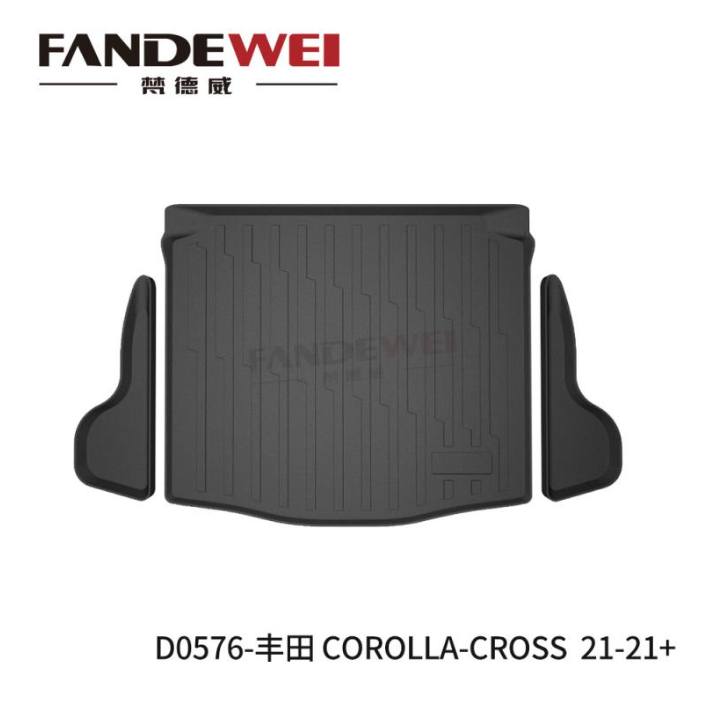
The channels are cut deep enough to pull packed mud and gravel from the tread, but the edges stay low and rounded so there is nothing sharp waiting to grab a lace. When you drag a boot across, the debris drops into the grooves instead of getting pushed toward the eyelets. That makes each pass cleaner and keeps the top of the foot clear.
The angle of the scraper follows the toe curve closely, which lets the sole settle into the rough section while the lace area sits just above the contact point. You can scrape with a steady downward pull without the edge catching between the laces or snagging the knot. It removes the need to stop, free a lace, and reset your footing.
On wet, sticky days the spacing between grooves lets soil slide out instead of packing into a single clogged ridge. Mud, grass, and small stones break loose in sections, so the boot comes away lighter without dragging anything up toward the ankle. The laces stay where they belong, and the sole gets cleared in one or two firm passes.
Low Edges Sit Flat So the Door Glides Over It
A slight ridge along the floor is often enough to catch a door mid-swing, but the tapered outer edge here removes that problem almost entirely. It sits low and snug against the surface, leaving no raised lip to scrape or bump against. Even when a door has been hung tight to the floor, it passes over without dragging.
Because the edge stays flat, the transition feels less like a barrier and more like part of the floor itself. Foot traffic, rolling carts, and chair casters move across without the small jolt that usually comes from raised trim. It also tends to collect less dust along the boundary, which keeps the area looking tidier with less effort.
There is no need to shave down the door or adjust its sweep after the piece is in place. You can set it, check the clearance, and leave it alone. The low profile does the work quietly, letting the door glide instead of catching on hardware or uneven edges.
Grips the Floor Instead of Sliding With Every Step
The outsole bites into smooth tile and hardwood without that stiff, clunky feel. Small directional lugs spread pressure evenly, so each step ends where you intended instead of gliding forward a half inch.
On wet entryway floors or polished concrete, the rubber compound softens just enough to hold its line. You notice it most when carrying something heavy or rounding a corner: the foot stays planted while the rest of your body keeps moving.
What really makes a difference is how quiet the grip is. There is no sticky tackiness or squeak, just a controlled stop that feels stable underfoot from the first wear.
A Quick Rinse Restores It After a Wet, Gritty Week
After a week of sand, salt spray, and muddy trail dust, the gear felt rough and sluggish. A quick rinse under running water wasn't just about looks—it stripped away the fine grit that had worked into the hinges and fabric. Within minutes, the stiffness eased and the moving parts felt smooth again, almost like the moment it came out of the box.
The trick is to avoid soaking or scrubbing too hard. A light spray, a gentle shake to dislodge trapped debris, and a few hours of air drying did more than a deep clean ever could. The materials snapped back to their original texture, and the faint odor of damp earth disappeared without a trace.
It's easy to skip this step when you're tired, but those five minutes save you from long-term wear. Grit left in seams acts like sandpaper, slowly eating away at the fabric and coating. A quick rinse isn't just maintenance—it's the difference between gear that feels broken-in and gear that feels broken.
Made to Take Winter Boots, Work Shoes, and Daily Traffic
Mud, slush, grit, and the steady scuff of a workday all land in the same place. The surface here is built around that reality, with a texture that grips wet soles and a fiber makeup that traps debris before it spreads. Winter boots leave salt streaks; work shoes drag in oil and fine dust. Neither one gets a free pass, and neither should require a scrub-down after every entrance.
The edge binding stays flat under heavy footfall, so boots with deeper treads do not catch or peel it back. High-traffic days, from morning shift changes to after-school pileups, wear down the finish slowly instead of leaving a visible path in the first season. It is the kind of material that looks better after a month of real use than it does in a showroom photo.
Daily traffic does the damage most people do not notice until spring. This is made to spread out that wear, hold its color, and dry without turning slick. If it can handle a February morning with rock salt and steel toes, a Tuesday with deliveries and wet sneakers is not much of a contest.
FAQ
The surface uses a raised pattern that scrapes debris off soles while shallow channels hold water and mud so they don't spread across the floor.
Yes, the material is water-resistant and the edges are slightly raised to keep slush contained until you shake it out or rinse it.
Shake off loose dirt, then hose it down or scrub with mild soap and water. Let it air dry completely before putting it back by the door.
The backing has a grippy texture that reduces sliding on smooth surfaces, and the weight keeps corners from curling.
It works well in covered entryways, mudrooms, and garages. For fully exposed areas, keep it out of standing water to extend its life.
A width that matches or slightly exceeds your door frame usually works best; many people go with a rectangular size around 30 by 45 inches for enough step space.
There may be a light odor at first, but it fades within a few days if you air it out in a well-ventilated spot.
It is designed with a low profile, so most doors swing over it without catching, while still being thick enough to trap dirt effectively.
Conclusion
A busy entryway takes a beating in wet weather, and this boot mat from China absorbs much of that mess before it reaches your floors. Mud, slush, and snow settle into the mat's channels at the threshold instead of spreading down the hallway or getting ground into carpet fibers. The grooves are deep enough to scrape caked soles clean, yet shaped so they won't snag laces or trip anyone stepping inside. Low, flat edges are another practical detail: the door glides over the mat without catching, and the reduced lip makes it easy to place in a snug entryway without creating a raised obstacle. For homes with tight clearance under the door, that small design choice keeps the mat usable all year.
Stability matters just as much as cleaning power. The underside grips the floor rather than sliding forward with every step, so the mat stays where it should be even when people walk in with heavy boots. After a wet, gritty week, a quick rinse flushes out the channels and restores the surface without scrubbing, which suits busy households that don't want fussy upkeep. It is made to handle winter boots, work shoes, and steady daily traffic, so it fits naturally in a front entry, laundry room, or mudroom where footwear changes happen throughout the day.
Contact Us
Contact Person: Jet
Email: [email protected]
Tel/WhatsApp: 8619903745266
Website: https://www.fandewei.com/