

BIB Bag in Box Manufacturer Insights: Revolutionizing Liquid Packaging Solutions
2026-05-16
The liquid packaging industry is undergoing a quiet revolution, and Bag-in-Box (BIB) solutions are at the forefront. As demand for sustainable, cost-effective, and efficient packaging surges, manufacturers are turning to innovative designs that extend shelf life and reduce waste. Among the pioneers driving this shift is Kody, a BIB manufacturer whose insights reveal how smart engineering is reshaping everything from beverage dispensing to industrial liquid handling. This post dives into the practical breakthroughs and market trends that are making BIB the go-to choice for businesses worldwide.
Rethinking Liquid Packaging: The Unseen Potential of Bag-in-Box
Boxed wine may spring to mind when bag-in-box is mentioned, but the format has quietly outgrown its budget-party reputation. The pairing of a flexible inner bladder with a rigid outer shell does more than cut costs—it rewrites the rules of liquid handling. By decoupling structural strength from product contact, the design sidesteps the inherent trade-offs of glass bottles and rigid jugs, opening up possibilities that go well beyond the liquor aisle.
Preservation is where the system truly shines. As liquid exits, the hermetically sealed bag collapses around it, starving the remaining contents of oxygen. This simple mechanic can keep products fresh for weeks or even months after the first pour, slashing spoilage rates dramatically. For manufacturers, the ability to ship empty boxes and fill them locally compresses supply chains, trimming both fuel burn and warehouse space—all without sacrificing the protective qualities that liquid cargo demands.
The end-of-life story adds another layer no one expected. The inner pouch uses a fraction of the material found in a typical rigid container, and the cardboard shell slots neatly into existing recycling streams. In a climate where regulators and consumers are both sharpening their focus on circularity, bag-in-box sidesteps the complex multi-material laminates that plague recycling plants. It’s a rare case where practicality, cost, and environmental sense align without the usual marketing gloss.
Why Sustainability Experts Are Betting on Bag-in-Box
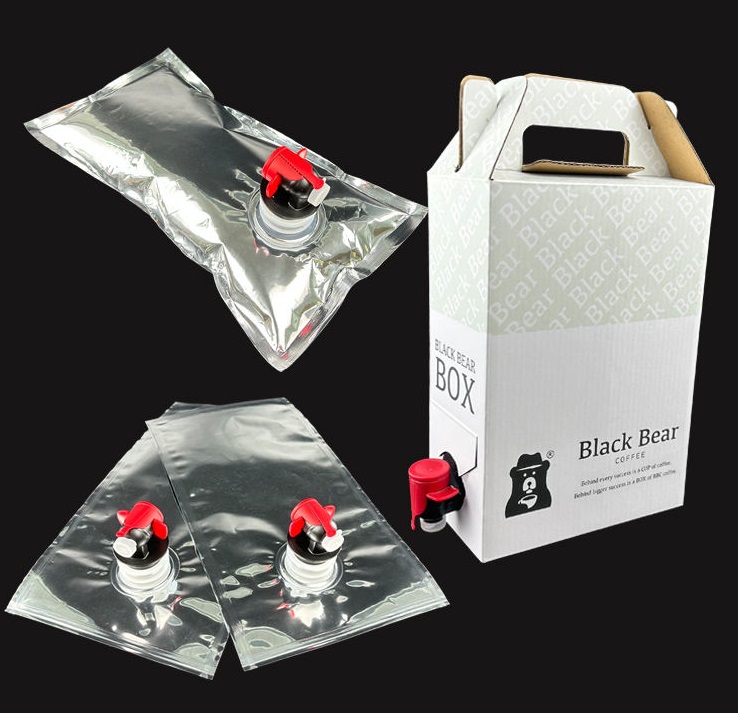
Sustainability experts are turning to bag-in-box packaging because it rethinks how we balance preservation and resource use. The flexible inner bag collapses as contents are dispensed, keeping air out and dramatically extending the product's life without relying on heavy preservatives. This built-in spoilage prevention aligns perfectly with waste-reduction goals, making it a natural favorite among circular economy advocates.
Another major draw is the lightweight, space-efficient design. When empty, bag-in-box systems take up a fraction of the space of traditional bottles or cans, meaning more units can be shipped in a single load. This cuts fuel consumption and emissions throughout the supply chain, a detail that climate-focused analysts consistently highlight as a practical win.
Perhaps most compelling is the end-of-life story. Unlike many multi-material packs that are hard to separate, bag-in-box is often designed for easy disassembly—cardboard, film, and tap can be readily sorted for recycling streams. Combined with a lower overall material footprint, it offers a tangible step toward truly responsible packaging.
From Pouch to Tap: The Engineering Marvels Inside BIB
The journey of liquid from pouch to tap starts with the bag itself, a deceptively simple multi‑layer film that blends strength with flexibility. Each layer plays a distinct role: an inner food‑grade polyethylene keeps the product pure, a middle barrier of aluminum or specialized polymer blocks oxygen and light, and an outer tough layer resists punctures. The film is precision‑welded into a pouch with a spout, a process that demands exact heat and pressure to prevent leaks while ensuring the weld remains flexible enough to withstand constant flexing as the bag empties.
Connecting the pouch to the outside world is the tap, a miniature valve system that must perform flawlessly for dozens of gallons. Inside, a spring‑loaded plunger or a cleverly shaped diaphragm seals against the spout, opening only when the user presses or twists. The real ingenuity lies in the air compensation—as liquid exits, air must replace the volume without contaminating the contents. Some designs use a vented collar that lets air seep between the bag and box, while others rely on the bag's natural collapse. Materials here need low friction and high wear resistance, often using food‑grade acetal or silicone, so the action stays smooth from first pour to last drop.
The external box is an engineering achievement in its own right, balancing compression strength with easy storage. Corrugated cardboard, often with a double‑wall construction, supports a full bag while surviving stacking and occasional bumps. Inside, a cleverly folded inner sleeve or a simple profile keeps the tap secure yet accessible, guiding the user to perforate a pre‑scored punch‑out without requiring tools. The whole assembly is designed for flat‑pack efficiency: boxes ship collapsed, bags folded, and taps nested, minimizing space until the moment of filling. It’s a harmony of material science and mechanical design that turns a simple concept into a reliable, everyday marvel.
Unexpected Applications Where Bag-in-Box Outperforms Rigid Containers
Bag-in-box packaging is often associated with wine or bulk liquids, but its advantages are quietly reshaping offbeat corners of the market. Take commercial kitchens, for example�many are now adopting bag-in-box systems for condiments and cooking oils. Unlike rigid jugs that trap air and speed up oxidation, the collapsible bag limits air exposure, keeping fryer oil fresher for longer. That means fewer oil changes and a noticeable drop in waste. It's a small shift that adds up to real savings, and the flexible footprint frees up storage space where every inch counts.
The real surprise might be in the world of precision cleaning and industrial processes. High-purity fluids like deionized water or specialty solvents used in labs and electronics manufacturing are starting to arrive in bag-in-box formats. Traditional rigid drums leave a significant amount of product behind as clingage, but the bag’s vacuu-drain design pushes out nearly every last drop. Beyond the yield improvement, there’s an unspoken benefit: each changeover is clean and drip-free, so workers aren’t fumbling with heavy containers or hazmat risks. It’s the kind of operational uplift that quietly makes a facility more efficient.
Then there’s the unglamorous but critical realm of agricultural inputs. Liquid fertilizers and crop protection agents can be rough on packaging, with standard drums cracking under UV exposure or from rough handling. Heavy-duty bag-in-box alternatives, engineered with multi-layer barriers, flex instead of failing. That resilience translates directly to leak-free storage in the field and easier dose-out into sprayers. The real win, though, is the waste stream: collapsed bags and cartons are far simpler to manage and sometimes recyclable where rigid plastics aren’t accepted, closing a loop that farmers and rural waste systems have long struggled with.
The Hidden Economics Advantage of Switching to Flexible Packaging
Most businesses focus on the upfront price of packaging materials, but the real economic advantage of flexible packaging lies in its ability to cut costs across the entire supply chain. Lighter weight means lower transportation expenses—both inbound and outbound—while the compact nature of pouches and films reduces warehousing needs dramatically. A truckload of flexible pouches can carry significantly more product units than rigid containers, slashing fuel consumption and fleet requirements. This domino effect of savings is often overlooked in traditional cost-per-unit calculations, yet it routinely delivers double-digit percentage reductions in logistics spend for companies that make the switch.
Beyond logistics, the material efficiency of flexible packaging translates into less waste and lower disposal fees. Because flexible structures use up to 75% less material than rigid alternatives while still providing robust barrier protection, companies see immediate reductions in raw material costs. This efficiency extends to waste handling—there's simply less packaging to discard after use. In regions with extended producer responsibility regulations or variable waste fees, that difference quickly compounds into substantial annual savings. Plus, the extended shelf life that flexible packaging often provides means fewer product losses from spoilage, turning what seems like a packaging decision into a direct boost to bottom-line profitability.
There's also a less obvious economic benefit tied to brand perception and market agility. Flexible packaging enables eye-catching, full-surface graphics that help products stand out on crowded shelves without the premium cost of printed rigid containers. Its lightweight, reclosure features, and portability align with consumer demands for convenience, often allowing brands to command higher price points or gain faster retail turnover. Additionally, the ability to quickly adjust package sizes and formats without expensive mold changes gives companies the flexibility to respond to market trends or launch trial sizes at minimal cost, turning packaging into a strategic tool for revenue growth rather than just a expense line item.
What’s Next for Bag-in-Box: Trends Shaping the Future of Liquids
The bag-in-box format is quietly breaking out of its traditional strongholds. Once synonymous with bulk wine and fountain syrups, it now finds itself at the center of a push toward premiumization. Small-batch craft beverages, from kombucha to cold brew, are adopting the packaging not just for its efficiency but for the story it tells: less waste, extended freshness, and a nod to mindful consumption. Producers are experimenting with multi-layered films that protect delicate flavors, while sleek outer cartons shed the industrial look in favor of understated elegance. This shift is less about shouting eco-credentials and more about letting the design speak for itself, aligning with a generation of buyers who expect responsible choices to feel effortless.
Beyond beverages, bag-in-box is quietly infiltrating categories like liquid soap, detergent, and even culinary oils. The driving force isn’t nostalgia but a pragmatic rethinking of how consumers interact with everyday products. Dispensing systems are becoming smarter, with tamper-evident closures and precision taps that minimize mess and maximize portion control. In a market flooded with single-use plastics, the format’s ability to cut packaging weight by up to 80% compared to rigid containers gives it a persuasive edge, even if no one talks about it aloud. This practical sustainability—less about marketing, more about math—may well be its most durable asset.
There’s also a quiet revolution happening in logistics and shelf life. With advancements in metallized film barriers and aseptic filling technology, bag-in-box can now store sensitive liquids for periods previously reserved for glass or cartons. This opens doors for export markets and long-distance distribution without refrigeration, a critical advantage for brands eyeing global scale. Meanwhile, e-commerce’s relentless demand for lightweight, damage-proof packaging has made the format a behind-the-scenes favorite. As supply chains grow more complex, the unassuming bag-in-box might end up being the most adaptable container on the shelf.
FAQ
It shifts the entire focus from rigid containment to adaptive dispensing, cutting oxidation risks drastically while keeping operational costs far lower than traditional bottles or drums.
They're replacing layered plastics with recyclable mono-materials and plant-based films, then redesigning tap fitments so the whole unit can be responsibly discarded or reconditioned.
Glass breaks, weighs a ton, and kills margins with return logistics. BIB systems extend shelf life after opening, need less storage space, and open up refillable dispenser partnerships that younger consumers actually prefer.
Beyond supplying the packaging, seasoned vendors offer modular filling machinery that fits existing lines without major capital expense, plus material science support to tweak film barriers for a specific liquid's acidity or viscosity profile.
Embedded QR codes on carton panels track usage data and trigger reorders automatically, while tamper-evident membranes and color-changing freshness indicators give operators instant quality visibility.
It’s moving fast into high-end cooking oils, artisan cold-brew concentrates, and even cosmetic bases where precise dosing and zero air contact preserve active ingredients better than jars ever could.
Insist on in-house extraction testing that mimics real-world storage conditions—elevated temperatures, constant vibration—alongside certifications that go beyond generic food contact to substance-specific migration results for your exact product.
Conclusion
Bag-in-box packaging is quietly reshaping how industries approach liquid storage and dispensing, yet its full potential remains largely untapped. Manufacturers are pushing engineering boundaries, transforming simple pouches into sophisticated systems where precision taps and multi-layer barrier films work in concert. The hidden genius lies in the collapsing bag design, which prevents air ingress and oxidation, preserving product integrity from first pour to last. This isn't just about replacing bottles; it's about rethinking the entire lifecycle of liquid products. From wine and dairy to industrial lubricants and even medical fluids, BIB solutions are proving their mettle in scenarios where rigid containers simply can't compete. The economic argument is equally compelling—lower shipping weights, reduced storage requirements, and minimal material waste translate into a cost structure that rigid packaging struggles to match.
Sustainability experts are increasingly championing BIB as a pragmatic path toward circular economy goals. The flexible packaging slashes plastic use by up to 80% compared to traditional alternatives, dramatically lightens carbon footprints during transport, and sidesteps the recycling challenges that plague rigid containers. Yet the real excitement surrounds what comes next: smart taps with IoT connectivity for real-time stock monitoring in commercial kitchens, aseptic formats that could vastly extend shelf life without refrigeration, and breakthrough material science enabling truly compostable films. As brands grapple with consumer demands for both sustainability and convenience, BIB manufacturing is evolving into a nexus of material innovation and smart dispense technology—poised to turn every bag into a connected, eco-conscious liquid hub.
Contact Us
Contact Person: Cindy Lee
Email: [email protected]
Tel/WhatsApp: 8613622669331
Website: https://www.dgkody.com