

Best Knife Gate Valves for Reliable Industrial Flow Control
2026-08-01
When it comes to handling tough media in demanding industrial environments, not all valves are built the same. Knife gate valves are the go-to solution for reliable on-off control of slurries, viscous fluids, and dry solids, but choosing the right one can mean the difference between seamless operations and costly downtime. THT has been engineering high-performance knife gate valves that combine robust design with precision sealing, offering a dependable option for those who refuse to compromise on flow control. In this guide, we’ll explore what sets the best apart and help you find the perfect fit for your application.
What Sets Knife Gate Valves Apart in Heavy-Duty Flow Operations
In heavy-duty flow operations, the real differentiator of knife gate valves is their unapologetic simplicity. Unlike conventional gate valves that rely on a wedge-shaped disc to achieve a tight seal, the knife gate’s blade-like design slices through thick media—slurries, viscous fluids, or debris-laden mixtures—with minimal effort. This isn't just about cutting through; it's about surviving in environments where other valves would choke. The sharpened gate edge clears away solids that would otherwise accumulate, ensuring a full-port, unobstructed flow when open and a reliable shut-off even in the grittiest conditions. No fancy seating mechanisms, just a straightforward linear motion that works when everything else is clogged.
Another often overlooked advantage is the valve's compact, lightweight profile paired with a full-bore passage. In cramped installations or on skids where every inch counts, a knife gate valve can be mounted vertically, horizontally, or even at an angle without worrying about performance drift. The absence of internal pockets or cavities means there’s nowhere for media to settle and harden, slashing the maintenance headaches that plague more complex valve designs. It's this kind of practical engineering—minimal components, maximum clearance—that makes them the go-to for mining, wastewater, and pulp and paper operations where downtime translates directly into lost revenue.
Yet the true distinction emerges at the packing and seat level. Modern knife gate valves sidestep the age-old problem of leakage by using advanced materials like reinforced PTFE or elastomers that can be adjusted or replaced without pulling the valve from the line. Some designs even integrate a secondary sealing barrier or purging port, allowing operators to flush out buildup in real-time. The result is a valve that doesn’t just seal on the line—it handles the unpredictable nature of real-world processes, from sudden pressure spikes to abrasive wear, with an almost indifferent reliability. That's a rare quality in heavy-duty flow control.
Unpacking the Engineering Behind Leak-Proof Shut-Off Capabilities
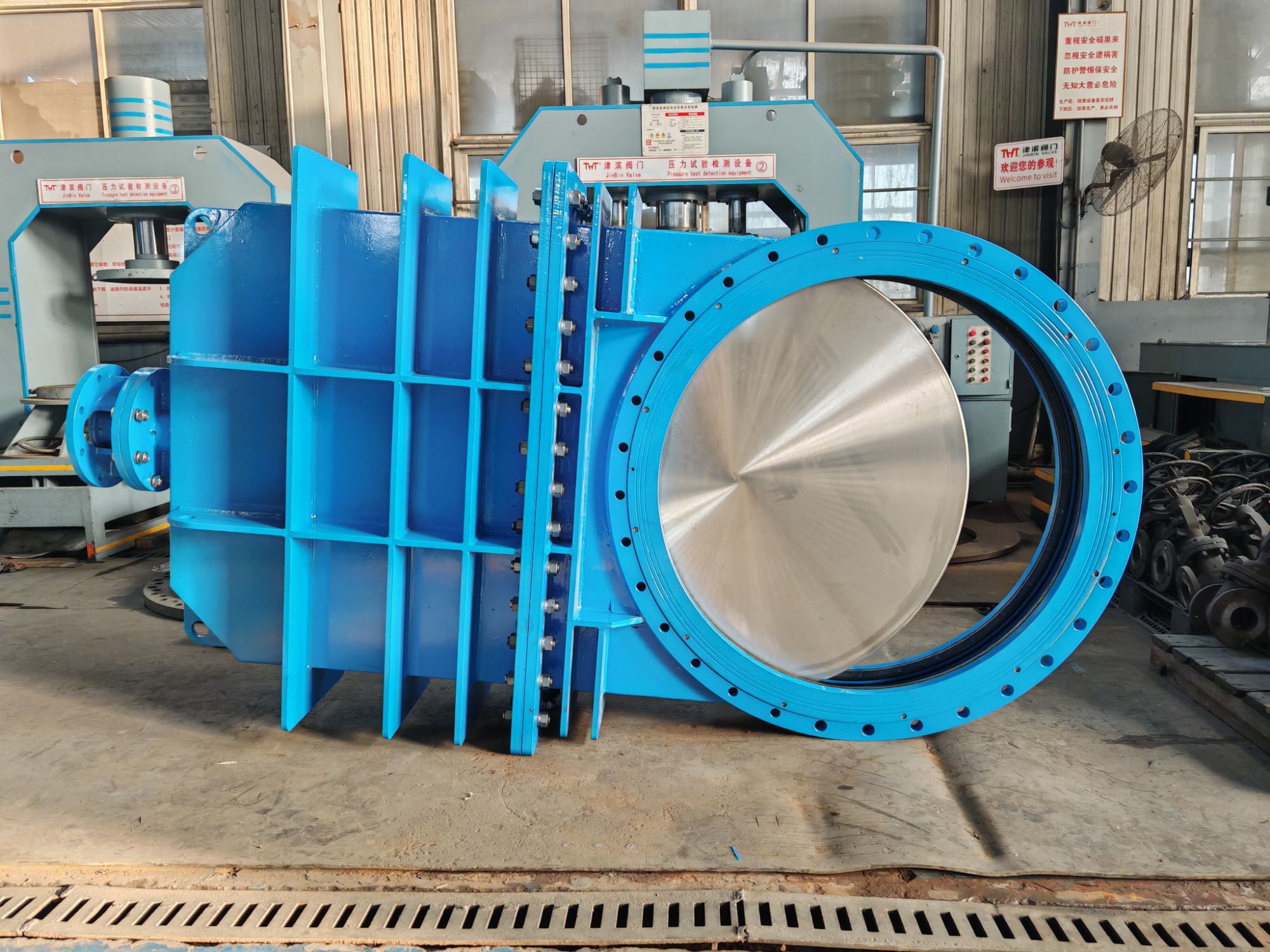
At the heart of a dependable leak-proof shut-off system lies a meticulous interplay of sealing geometries and material science. Engineers often employ dynamic seals that respond to pressure differentials, ensuring that even under fluctuating conditions, the closure remains impermeable. The geometries are not simple flat contacts but rather precision-machined contours—such as conical or spherical seats—that guide the sealing element into perfect alignment, displacing any potential leak paths before they can form.
Beyond physical contact, the shut-off performance is reinforced by strategic use of resilient materials like PTFE-based composites or advanced elastomers, chosen for their ability to deform slightly under load without permanent set. In many designs, a secondary barrier, such as a metal-to-metal backup seal, engages only if the primary soft seal experiences an anomaly. This layered approach is complemented by spring-loaded mechanisms that maintain constant pressure on the sealing faces, compensating for wear and thermal expansion across a wide operating range.
The reliability of these systems is validated through exhaustive test protocols that simulate real-world extremes—thermal cycling, vibration, and particulate contamination. Computational fluid dynamics and finite element analysis aid in predicting seal behavior before physical prototypes are ever built, but the final assurance comes from endurance tests that subject the shut-off unit to hundreds of thousands of cycles. It’s this fusion of predictive engineering and brutal real-world testing that ultimately delivers a shut-off solution users can trust without second thought.
Choosing the Right Blade and Seat Materials for Abrasive Media
Selecting materials for the blade and seat in abrasive media applications isn’t just about hardness—it’s about balancing toughness, corrosion resistance, and the way particles interact with surfaces. Hard metals like Stellite or hardened stainless steel can withstand gouging, but they may crack under high-impact conditions unless properly heat-treated. In contrast, ceramics like alumina offer exceptional wear resistance but shatter if subjected to sudden shocks. The key is matching the material’s fracture toughness to the particle size and velocity of your specific slurry.
Seat materials add another layer of complexity. Elastomers—such as polyurethane—provide excellent resilience and can often outlast metal seats in fine-particle slurries by absorbing energy rather than abrading. But they can swell or degrade in high-temperature or chemically aggressive environments. PTFE seats add chemical inertness but wear quickly when subjected to sharp, angular media. Some of the longest-lasting combinations we’ve seen involve a hard ceramic blade paired with a reinforced elastomer seat, allowing the seat to flex and seal while the blade handles the majority of the wear.
Actual field results often challenge lab-based material rankings. A coal ash handling system, for instance, might perform better with a cheaper ductile iron blade coated in tungsten carbide than an expensive full-ceramic blade if the ash contains occasional tramp metal that could shatter ceramic. Investing in a proper failure analysis of your existing components—or running a side-by-side trial—can uncover nuances that data sheets never reveal.
Why Linear Motion Design Outperforms Traditional Gate Valves
Linear motion valves sidestep the fundamental weaknesses of traditional gate valves by eliminating the sliding friction that causes seat wear and leakage over time. Instead of a gate grinding against the seat faces, a linear mechanism moves a disc or plug perpendicularly into the flow path with minimal contact during operation. This straightforward action not only preserves the integrity of the sealing surfaces but also ensures a more dependable shutoff, even after thousands of cycles.
Another advantage lies in the precision of flow control. Traditional gate valves are designed primarily for on/off service and struggle with accurate throttling, often leading to vibration and erosion when partially open. Linear motion designs, whether in globe or needle configurations, offer a much finer degree of modulation. The stem’s linear travel translates directly to a proportional change in the opening, allowing operators to dial in the exact flow rate without the guesswork, making these valves indispensable in processes that demand tight regulation.
On the maintenance side, the difference becomes even clearer. Gate valves often require complete disassembly to address a leaking stem seal or a damaged seat, resulting in prolonged downtime. Because linear motion valves typically feature top-entry access and self-aligning components, servicing can be performed in-line without removing the valve body from the piping. This design choice not only slashes repair time but also reduces the total cost of ownership, a factor that engineers increasingly prioritize when specifying equipment for critical applications.
Installation Insights That Prevent Field Failures and Downtime
Field failures rarely start with a catastrophic bang; they often trace back to tiny oversights during installation. A misaligned connector, a cable dressed too tightly around a sharp edge, or a sensor calibrated against a hasty assumption—these subtle flaws can quietly degrade performance until a critical system trips offline. When teams capture granular insights from every install, patterns emerge that turn guesswork into predictable outcomes.
Imagine a database that tracks not just what was installed, but the exact torque values, ambient temperatures, and time-of-day recordings when components were seated. Over hundreds of installations, that data reveals which practices reliably prevent stress fractures or signal drift. Instead of a generic checklist, technicians get a living, evidence-based playbook that highlights the steps that truly matter—like leaving a 3-inch service loop in a specific wiring harness because historical data shows it cuts related failure rates by 40%.
The real magic is when insights flow both ways: field issues instantly update the installation protocol for future deployments. If a certain pump model tends to cavitate unless its mounting base is shimmed to within 0.5 degrees, that knowledge gets embedded before the next unit ships. This closes the loop between what happens in the field and how the work is done from day one, slashing unexpected downtime and turning every new install into a smarter, more resilient setup.
Real-World Demands: How Mining and Pulp Industries Rely on Knife Gates
In the thick of a mining operation, slurry isn't just water with a few particles—it's a brutal cocktail of rock fragments, chemicals, and abrasive grit that chews through ordinary valves in weeks. Knife gate valves earn their keep here because they can slice straight through that slurry with a sharp-edged gate that parts the flow and then seals tight against pressure, even when solids have settled. What really sets them apart is the way they handle line shock and continuous cycling without the packing failing; instead of relying on soft seals that get ground down, many designs use a metal seat and a recessed gate that retracts completely out of the flow path, so the valve is either fully open or positively shut. That's not a luxury—it's a necessity when a stuck valve can halt a miles-long slurry pipeline and cost thousands per hour in downtime.
Switch to pulp and paper mills, and you get a different kind of abuse: fibrous stock that mats and clogs, corrosive liquors, and extreme pH swings from alkaline cooking to acidic bleaching. Knife gate valves thrive here precisely because they don't trap fibers. Their through-conduit design means the gate shears any remaining pulp on closure, and the port has no cavities where stock can accumulate and rot. In recovery boiler feed lines or black liquor service, where a leak could trigger a safety disaster, the valve's bidirectional sealing and lantern ring purge options offer a level of certainty that globe or ball valves can't match. It's telling that mill operators often spec knife gates not just for isolation, but for automated on-off control in digester cycles, where the air-driven cylinder shrugs off the stickiness that would seize up a rack-and-pinion actuator. The real-world message is plain: when your process flows are this unforgiving, the choice of valve isn't about specs—it's about survival.
FAQ
A knife gate valve is a specialized on/off valve designed to cut through thick, viscous media like slurries, powders, and wastewater. It has a sharp-edged gate that slides down into the flow path, shearing through solids to create a tight seal. Unlike other valves, it's meant for isolation rather than throttling, and the blade retracts fully into the body when open, minimizing pressure drop.
Knife gate valves excel in harsh conditions where media contain suspended solids or fibers that would clog or damage other valve types. Their slim profile and linear motion allow them to handle heavy slurries without trapping material. Ball and butterfly valves often struggle with abrasion and clogging; knife gate valves cut through debris, offering longer service life in mining, pulp and paper, and wastewater treatment.
You'll find knife gate valves heavily used in mining and mineral processing, wastewater treatment plants, chemical manufacturing, power generation, and the pulp and paper industry. Any process that deals with abrasive slurries, corrosive liquids, or bulk powders will often use these valves because of their durability and ability to maintain a bubble-tight shut-off even in tough environments.
Focus on the media characteristics – abrasiveness, temperature, and chemical compatibility. Then consider the valve body and gate materials (such as stainless steel, cast iron, or specialty alloys), seat design (metal or resilient), and actuation method (manual, pneumatic, electric). Pressure rating, face-to-face dimensions, and the need for bi-directional sealing are also critical. Always match the valve's features to the specific application demands.
Routine inspection of the gate and seat for wear is key. Keep the packing gland properly adjusted to prevent leaks without over-tightening. Flush the valve regularly if handling sticky or solid-laden media. Replace worn components like the gate, packing, or seat rather than waiting for failure. With proper care, these valves can deliver years of trouble-free service, even in aggressive environments.
Yes, their design makes them versatile for both. The sharp gate slices through accumulated solids in slurries and prevents bridging in dry powders. However, for very fine, abrasive dry materials, consider valves with special coatings or hardened gates to combat erosion. Many manufacturers offer models specifically engineered for dry bulk handling, often with features like dust-tight seals.
Cast iron and stainless steel are the most common for bodies, with stainless steel often preferred for corrosion resistance. Gates may be stainless steel, hard-chrome plated, or even ceramic-coated for extreme abrasion. Seats can be metal (hardened steel) or resilient (EPDM, PTFE) depending on the sealing requirements. Special alloys like Hastelloy or duplex stainless are used for highly corrosive chemicals.
Conclusion
In demanding industrial environments where abrasive slurries, thick pulps, or heavy solids must be precisely controlled, knife gate valves have earned a reputation as the go-to solution for reliable flow isolation. Their standout feature is a sharp, wedge-shaped blade that slices through media cleanly, a design that sets them apart from conventional gate valves. This linear motion not only reduces the force needed to close under pressure but also minimizes seat wear, making them ideal for heavy-duty operations. The real engineering leap, however, lies in the leak-proof shut-off: advanced packing systems and reinforced seat seals work together to prevent fugitive emissions and costly product loss, even when handling sticky or fibrous materials. Material selection further elevates their reliability—blades and seats can be tailored from hardened stainless steels, duplex alloys, or coated with wear-resistant tungsten carbide to withstand constant abrasion without compromising closure integrity.
Beyond the valve body, smart installation practices are critical to avoiding field failures. Proper alignment, clean flange faces, and allowing for thermal expansion prevent binding that could lead to premature breakdowns and unscheduled downtime. In real-world scenarios—think of a flotation cell in a mining operation or a blow tank in a pulp digester—knife gate valves prove their worth by isolating flows under extreme pressures and temperatures without jamming. The linear action inherently outperforms old-fashioned rising-stem gate valves by providing quicker, more compact operation and a visual position indicator that reduces guesswork for crews. It is this combination of intelligent design, material science, and field-proven robustness that makes the best knife gate valves the backbone of flow control in industries where failure is simply not an option.
Contact Us
Contact Person: Su Zhang
Email: [email protected]
Tel/WhatsApp: +86-25219206
Website: https://www.tht-valve.com/