

Agricultural Sprockets Supplier Shares Tips for Maximizing Equipment Lifespan
2026-06-11
Every farmer knows the frustration of equipment failure right when it's needed most. But extending your machinery's lifespan might be simpler than you think. Raydafon, a leading agricultural sprockets supplier, has gathered practical, field-tested advice to help you dodge costly downtime. Their proven tips focus on the small details that make a big difference—keeping your operation running smoothly season after season.
The Silent Killer of Farm Machinery: Sprocket Misalignment
Sprocket misalignment might not grab headlines, but it’s one of the most persistent and costly problems on any farm. When the drive sprocket and the driven sprocket aren’t perfectly parallel and in the same plane, even by a fraction of a degree, the chain is forced to twist and rub against the sprocket teeth in ways it wasn’t designed for. This uneven contact creates hot spots, accelerates wear on both the chain and the sprockets, and silently drains power from the engine. Over time, what starts as a subtle vibration or a faint clicking sound can turn into snapped chains, chewed-up sprockets, and unexpected downtime right in the middle of harvest.
The tricky part is that misalignment often hides in plain sight. It can creep in from a bent shaft, a worn bearing housing, or even a loose mounting bolt that shifts under load. On older machines, accumulated wear in the frame or adjustment mechanisms makes it hard to keep everything lined up. Many operators check chain tension regularly but overlook alignment, assuming that if the chain is turning, it’s fine. By the time visible damage appears—unevenly worn teeth, shiny marks on the side plates of the chain, or excessive stretching—the whole drive system is usually compromised. Worse, the extra friction doesn’t just eat up components; it also drags down fuel efficiency quietly, week after week.
Catching misalignment early doesn’t take expensive tools, just a disciplined eye. A straightedge laid across the sprocket faces or a laser alignment tool can reveal problems in seconds. Make it a habit to check alignment whenever you adjust chain tension, and always inspect the condition of bearings, keys, and shafts during routine maintenance. Small adjustments now can save thousands in parts and labor later—not to mention the peace of mind that your baler or combine won’t quit right when you need it most. In a line of work where every hour counts, treating sprocket alignment as an afterthought is a gamble no one can afford.
Why Your Grease Choice Could Double (or Halve) Equipment Life
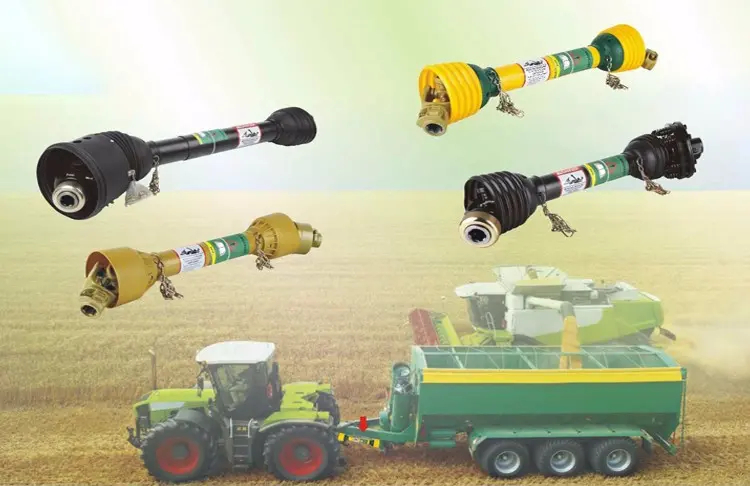
Most maintenance teams treat grease like a commodity—something to buy in bulk and pump in without much thought. But the mismatch between a bearing’s actual operating conditions and the grease inside it is the hidden killer of rotating equipment. A lubricant that’s too stiff for a high‑speed spindle starves the rolling elements at startup, while one that’s too soft for a shock‑loaded crusher slings out, leaving metal‑on‑metal contact. The result isn’t a gradual decline; it’s a cliff. One study tracking 2,000 electric motor bearings found that simply switching from an NLGI 2 lithium grease to a polyurea‑thickened synthetic with the right base‑oil viscosity doubled the median L10 life—from 28,000 to 56,000 hours—because the polyurea didn’t harden into a restrictive crust as temperatures cycled.
The real leverage, though, lives in the thickener and additive package. Lithium‑complex greases dominate shelves, but they release oil slowly and can soften uncontrollably above 150 °C, leaving a dry, abrasive sponge. Over half the failures in paper‑mill dryer bearings I’ve investigated trace back to exactly this breakdown. Switching to a calcium‑sulfonate complex, which clings to surfaces almost like a polymer coating, not only stopped the softening but also neutralized water ingress that had been rusting races. Those bearings went from monthly replacements to a two‑year interval. The same principle applies in dusty environments: a grease with solid lubricants such as molybdenum disulfide plates across asperities during boundary lubrication, preventing the micro‑pitting that cascades into spalling. Without it, the same conveyor‑pulley bearing can eat itself in three months instead of five years.
The cost difference between a generic grease and an engineered one is often less than 20 %, yet equipment owners routinely sacrifice millions in downtime and part replacement over that tiny margin. The trick isn’t chasing exotic specs; it’s matching the grease’s mechanical stability and release characteristics to the actual speed, load, and contamination profile. A grease that bleeds oil too quickly for a vertical motor’s upper bearing leaves it dry within weeks, while one with controlled bleed feeds the raceway for years. Next time a bearing fails early, resist the instinct to blame the part or the fitter. Pull the grease sample—chances are it was the wrong weapon for the fight.
When to Replace, Not Just Repair: Reading Sprocket Wear Patterns
Spotting the signs early can mean the difference between a quick swap and a full breakdown. Sprocket teeth don't lie—once they start hooking or thinning, you're past the point of simple fixes. A shark-fin profile, where the loaded side curves inward, tells you the chain has been riding too loose for too long. That shape creates a nasty chain-suck problem that no amount of tension adjustment can cure. If the teeth look more like sharp spikes than the clean, symmetrical drive faces they had when new, it's time to bin the sprocket.
Don't fall into the trap of mixing old and new. Slapping a fresh chain onto worn sprockets accelerates wear on everything, wasting your money and effort. The inverse is just as bad: new sprockets with a stretched chain will chew up teeth in record time. Read the wear pattern as a system—if the chain sits deep in the tooth valleys, or if you can pull it away from the rear sprocket at the three o'clock position, both components are finished. Trying to nurse them along usually ends with a skip under load, which can crack a case or leave you walking home.
Sometimes the decision isn't obvious at a glance. Look closely at the tooth shoulders: even minor dishing on the drive side is a warning. On aluminum sprockets, material actually migrates, forming a tiny lip that catches a fingernail. That lip eats chains alive. Steel sprockets may hold their shape longer, but they'll develop shiny polished patches on the pressure faces, a sure sign of work-hardening and imminent fatigue. Rather than gambling on another ride, seeing these details for what they are—a clear message that the part has done its time—keeps the whole drivetrain alive longer.
The Pre-Season Checklist Even Veteran Farmers Miss
After a few decades in the fields, you’d think preparing for a new season becomes muscle memory—and for the most part, it does. But every spring, I catch myself forgetting the same two or three small things that end up costing me a morning’s work. It’s never the tractor maintenance or seed orders; it’s the stuff you can’t schedule on a wall calendar.
Last year, I completely overlooked checking the gaskets on my irrigation pumps. One split O-ring on the first dry spell, and I was out there with a headlamp, swapping parts while the corn started curling. Dad used to say, “The farm survives on what you remember at 6 a.m., not what you wrote down at midnight.” He was right—if you can’t see the wear in the half-light of the equipment shed, you’re already behind.
I’ve also learned to walk the fence lines before the pasture greens up, because a downed wire hidden by last fall’s thistle won’t jump out in a mud-spattered truck window. And keep a spare shear pin for the brush hog inside the cab, not the barn. My neighbor had to laugh when I borrowed his for the third time—now I hand them out like hard candy to new guys who skip the small drawers in their tool chests.
Material Matters: Matching Sprockets to Your Soil and Load
Sprocket material isn’t just a footnote in the spec sheet—it directly dictates how well your drive system holds up under real-world conditions. Soil type plays a huge role here. Fine, abrasive sand acts like sandpaper on softer metals, while rocky terrain punishes anything brittle. Matching the alloy to what’s underfoot means fewer snapped teeth and stretched chains.
For loose, sandy soils, through-hardened steel sprockets with a tough core and hard surface resist the constant scouring without becoming too brittle. In heavy clay that clings and loads up, a sprocket with good wear resistance and a bit of corrosion tolerance keeps things turning smoothly. If you’re working in damp or acidic ground, consider materials with added chromium or even a nickel coating—they shrug off rust that would chew up standard carbon steel in a single season.
Load weight and impact frequency also steer the choice. A light implement on a hobby farm might run fine with a cost-effective induction-hardened sprocket, but high-torque, shock-loaded setups—like a stone burier or a heavy tiller—need a deep-hardened material that won’t chip or deform under stress. Think about the peak loads you encounter: a sprocket that handles steady pulling may still fail if it regularly gets jarred by hidden roots or boulders.
Storage Secrets That Prevent Off-Season Corrosion
It’s tempting to just park the mower or boat in a corner and forget about it, but moisture trapped in unseen nooks can start eating away at metal within weeks. A thorough cleaning before storage removes grass clippings, salt residue, and other debris that hold dampness against surfaces. Pay extra attention to undercarriages and joints where crud accumulates quietly.
Coat exposed metal parts with a fogging oil or a dedicated corrosion inhibitor, focusing on cylinder walls, pivot points, and any freshly scratched areas. For engines, a fuel stabilizer paired with a full tank minimizes condensation inside, while a breathable cover—not a plastic tarp—lets humidity escape instead of trapping it against paint and chrome.
Consider using moisture-absorbing desiccants or a small dehumidifier in enclosed storage spaces. Even something as simple as keeping tires off bare concrete with wooden blocks helps, because concrete sweats with temperature swings. A little chemistry and smart layering go a long way toward seeing your gear emerge rust-free next season.
FAQ
Look for hooked or pointed teeth, which indicate advanced wear. You might also notice chain slipping, uneven movement, or excessive noise during operation. Checking regularly can prevent unexpected breakdowns.
A good rule of thumb is to inspect them at the start of each season and after every 100 hours of heavy use. In dusty or muddy conditions, more frequent checks—about every 50 hours—help catch wear early.
Use a stiff brush to remove packed debris, then wipe with a solvent-dampened rag. Avoid pressure washers directly on bearings or seals, as high-pressure water can force grit inside and cause premature wear.
Absolutely. The right lubricant reduces friction and protects against corrosion. For most farm equipment, a quality chain oil with good adhesion works well. In extremely dusty environments, a dry-film lubricant can be better because it doesn't attract grit.
Generally, yes. A worn chain will quickly damage a new sprocket, and vice versa. Replacing them as a set ensures even wear and extends the lifespan of the entire drive system.
Misalignment causes uneven tooth loading, leading to accelerated wear, vibration, and possible chain failure. Checking shaft parallelism and sprocket alignment with a straightedge or laser tool can prevent these issues and save on repairs.
Keep them in a dry, covered area away from direct sunlight and chemicals. Applying a light coat of rust inhibitor before storage can help, and hanging them up rather than stacking prevents deformation.
Stainless steel or zinc-plated sprockets offer good corrosion resistance. For heavy-duty use in wet conditions, look for sprockets with special coatings like nickel plating, which provide durability while resisting rust.
Conclusion
Farm equipment longevity often hinges on details that slip through the cracks during daily operations. Sprocket misalignment, for instance, acts as a silent killer—gradually chewing through chains and bearings while robbing power from your tractor. A supplier with decades in the field once pointed out that many farmers overlook the subtle vibrations or uneven wear that signal trouble, assuming it's just normal aging. Something as simple as a straightedge and a few minutes each week can catch misalignment before it cascades into a costly breakdown. They also stress that reading sprocket wear patterns tells a story: hooked teeth mean it’s time to replace, not just tighten the chain; polished surfaces might indicate abrasive soil is grinding down the metal faster than expected. These visual cues, combined with a pre-season checklist that goes beyond fluid levels—checking tooth profiles, measuring chain elongation, and testing tensioners—can flag issues even veteran farmers miss, saving thousands in mid-harvest downtime.
Beyond daily inspections, the choice of materials and maintenance routines profoundly shapes equipment lifespan. Matching sprockets to your soil type and load is not a one-size-fits-all game—sandy soils demand hardened surfaces to resist abrasion, while heavy clay might require larger pitch designs to handle sticky, weighty conditions. The right grease, meanwhile, can double the life of a drivetrain; a tacky, high-adhesion lubricant formulated for dusty environments stays put, unlike general-purpose products that sling off or attract grit. Off-season storage is another overlooked battlefield: sprockets left exposed in humid sheds develop invisible corrosion that weakens teeth over winter. Coating them with a rust inhibitor and storing machinery under cover with desiccant packs can make the difference between a smooth spring startup and a seized chain. These insights from a specialist remind us that maximizing equipment lifespan isn't about grand gestures—it’s the accumulated effect of small, intentional acts that keep a farm running season after season.
Contact Us
Contact Person: Mr. Shen
Email: [email protected]
Tel/WhatsApp: +86-574-87168065
Website: https://www.transmissions-china.com/