

Top Steel Pipe Tower Dealers You Can Rely On for Quality
2026-11-02
Not all steel pipe tower dealers are created equal—some promise quality, but few deliver. If you're tired of sifting through vague specs and empty guarantees, this guide is for you. Among the names worth knowing, Anbang has earned a reputation for consistent, reliable builds.
The Quiet Signals That Reveal a Trustworthy Steel Pipe Tower Dealer
A dealer worth your time rarely leads with the hard sell. Instead, you notice how they answer questions about mill certificates, weld procedures, and galvanizing thickness without shuffling papers or promising to "get back to you." The quiet signals are in the details: a quick, confident reply about zinc coating microns, a willingness to show batch test reports before you ask, and a warehouse team that marks each bundle with heat numbers rather than vague labels. Those habits don't come from a sales script; they come from years of handling material that has to stand in wind, ice, and sun.
Another signal hides in how they handle problems. Ask about a past order that arrived with bent flanges or delayed shipment, and watch the reaction. A trustworthy dealer won't pretend it never happens. They'll describe the rectification process, the cost they absorbed, and the change they made afterward. It's that unforced honesty about small failures that tells you more than a dozen polished references. When someone can name the exact yard where a load was re-strapped, you're not talking to a middleman guessing at logistics.
Finally, trust shows up in what they don't say. They don't trash competitors by name, don't inflate load ratings, and don't push a standard tower design when your soil report suggests otherwise. They might even suggest a smaller pipe diameter or a different flange pattern that earns them less money. That quiet restraint is rare, but it's the clearest marker of a dealer who expects to still be answering your calls in ten years, not just until the invoice clears.
What Actually Happens When Quality Gets Overlooked
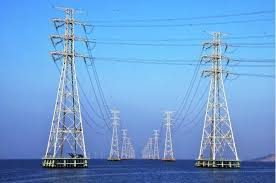
At first glance, skipping a careful review or choosing the cheaper component seems like a minor shortcut. But the real cost shows up later, often in ways nobody connected to the original decision. A batch of mislabeled parts reaches the assembly line, and suddenly three teams spend a week tracing an intermittent fault that only appears under load. The budget saved on inspection gets burned ten times over in rework, expedited shipping, and customer callbacks.
Over time, the pattern hardens into something worse than a single failure. Teams stop trusting the incoming materials, so they add their own informal checks. Engineers over-design every bracket and connector, fearing the next batch will be weaker. The original elegance of the product disappears under layers of defensive padding. What began as a quiet tolerance for “good enough” becomes a workplace where nobody believes the spec sheet, and every deadline carries a hidden tax of uncertainty.
The most telling sign is how people talk about the work. Instead of debating how to make something better, they argue about what counts as acceptable. Field returns are normalized, warranty costs are buried in overhead, and the phrase “we’ll catch it next time” repeats until next time becomes the only time they have. Quality doesn’t vanish in a dramatic collapse; it erodes through a thousand small concessions, each one reasonable on its own, together leaving a product that works but never quite feels right.
Inside the Sourcing Habits of Successful Project Managers
Top performers rarely treat sourcing as a reactive scramble. They maintain a running list of trusted vendors, freelancers, and internal contacts long before a project kicks off, so when a gap appears they already have two or three viable options. This habit isn't about hoarding contacts; it's about keeping relationships warm through occasional check-ins, sharing useful leads, and paying attention to who delivers consistently under pressure.
Another pattern is their preference for small, low-risk trials over glossy capability statements. A successful project manager will often hand a new supplier a narrow, well-defined task to see how they communicate, handle revisions, and meet a tight deadline. If that pilot goes smoothly, the relationship expands. If not, the cost of finding out is minimal and the manager has gained a clearer picture of the supplier's real working style.
Negotiation habits also set them apart. Rather than pushing for the lowest possible price, they focus on response times, escalation paths, and flexibility when requirements shift mid-project. They know that a slightly higher rate from a source who can adjust on short notice is often cheaper than a low bid that stalls the entire timeline.
Red Flags That Experienced Buyers Never Ignore
A vehicle history report only tells you what's been reported. Smart buyers look beyond the paperwork and focus on physical evidence that contradicts the odometer. Worn pedal rubber, a shiny steering wheel rim, and faded seat bolsters on a car claiming under 40,000 miles are immediate giveaways. Experienced buyers also check the VIN sticker on each major body panel—misaligned or missing stickers often mean a replacement part that never made it into the history report.
During a cold start, listen for a brief rattle that fades as oil pressure builds—that's often timing chain wear on direct-injection engines, a repair that can cost thousands. On the test drive, accelerate hard from low RPM in a high gear; any hesitation or shudder points to fuel delivery or ignition problems hiding under normal driving. And never ignore a transmission that lingers before engaging reverse or shifts with a soft thud when warm. Those are habits, not character traits, and they rarely improve with time.
Run your fingers along the inside edges of the front fenders and hood. Factory seams are smooth and consistent; repaired panels often have a slight lip, uneven paint texture, or overspray on rubber trim. Check the gaps between doors and fenders—if one side is visibly tighter than the other, the car has likely been apart. A cheap repaint can hide rust for a year, but a body line that doesn't flow continuously under the side mirror is a red flag no amount of polish can erase.
Why the Best Dealers Talk About Failure Rates, Not Just Specs
Walk into any showroom and you'll get a spec sheet shoved in your face—horsepower, torque, payload, maybe a fancy infotainment diagram. But the dealers who actually keep customers coming back don't stop there. They'll tell you, straight up, that a certain transmission has a 3% failure rate in the first 50,000 miles, or that a particular hydraulic pump tends to leak after two years of hard use. It sounds counterintuitive—why would anyone volunteer bad news? Because the moment you admit a product isn't perfect, you stop sounding like a salesperson and start sounding like an engineer who's actually seen these machines break.
Specs are static numbers pulled from a brochure. Failure rates, on the other hand, come from real-world repair logs, warranty claims, and the shop floor. A dealer who quotes both shows they've done the homework: they know which components hold up under heavy loads and which ones bite customers later. That kind of honesty saves buyers from costly surprises. It also filters out the tire-kickers who only care about peak numbers—those folks end up at the big-box retailer down the road, while the serious buyers stick around.
And here's the thing: failure rates aren't just about scaring people off. They're a signal of confidence. If a dealer tells you a certain model has a below-average failure rate in the engine but an above-average rate in the electronics, they're not trying to hide the weak spot—they're telling you exactly where to pay attention, maybe even steering you toward an extended warranty on that specific system. That level of transparency builds trust faster than any polished brochure ever could. Next time you're comparing dealers, skip the ones who only rattle off specs. Find the one who'll talk about what breaks—and why.
A Practical Checklist for Vetting Your Next Tower Supplier
Walking the factory floor tells you more than any spec sheet ever will. Watch how the steel is handled, whether the welding stations have proper jigs, and if the galvanizing line runs continuously or only when an order lands. A supplier who keeps raw material inventory sorted by heat number and documents every batch is usually the one who won't cut corners when you're not looking. Ask for a tour without advance notice—if they hesitate, that's your first red flag.
Delivery promises mean little without a track record of hitting them during peak demand. Call a couple of their existing clients, not just the references they hand you, and ask about late shipments, rushed fixes, or missing documentation. Look beyond the glossy case studies: check how they handled a project that went sideways. A tower supplier that openly shares both wins and mistakes, then walks you through their corrective actions, is far more valuable than one that only talks about perfect outcomes.
After-sales support often gets ignored until a tower is standing in a field with a cracked flange or a wrong bolt set. Send a test inquiry before signing anything—ask a technical question about load calculations or foundation compatibility and see how long it takes to get a substantive answer. The speed and depth of that reply will mirror how they'll behave when you're on a deadline. A supplier who treats your pre-sale questions as an annoyance will not magically become responsive after the invoice clears.
FAQ
Ask for their in-house inspection logs and third-party test certificates from the last three projects. Consistent quality shows up in small details like uniform weld profiles, clean cut ends, and coating thickness that stays within the specified range across every batch.
Most established dealers handle communication monopoles, transmission line poles, substation gantries, and small wind turbine towers. Some also provide custom tapered or telescopic poles for lighting and traffic signals.
You will often see S355J2, Q355B, or ASTM A572 Grade 50 used for the main shafts, while flanges and base plates may use S235 or A36. A trustworthy dealer should confirm the exact grade and supply mill certificates for every heat number.
It creates a bonded zinc layer that protects the steel even where small scratches occur during transport or erection. Reliable dealers specify a minimum coating thickness, usually 85 microns or more, and can provide thickness readings from both inside and outside the pole.
Yes, many work directly with structural engineers to adjust pole heights, wall thickness, flange patterns, and davit arm positions. The key is whether they produce detailed shop drawings for approval before cutting any steel.
You should expect clear documentation, quick replacement of damaged ancillaries like bolts or climbing steps, and technical advice on foundation templates or erection sequences. A good dealer treats the handover as the start of the relationship, not the end.
Normalize the offers by material grade, zinc coating thickness, base plate dimensions, and included accessories such as anchor bolts and lightning rods. The lowest price often hides thinner walls or lower-quality coatings, so ask for a line-by-line breakdown.
Conclusion
The difference between a dependable steel pipe tower dealer and a costly mistake rarely announces itself in brochures. It shows up in the quiet signals: a vendor who remembers your soil conditions from a phone call months ago, who sends inspection reports without being chased, and who asks about load calculations before quoting a price. Trustworthy dealers operate like engineers first and salespeople second. They talk about wind zones, galvanization thickness, and bolt torque values because they know a tower is only as good as the least inspected connection. Too many buyers learn this after the fact—when a shipment arrives with inconsistent wall thickness, or when a tower in the field develops hairline cracks within two seasons. Quality overlooked is never a single dramatic failure; it is a slow bleed of maintenance hours, unplanned downtime, and reputation damage that no discount ever offsets.
Successful project managers do not gamble on vendor promises. They build sourcing habits around failure rates, not just spec sheets. They ask to see third-party test data for base plate welds. They visit the coating line. They check how a dealer handles non-conformance reports—because a supplier who hides a failed ultrasonic test today will hide a cracked flange tomorrow. Experienced buyers keep a short mental list of red flags: vague delivery dates, sudden price drops after a competitor quote, reluctance to share mill certificates. The best dealers volunteer this information before you ask. They understand that a tower carrying telecom equipment, power lines, or surveillance systems bears more than physical weight—it carries responsibility. Vetting a supplier is not a formality; it is a discipline. A practical checklist helps: confirm material traceability, inspect weld samples under load, verify corrosion testing standards, and always ask how many towers they have replaced under warranty. When a dealer can answer that last question calmly and with data, you have found the quiet signal that matters most.
Contact Us
Contact Person: antor khan
Email: [email protected]
Tel/WhatsApp: 8613863903569
Website: https://www.qdabtower.com/