

Top 10 Screen Printing Label Manufacturers: Who Leads the Industry?
2026-11-02
Labels are one of those things you don't think about until they fail. A smeared logo or peeling tag can undo months of brand building. That's why the screen printing label manufacturers worth watching aren't just vendors—they're problem solvers. This rundown of the top 10 players looks beyond marketing fluff to see who actually delivers consistent quality, tight tolerances, and on-time output. Among them, Xinsen stands out for readers wanting a supplier that pairs craftsmanship with real production capacity.
The Quiet Giants Behind Iconic Label Designs
Most people see a wine label or a craft beer can and think only of the liquid inside. Yet the real magic often happens in small, cluttered studios where a handful of printmakers and typographers have spent decades perfecting the subtle art of paper choice, embossing depth, and ink coverage. These are the quiet giants: firms whose names rarely appear on the bottle but whose fingerprints are all over the shelves.
They work with century-old letterpress machines and hand-mixed pigments, rejecting the flat look of digital-only production. A slight raise in the foil, a particular grain in the cotton stock, a color that shifts under bar lighting—these details are never accidental. They come from people who treat label design as tactile storytelling, and their quiet influence shapes what consumers perceive as quality long before the first sip.
Why Some Screen Printers Charge Double and Earn It
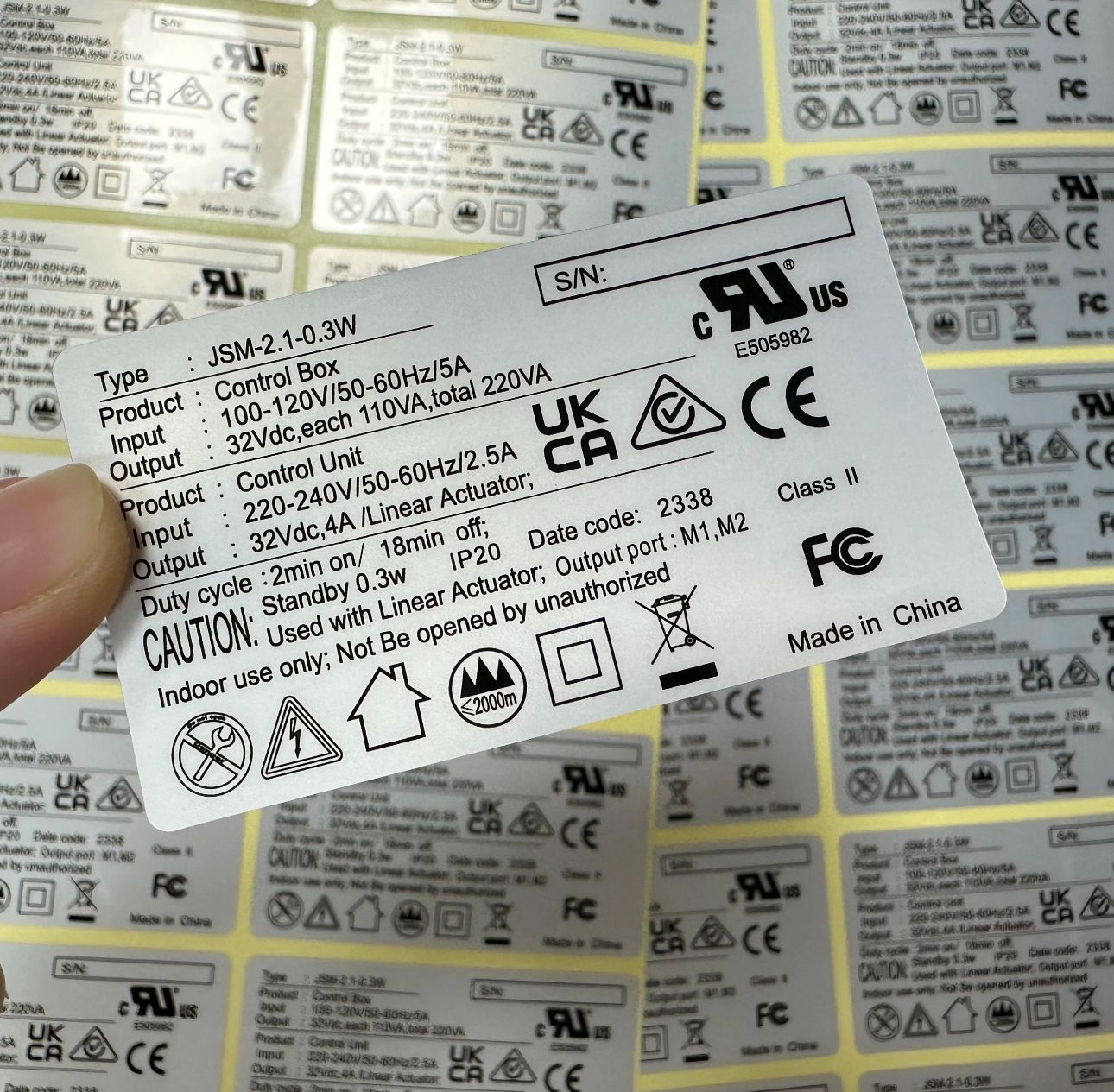
The higher price tag often comes down to what you can't see in a quick photo of the finished shirt. Shops that charge double typically run tighter screen tensions, use higher-grade emulsions, and actually replace squeegee blades before they round off. That means a print with crisp edges on the first shirt and the five-hundredth, not just on the sample they photographed for Instagram.
There's also a refusal to cut corners on underbasing. A cheap printer will hit a dark garment with one layer of plastisol and call it done. The expensive ones will print a smooth, properly flashed underbase, then top it with a second pass using a finer mesh. The result is a print that feels soft but still holds color after fifty washes. You're not paying for the ink; you're paying for the extra setup time, the patience, and the willingness to throw out a dozen test prints before the job is right.
Then there's the customer experience. Printers who charge double usually have a minimum order quantity, a clear production schedule, and enough margin to actually answer emails within an hour. They aren't juggling fifteen jobs a day at rock-bottom prices, so your order gets their attention. When a mistake happens—and it always can—they have the cash buffer to reprint the whole run without arguing about who's at fault. That's what the extra money buys: not just a shirt, but a process you don't have to babysit.
The Craftsmanship Edge That Machines Can't Copy
There is a quiet argument for imperfection that no algorithm has managed to win. A craftsman's hand leaves behind a slight asymmetry in the grain, a minuscule waver in a stitch, or a subtle variation in glaze that feels less like error and more like evidence of attention. Machines chase repeatability, but the human touch introduces what can only be called character. It is the difference between a row of identical doors and one whose hinge was eased by feel until it closed with a particular, almost inaudible sigh.
This edge is not about nostalgia or resisting progress. It rests on the fact that material resists standardisation. Wood swells with weather, leather softens unevenly, and clay remembers the pressure of a thumb. A skilled maker reads these shifts in real time, adjusting pressure, angle, or rhythm in ways that no sensor array fully captures. The result is an object that carries decision-making within it, not just a set of instructions executed flawlessly.
Perhaps most telling is how such work ages. Machine-made items tend to fail in obvious ways: a seam splits, a circuit dies, a surface scratches uniformly. Crafted pieces, by contrast, develop a patina that tells a story. The wear marks around a handle, the fading on a chair arm, the deepened crease in a boot all map use and care. That dialogue between maker, material, and owner is something no production line can replicate, because it is not built once but continues to be written long after the making ends.
From Boutique Studios to Industrial Powerhouses
The shift from a boutique studio to an industrial powerhouse rarely feels like a simple upgrade. In the early days, every piece that leaves a small workshop carries fingerprints—a slight variance in the finish, a hand-tuned component, a story told over the workbench. These studios thrive on scarcity and personality. Customers don't just buy a product; they buy a relationship with the maker and the quiet confidence that no one else on the block owns exactly the same thing. The very limitations of space, staff, and tooling become part of the charm.
But growth has a way of knocking. When demand outpaces what a handful of artisans can produce in a month, the boutique model starts to strain. Orders pile up, lead times stretch from weeks to months, and promising opportunities slip away because there simply isn't enough output. That's when the difficult decision emerges: scale up or stay small. Moving into industrial production means investing in automated lines, standardized components, and a supply chain that can feed a much larger beast. What's gained is reach—lower costs per unit, faster turnaround, and the ability to stock shelves in markets that once seemed impossibly distant.
The real challenge isn't building the factory; it's deciding what to keep from the studio days. Industrial powerhouses that succeed in this transition often preserve a sliver of their original ethos—a signature material, a final quality check by a human eye, or a limited-run series that pays homage to the workshop. Others lose that thread and become just another brand in a crowded catalog. The balance is delicate: too much handcrafting defeats the purpose of scale, while too much standardization erases the reason customers fell in love in the first place. The best transformations treat the boutique past not as a stepping stone to discard, but as the soul that still guides every decision on the factory floor.
What a Decade of Label Orders Teaches About Reliability
Ten years of label orders might sound like a narrow slice of the industrial world, but it's actually a clean window into how reliability plays out in practice. When you track thousands of orders for labels—whether for food packaging, chemical drums, or durable goods—you start to see patterns that don't show up in a single quarter. The most consistent finding? The suppliers who survived the decade weren't the cheapest or the fastest. They were the ones who treated each repeat order as a test they couldn't afford to fail, because one misprinted barcode or wrong adhesive cost their customer a production line shutdown.
What emerges from a decade of data is a quieter kind of reliability, the kind that lives in the unglamorous details. Adhesive that holds through a cold chain without peeling. Ink that stays legible after six months under UV light. Order confirmations that match the spec sheet exactly, every single time. Companies that got this right didn't rely on heroics or last-minute inspections. They built checkpoints into the workflow that caught drift before it became a recall. And when a problem did surface—because problems always surface—the reliable suppliers were the ones who called you before you noticed, with a correction already in motion.
The decade also teaches a harder lesson: reliability isn't static. A label that worked perfectly in 2015 might fail on a new compostable film in 2022. The suppliers worth keeping were the ones who treated reliability as a moving target, quietly updating adhesives, print methods, and testing protocols without making a fuss. Their order history reads like a slow, steady improvement curve—fewer complaints each year, tighter tolerances, more proactive updates. In an industry where a single label issue can halt a production line or trigger a regulatory hold, the real differentiator wasn't innovation theater. It was the unglamorous ability to deliver the same correct label, ten thousand times in a row, and adapt only when the substrate changed underfoot.
The Unexpected Regions Leading Screen Label Innovation
When most people picture the cutting edge of screen label technology, their minds jump to Silicon Valley, Seoul, or Shenzhen. Yet the real sparks are flying in places that rarely make the front page of tech blogs. Consider the cluster of small workshops in Portugal's Norte region, where a handful of firms have spent the last decade perfecting ultra-thin, flexible adhesive labels that survive temperatures from freezing warehouses to scorching automotive dashboards. Their secret isn't a single breakthrough but a stubborn refusal to accept that a screen's edge can't be both beautiful and brutally functional.
Meanwhile, across the Baltic, Estonia's legacy in digital infrastructure has quietly spilled over into physical media. A startup in Tartu is using laser-etching techniques borrowed from optics labs to print micro-text on glass screen borders—labels readable only under magnification, designed for anti-counterfeiting in high-end electronics. This isn't the work of a multinational with a billion-dollar R&D budget; it's a twelve-person team experimenting with repurposed medical imaging equipment. Their prototypes have already caught the attention of European watchmakers and medical device manufacturers.
Then there's the dusty industrial belt outside Monterrey, Mexico, where screen label production has become a masterclass in resilience. Local engineers there developed a water-based adhesive that releases cleanly from recycled glass, solving a problem that had bedeviled e-waste processors for years. What unites these regions isn't size or fame—it's a willingness to treat screen labels not as an afterthought, but as a component deserving of the same obsession as the chips they border.
FAQ
A handful of established players like Avery Dennison, CCL Industries, and Multi-Color Corporation consistently dominate due to their global reach, R&D budgets, and ability to handle massive multi-plant contracts. They aren't just printers; they offer supply chain integration that smaller shops can't match.
True screen printing specialists still win on ink opacity, durability, and tactile finishes. Digital excels at short runs and variable data, but screen printing remains the go-to for metallic inks, Braille dots, and labels that must survive chemical exposure or outdoor UV for years without fading.
Polyester, polycarbonate, and vinyl films are the workhorses. They hold screen ink well and resist abrasion, moisture, and temperature swings. For ultra-durable needs, anodized aluminum or brushed metal substrates are also common in rating plates and equipment tags.
Ask about their inspection protocol for ink adhesion, color consistency, and die-cutting accuracy. Top manufacturers will run automated vision systems and pull samples at set intervals, not just at the end of a run. A red flag is any shop that can't explain how they handle a rejected batch before it reaches your loading dock.
Yes, screen setup charges and minimum order quantities can sting if you need frequent design changes. Also, special-effect inks—like high-build, glow-in-the-dark, or conductive—add cost per color. Shipping oversized sheets before die-cutting can further inflate freight if the manufacturer isn't local.
Sustainability pressure is pushing manufacturers toward water-based and UV-curable inks that reduce solvent emissions. There's also a push for thinner film stocks that still maintain durability, plus growing demand for smart labels with integrated RFID or NFC layers that screen printing can accommodate through conductive inks.
By owning a niche—think ultra-high-build tactile labels for appliance control panels or short-run durable tags for custom motorcycle builders. Smaller shops can often turn quotes and prototypes faster, and they build closer relationships with clients who feel lost in a global supplier's queue.
Conclusion
The screen printing label industry rarely makes headlines, yet its top players shape the look of everything from craft beer cans to high-end cosmetics. These quiet giants operate behind the scenes, often running multi-shift operations that blend old-school squeegee work with precision registration systems. The best among them charge double because they earn it: their ink laydown is thicker, their color matching is obsessive, and their edge definition survives wash cycles that cheaper labels can't. Machines can replicate speed, but the tactile snap of a well-pulled screen print—where the ink sits slightly proud of the substrate—remains a human skill. Boutique studios still exist alongside industrial powerhouses, and both have a place in the top ten, because clients need everything from 500 hand-finished tags to 5 million uniform decals.
A decade of tracking label orders reveals a simple truth: reliability wins over flashy marketing. The manufacturers that keep their position don't just deliver on time; they remember your past Pantone choices, flag potential substrate issues before you do, and quietly adjust tension on their screens to avoid mid-run drift. Meanwhile, the unexpected regions leading innovation aren't the traditional print hubs—places like Portugal, Slovenia, and Thailand have built reputations for combining low-cost labor with a deep respect for craft. The true leaders of the industry are those who understand that screen printing is not a dying art but a niche where precision, patience, and the willingness to get ink under your fingernails still matter. They don't shout about it. They just print labels that make other brands look good.
Contact Us
Contact Person: Yara
Email: [email protected]
Tel/WhatsApp: +86 13505426090
Website: https://www.qdxspack.com/