

Tissue Converting Equipment Factory Best Practices for Efficient Production
2026-11-02
Most tissue converting lines don't fail from lack of speed—they fail from small, repeated losses that nobody fixes because they look normal. This post walks through the factory practices that turn those losses into profit, and why investing in reliable equipment like DAXIN is the first step toward a line that runs the way it should.
Fine-Tuning Rewinder Settings for Higher Output Without Extra Wear
Adjusting the rewinder's tension control often delivers the quickest gains in throughput. Most operators run tension too high out of caution, which forces the motor to work harder and accelerates roller surface wear. Backing off just 10–15% from the default setting can reduce drag enough to pick up an extra two or three rolls per shift without risking web flutter or edge misalignment.
Acceleration and deceleration ramps are another overlooked lever. Short, aggressive ramps save a few seconds per cycle but hammer the core chucks and bearings. Lengthening the ramp by half a second spreads the load, and pairing it with a soft-start feature keeps the web taut without snapping. The result is a smoother handoff at splice points and measurably less wear on the dancer arm pivots.
Finally, revisit your diameter calculation settings. If the rewinder is using a fixed linear speed instead of a true surface-speed curve, the motor constantly corrects itself, generating heat and wasting torque. Switching to a diameter-based profile with a slight taper at the roll's outer third lets the machine run closer to its continuous rating. You'll see higher average output over a full shift because the drive isn't derating from thermal stress.
Changeover Checklists That Eliminate Guesswork Between Product Runs
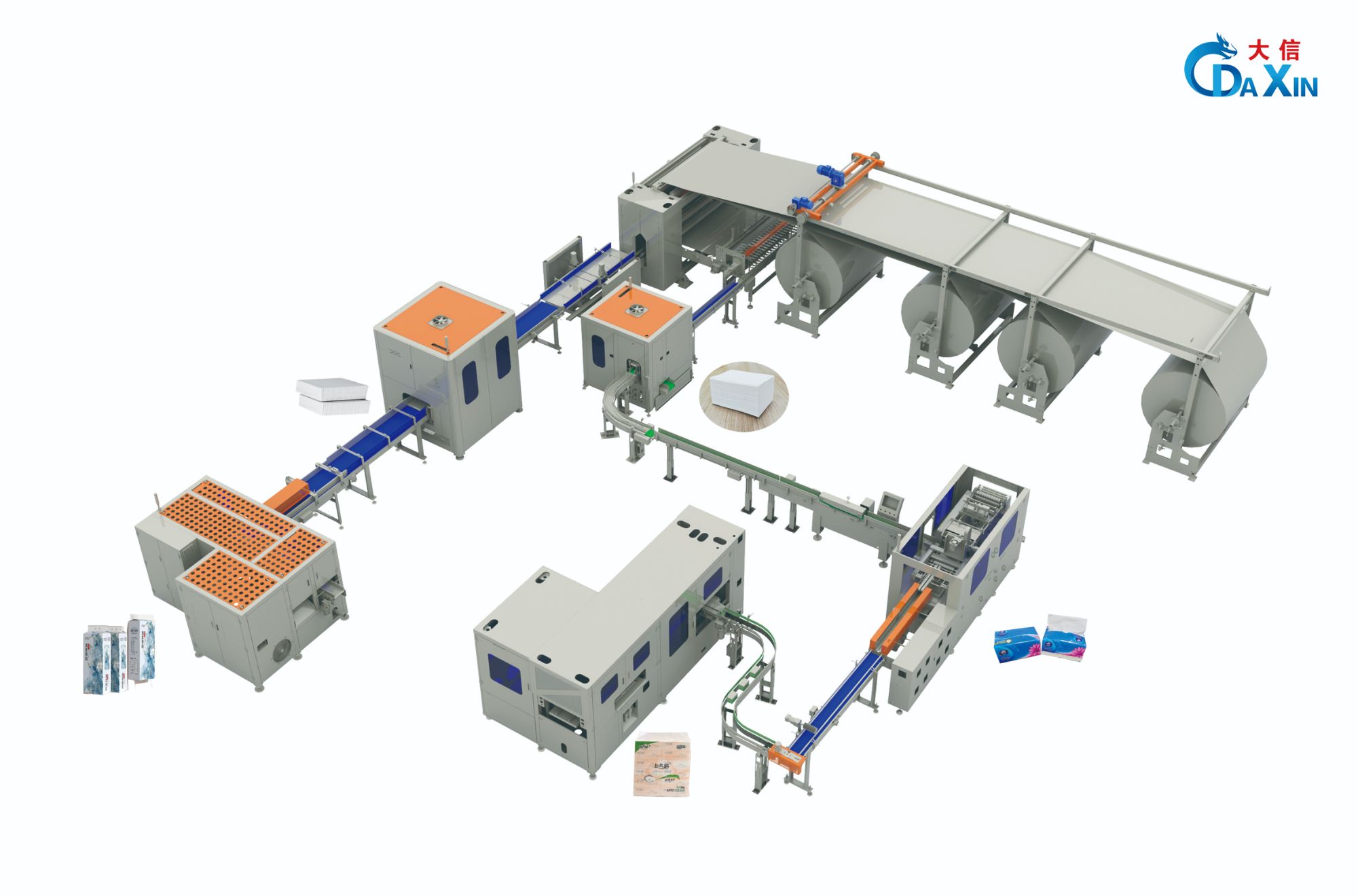
Most changeover mistakes happen because operators rely on memory or tribal knowledge. A written checklist removes that variable by spelling out each step, from line clearance to first-piece approval. When the sequence is visible, there's no need to guess whether a sensor was recalibrated or a hopper was emptied.
The real value shows up under pressure. Tight schedules push people to skip steps, but a physical or digital checklist forces a pause at the right moments. Teams that use them consistently report fewer cross-contamination incidents and shorter startup times after a product switch.
To get the most from a changeover checklist, make it specific to each line and product family. Review it after every run to capture what actually happened, not what should have happened. That keeps the list alive and relevant instead of becoming another ignored form.
Real-Time Sensor Alerts That Stop Jams Before They Escalate
A minor slowdown at a merge point or transfer belt can turn into a full stoppage if nobody notices for a few minutes. Real-time sensors placed at accumulation zones, curves, and discharge points watch for the early signs—belt slip, a slight drop in speed, rising motor current—and flag them before boxes start backing up.
Instead of waiting for someone to check a dashboard, these alerts go straight to the line supervisor’s phone, a wearable, or a local display. The message includes the exact location and the likely cause, so a quick nudge or speed adjustment can relieve pressure while the issue is still small.
Over time the system learns the normal rhythm of each section and only triggers when a pattern deviates enough to matter. That cuts false alarms and builds trust, making the alerts a practical tool rather than another noisy notification stream.
Operator-Led Maintenance Windows That Reduce Unplanned Stops
Giving operators ownership of short, scheduled maintenance slots turns routine checks into a rhythm that catches wear before it becomes failure. Instead of waiting for a breakdown alert, teams use these windows to inspect belts, lubricate fittings, and tighten fasteners based on what they actually hear and feel during their shift. The result is fewer surprise halts, because small fixes happen during planned pauses rather than in the middle of a production run.
What makes this approach stick is that it fits into the natural ebb and flow of daily work. A ten-minute window after a batch change, or a fifteen-minute pause before lunch, becomes the standard time to address the subtle drift in temperature or the slight vibration that only a regular operator would notice. By tying maintenance to the operator's own observations, unplanned stops drop dramatically, and the line keeps moving with far less firefighting.
The shift also changes how teams talk about equipment health. Instead of maintenance being someone else's problem, operators log what they checked, what they adjusted, and what might need a closer look next time. That shared record builds a clearer picture of each machine's behavior, so the next planned window is even sharper. Over a few weeks, the culture moves from reacting to breakdowns to steering around them.
Batch Tracking Methods That Reveal Hidden Yield Losses
Most yield reports stop at the finished goods level, which hides where material actually disappears. Batch-by-batch reconciliation—matching input weights, intermediate scrap, and final output for every single lot—often exposes losses that aggregate numbers smooth over. Simple tools like a shared log of start/end weights per vessel or line can turn an invisible 2% loss into a visible pattern tied to specific recipes, shifts, or equipment.
Once batches are tracked as discrete events, comparing their yields against a rolling baseline shows more than just average performance. Sorting batches by product code, operator, or reactor often reveals that a few outliers account for most of the hidden loss. For example, a packaging line might show acceptable overall yield while every batch started after a weekend shutdown loses 4% during the first hour—something only visible when timestamps and batch IDs are linked to waste events.
The most useful tracking methods combine manual checks with automated data capture. Barcode scanning at each transfer point, paired with PLC records of pump strokes or weigh scale readings, creates a traceable chain without adding heavy paperwork. The goal is not more data for its own sake, but to make batch-to-batch variation easy to see and investigate, so fixes target the real sources of yield loss instead of debating averages.
Low-Cost Retrofits That Improve Line Speed on Older Converters
Older converting lines often run below their original rated speed because mechanical wear, outdated tension controls, and inefficient web handling create bottlenecks that no one has time to isolate. The cheapest wins usually come from tuning what already exists rather than replacing it. Start by checking nip pressures and roller alignment across the unwind, rewind, and coating stations. A misaligned idler can add enough drag to force operators to slow the line down just to keep tension stable. Re-crowning worn rubber rolls, replacing dried-out bearings, and verifying that pneumatic loading is matched to the actual web width can restore lost speed without a single major capital purchase.
Another high-impact retrofit is adding simple closed-loop tension feedback to sections that still run in open-loop mode. Low-cost load cells or dancer position sensors tied to the existing drive can smooth out the small surges that cause wrinkles, registration drift, and edge weave at higher speeds. On many older machines, the drives themselves have spare analog inputs and PID blocks that are already licensed but never used. A local automation technician can often wire a sensor into the drive and enable speed trim in less than a day. The result is a line that holds tension through splices and ramp-up without forcing the operator to dial back the master speed.
Finally, look at the material path itself. Adding a few low-friction air bars or replacing sticky flat surfaces with textured or grooved idlers can remove the static and friction spikes that appear only above a certain line speed. Even simple things like balancing the rewind chuck, correcting core shaft runout, or adding a web spreader before a critical nip can allow a 10 to 20 percent speed increase on lines that have been running slow for years. These are not glamorous upgrades, but they are exactly the kind of changes that maintenance teams can implement during scheduled downtime and see immediate throughput gains.
FAQ
Check blade sharpness and nip alignment at the start of every shift, and replace worn parts before they cause breaks. Weekly lubrication of bearings and chains prevents heat buildup that leads to sudden failures. Monthly tension calibration keeps web control stable, and a simple log of wear patterns helps predict when each component needs attention.
Use pre-spliced parent rolls where possible and set automatic splicing to trigger at low line speed so the web has time to stabilize. Install roll-end sensors that stop the unwind before the core is empty, and train operators to fine-tune tension just before the splice. This avoids tail scrap and keeps the line from jamming.
Inline sensors for basis weight, perforation depth, and roll diameter catch drift before it becomes a full batch defect. Pull samples every fifteen minutes to test softness and wet strength by hand, because machines miss subtle fiber changes. Track these numbers with a simple SPC chart so adjustments are based on data, not guesswork.
Absolutely. Start with automatic stacking and robotic case packing, which remove repetitive manual handling and reduce ergonomic slowdowns. Add inline vision inspection to reject bad rolls before they reach the wrapper. You can also pull speed and stop data from the existing PLC to find bottlenecks, often a software tweak delivers more gain than new hardware.
Vibration and tension fluctuation are the silent killers. Before raising speed, secure the frame mounts, rebalance all rollers, and verify air pressure for tension control stays constant. Otherwise the extra speed just creates more web breaks and embossing defects, and you end up with lower net output than at the slower setting.
Inspect incoming parent rolls for basis weight and moisture, and store them in batches so you can blend different lots. When a batch feels stiffer or softer, adjust embossing pressure and rewinding tension to compensate. Keep a simple log of which raw material batch feeds each production order, so if a quality issue appears you can trace it fast.
Install variable frequency drives on all motors, especially vacuum pumps, and let the vacuum pressure follow the actual product width. Turn off heating elements on idle lines and audit compressed air lines monthly for leaks, because a small leak runs the compressor nonstop. Recovering waste heat from motors to preheat combustion air in the dryer also pays back quickly.
Use short video clips of correct setups and a ten-minute checklist at the start of each shift. Rotate trainees across lines so they learn different failure modes, and run simulated breakdown drills to build muscle memory. After three months they work solo, but a senior operator double-checks critical settings like blade gap and splice timing for the first few weeks.
Conclusion
On a busy converting floor, fine-tuning rewinder tension and blade pressure often unlocks more throughput than any capital purchase. Operators who adjust nip force by web width and basis weight see fewer edge breaks and less dust, letting the line run at nameplate speed without bearing strain. Pairing this with a changeover checklist that includes roll spline checks, knife depth settings, and a two-minute dry run removes the guesswork that creeps in between product codes. Sensor arrays placed just before the accumulator and at each glue station catch splice drift or adhesive buildup early, triggering a soft stop before a jam forces a full teardown. Some plants have wired these alerts to a light stack that tells the operator exactly where to look, cutting response time from minutes to seconds.
Yet the quiet wins come from routines that don't show up on a capital request. Letting each operator own a fifteen-minute maintenance window at shift start—cleaning anvils, greasing pivot points, logging air pressure—reduces unplanned stops because problems get caught before they become breakdowns. Batch tracking by parent roll and shift reveals yield losses that aggregate reports hide: a particular unwind stand or glue recipe may be stealing two percent every run. On older machines, simple retrofits like adding a dancer roll for better tension control, swapping to low-inertia idlers, or installing a servo-driven cutoff knife can push line speed up without a full rebuild. The factory that treats these practices as daily habits rather than special projects ends up with more net output, fewer emergency calls, and an operator team that actually trusts the equipment.
Contact Us
Contact Person: Sam Xie
Email: [email protected]
Tel/WhatsApp: 86-18938538530
Website: https://www.daxin321.com/