Custom Non-Woven Moving Blankets for Durable, Reusable Protection
2026-11-02
Moving furniture or equipment without proper padding is a gamble—one scratch, one tear, and you're paying for it. Custom non-woven moving blankets change that. They're built to survive the job, not just one trip, and they actually protect surfaces without leaving lint or residue. That's the kind of reliability we focus on at Top Packaging, because reusable protection shouldn't feel like a compromise. Stick around to see how the right blanket can save you money, space, and a whole lot of frustration.
Custom Sizing That Hugs Every Curve of Your Furniture
Most standard covers pull tight across the back but leave a baggy fold near the seat, or they slide off the armrest by the end of the week. Ours are cut from the actual shape of your sofa, chair, or sectional, so the fabric tucks into every groove and follows the arm curve without extra bulk. The result is a smooth, second-skin fit that looks like the upholstery was made for the frame from day one.
Because each cover is assembled to your furniture's measurements, you don't have to fuss with straps, elastic bands, or constant re-tucking. The seams sit exactly where the cushions meet the frame, and the hem drops cleanly over the legs. Even tricky spots like reclining footrests, wingbacks, and wide chaise lounges stay covered without pulling the rest of the cover out of place.
That close fit does more than look sharp. It keeps the fabric from shifting when someone leans back or stretches out, so there's no gap for crumbs, pet hair, or dust to sneak underneath. And since the cover stays put through daily use, your furniture stays protected without turning your living room into a draped, shapeless mess.
Multi-Layer Non-Woven Build: Tough Enough for Repeated Drops
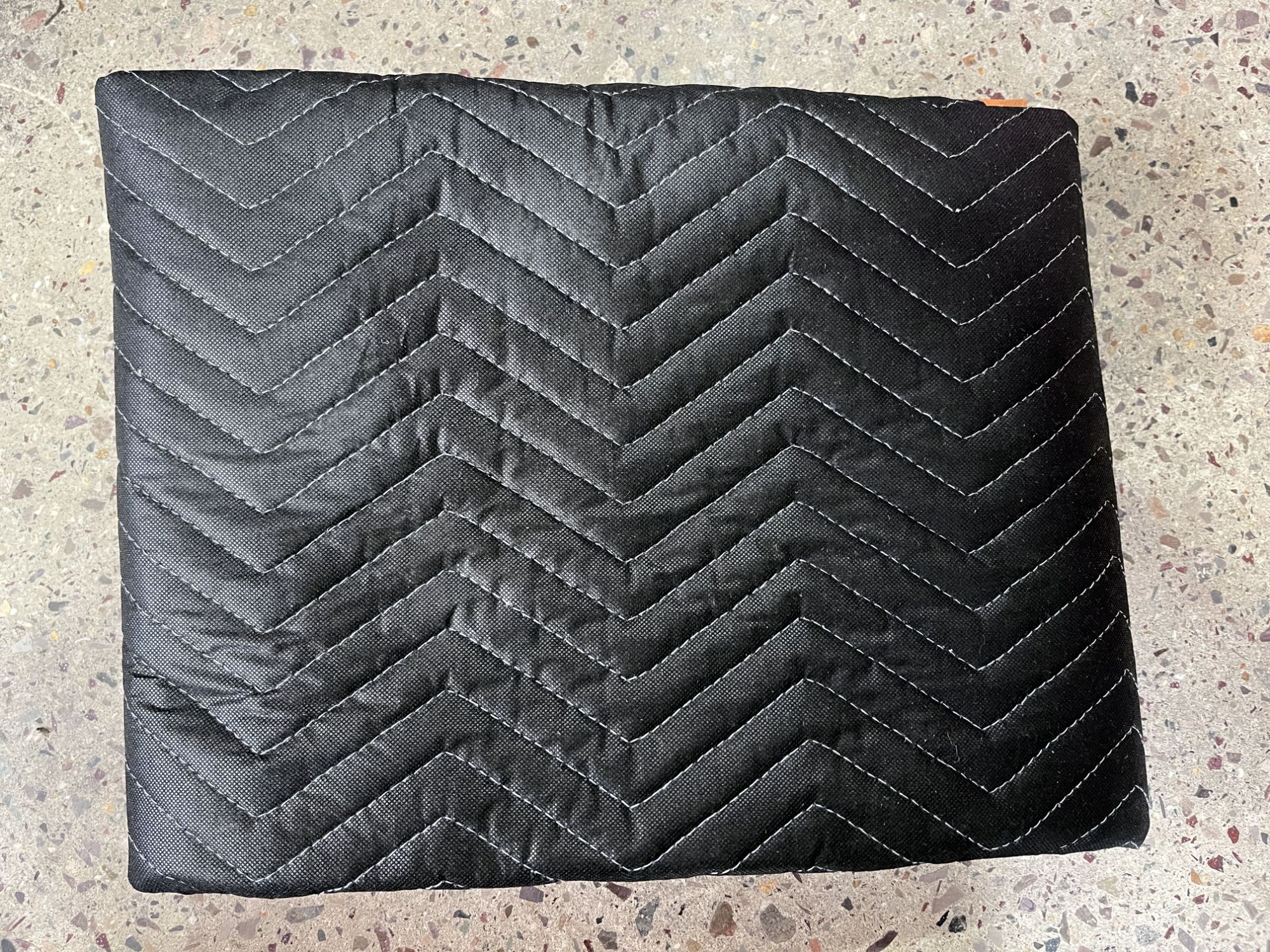
The construction doesn't rely on a single thick slab of material. Instead, several layers of non-woven fabric are pressed and bonded together, forming a dense yet slightly springy shell. This stacking approach distributes impact energy across the entire surface, so a sharp hit on one corner doesn't translate into a crack or dent. It's the kind of resilience you feel when you tap the case with a knuckle—solid, but not rigid.
Drop tests usually end with a scuffed corner or a shattered edge, but the layered design here absorbs the shock before it reaches the device inside. The outer layer takes the abrasion, the middle layer compresses to disperse the force, and the inner layer stays soft against the phone's back. That's why repeated drops from pocket height don't leave visible marks or compromise the fit over time.
You won't have to baby this case. Toss it in a bag with keys, let it slide off a desk, or fumble it on concrete—the multi-layer non-woven build keeps its shape and protection. Unlike hard plastic that flexes once and stays bent, or silicone that tears at the edges, this material returns to its original form after every impact, ready for the next one.
Stitching and Binding That Keep Edges from Fraying
Raw edges are the enemy of a clean finish, and the simplest defense is often the most overlooked: a well-chosen stitch. A zigzag run along the cut line, set to just barely hug the fabric’s edge, acts like a flexible barricade. For wovens that unravel at the slightest provocation, try a three-step zigzag or an overlock-style stitch if your machine offers one—these wrap the threads more aggressively, pinning them in place without adding bulk. The trick is tension: too tight and the fabric puckers into a ruffle, too loose and the stitch floats uselessly above the weave. Test on a scrap first, then run the edge through once, letting the needle swing off the fabric just enough to encase the raw lip in thread.
When stitching alone feels inadequate, a binding steps in like a tailored hem for the edge itself. Bias tape—whether store-bought or cut from a contrasting scrap—folds over the raw cut and locks it away. The real skill lies in the prep: press the tape into its final curve before you pin, so it hugs the edge instead of fighting it. Stitch close to the inner fold, catching both the top and underside in one pass. For fabrics too thick for standard bias tape, a Hong Kong finish does the same job with a single strip of lightweight lining, wrapping each seam allowance separately for a flat, couture-like interior. This isn’t just about durability; it’s about giving the inside of a garment the same respect as the outside.
For edges that need both strength and flexibility—think necklines, armholes, or curved hems—a stretch binding or a rolled hem foot can be the quiet hero. A rolled hem foot turns the raw edge under twice and stitches it down in one fluid motion, but it demands a light hand and a steady feed. On knits, skip the foot and use a twin needle with a strip of clear elastic laid along the seam line, which lets the edge stretch without snapping threads. The goal isn’t perfection on the first pass; it’s building a habit of testing, adjusting, and accepting that each fabric teaches its own lesson. When the edge stops shedding fibers after a dozen washes, that’s the real proof.
Reusable by Design: How One Blanket Replaces Dozens of Pads
Most people don't think of a blanket as a replacement for disposable pads, but that's exactly what this one was built to do. Instead of a single-use layer that gets tossed after a few hours, it uses a quilted core of hemp and organic cotton to pull moisture away from the skin and lock it inside. The result is a dry surface that holds as much as several standard pads, yet rinses clean in under a minute and air-dries by morning.
That shift from disposable to durable changes the math completely. One blanket with a stitched waterproof backing survives hundreds of wash cycles, which means dozens of plastic-backed pads never enter the trash. There's no subscription box to remember, no last-minute run to the store. It just hangs on the rack, ready to be used, washed, and used again.
Branding Options That Survive the Wash Cycle
If you’ve ever pulled a tee out of the dryer and found the logo cracked or peeling, you already know why wash durability matters. The trick is choosing a method that bonds or embeds the design instead of just sitting on top of the fabric. Woven labels and flat embroidery tend to outlast most surface prints, but a well-cured screen print or a properly applied heat transfer can hold its own if the ink or adhesive is matched to the fabric type.
For garments that will see frequent washing, you’ll want to look at how the branding is finished. A plastisol ink with a low cure temp will fail fast, while water-based inks that penetrate the fibers tend to fade less dramatically. If you need a softer hand feel, consider a tonal embroidery or a debossed leather patch—both skip the plasticky layer that cracks in hot water.
The real test isn’t the first wash, it’s the tenth. Ask your supplier for a wash-test report or run your own with a few samples. Pay attention to edges and fine details: those are the first spots to lift or blur. A little extra upfront on stronger backing or a better adhesive saves you from reprinting an entire order later.
What to Look for in Fabric Weight Before You Order
Fabric weight isn’t just a number on a spec sheet—it changes how a garment feels, drapes, and holds up over time. Before you order, check whether the weight is listed in GSM (grams per square meter) or ounces per square yard. A lightweight cotton voile around 70–90 GSM will float and breathe but may need a lining, while a 200+ GSM twill feels substantial enough for trousers or a structured jacket.
Think about the end use rather than chasing a specific number. For shirting, 100–130 GSM gives a crisp but comfortable hand; for hoodies or sweatshirts, 300–350 GSM fleece offers warmth without feeling stiff. If you’re unsure, request a swatch—weight tells you very little about softness or stiffness on its own, and a quick touch test can save you from ordering yards of fabric that fight your pattern.
Also pay attention to how the mill describes the weight. Some list it pre-wash, others post-finish, and shrinkage can shift the feel dramatically. A medium-weight linen at 180 GSM might arrive board-like until the first wash relaxes the fibers. When in doubt, ask for the weight after finishing, and compare it to a fabric you already love working with.
FAQ
They’re made from non-woven fabric that’s thick enough to cushion heavy furniture but still light enough to handle quickly. Because they’re reusable, you don’t have to keep buying disposable padding for every move.
Yes. You can choose colors, add stitched or printed branding, and even adjust the size or edge finishing. It’s a practical way to keep your moving equipment identifiable on job sites.
They guard against scratches, scuffs, dust, and minor impacts. The dense fiber structure also reduces the chance of straps or hand trucks leaving marks on delicate surfaces.
Most can be shaken out, spot-cleaned, or washed on a gentle cycle and air-dried. Regular cleaning keeps them free of grit that could scratch the items you’re protecting.
They’re built for repeated use, so they work well for moving companies, rental services, storage facilities, and even warehouses that need long-term surface protection.
Common sizes include 54" x 72" and 72" x 80", but custom dimensions are possible. Thickness typically ranges from lightweight general-purpose to heavy-duty padded versions.
Absolutely. People use them as furniture covers during renovation, protective pads in trucks or vans, temporary floor covers, or even as liners for crates and shipping containers.
Fold or roll them and keep them in a dry, ventilated area. Avoid direct sunlight for long periods, and make sure they’re fully dry before storing to prevent mildew.
Conclusion
When moving furniture, off-the-shelf blankets rarely fit right—corners slip, edges drag, and delicate surfaces end up scuffed. That’s why custom non-woven moving blankets make such a difference. By tailoring dimensions to the exact contours of dressers, sofas, or oddly shaped antiques, you get coverage that hugs every curve without excess bulk. The multi-layer non-woven build absorbs impact from repeated drops, while reinforced stitching and edge binding stop fraying even after dozens of moves. Beyond durability, these blankets are designed for reuse: a single custom piece can replace a pile of disposable foam pads or plastic wrap, cutting waste and long-term cost. Whether you’re a moving company or a homeowner protecting heirloom furniture, the right fabric weight matters—look for at least 250–300 grams per square meter for heavy items, lighter only for short-distance moves.
Durability alone isn’t the whole story. Custom branding on non-woven blankets gives movers and rental services a professional edge that survives repeated wash cycles, so logos stay crisp instead of fading into a blurred mess. The non-woven material itself resists tearing and moisture better than woven cotton, yet remains soft enough to avoid scratching polished wood or leather. Think of it as a long-term investment: one well-made blanket tailored to your workload eliminates the cycle of buying cheap pads that disintegrate after a single job. When ordering, ask about stitch density at the seams and whether the binding is double-folded—those small details determine whether the blanket lasts five moves or fifty. In the end, custom sizing plus rugged construction plus wash-safe branding creates a moving blanket that doesn’t just protect your cargo, but also your reputation.
Contact Us
Contact Person: Shelly
Email: [email protected]
Tel/WhatsApp: 86-577-64286522
Website: https://www.topmovingpad.com/