

Android Radio Wholesaler for Reliable Bulk Car Audio Solutions
2026-11-02
Looking to stock Android car radios in bulk without gambling on quality? As a dedicated Android radio wholesaler, lisheng delivers reliable car audio solutions that keep your customers coming back. In this post, we'll explore what separates a dependable bulk supplier from the rest—and how the right partner can transform your inventory into a profit engine.
Android Head Units That Survive Real Dashboard Heat
When a dashboard bakes at 70°C, a cheap Android head unit often reboots, dims, or loses touch sensitivity. The ones that survive are built with automotive-grade capacitors and wide-temperature LCD panels, not the same components used in a home tablet.
Look for a metal chassis that doubles as a heatsink and a fanless design that pulls heat away from the processor. Units with thermal pads on the RAM and NAND flash tend to hold up better after hours in direct sun, while plastic-framed models warp and develop screen ghosting.
Real-world proof matters more than specs. Check forums and reviews from drivers in desert or tropical climates. If a unit still boots quickly and keeps accurate touch response after a full afternoon in a parked car, it has passed the only heat test that actually counts.
Wholesale Android Radios Without the Factory Wait
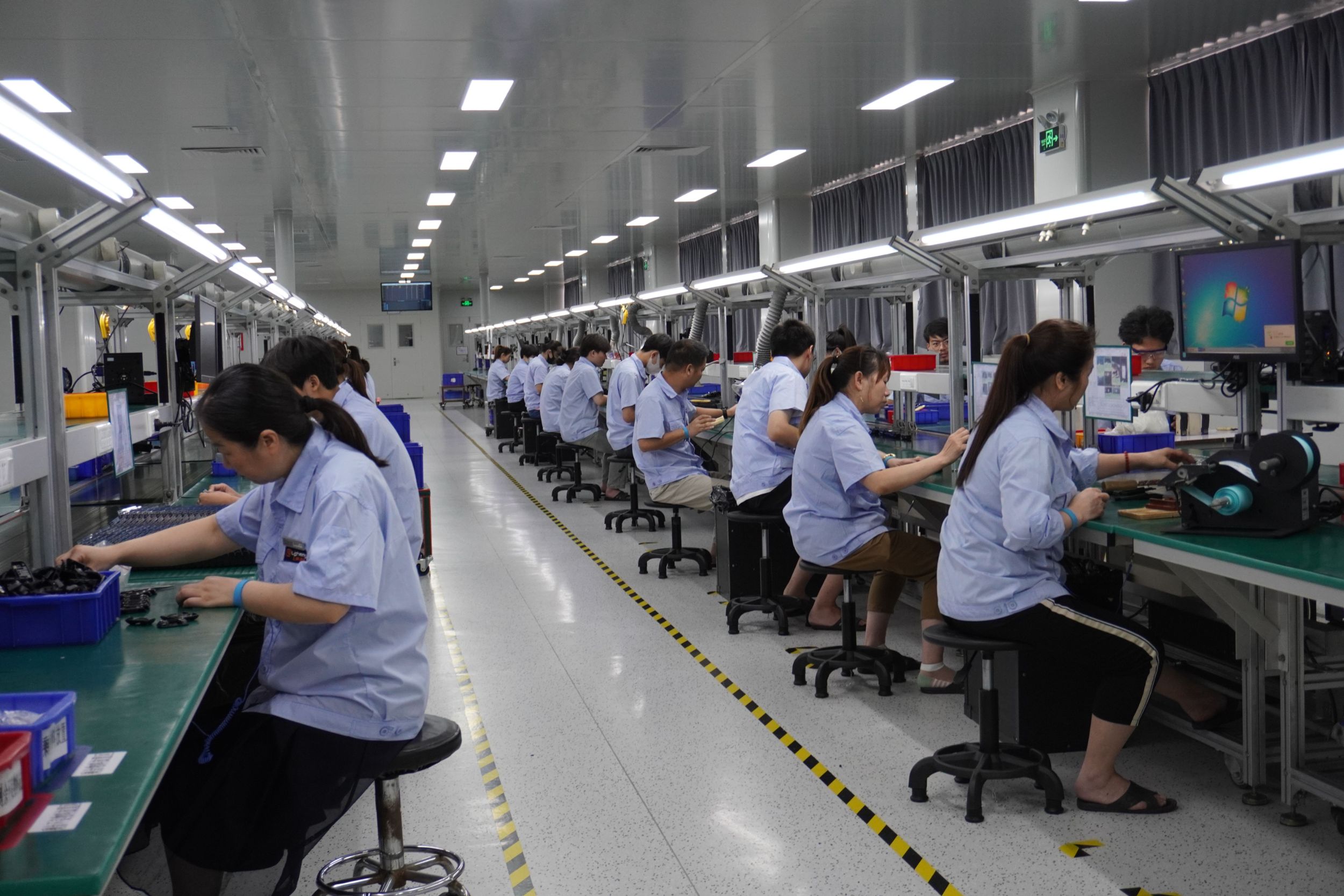
Stocking your shelves with Android radios usually means chasing production slots and hoping shipment dates hold. A smarter route is tapping into wholesale stock that's already built, tested, and sitting in a local warehouse. You get the same range of screen sizes and features—DSP tuning, wireless CarPlay, Android Auto, multi-channel outputs—without gambling on a factory backlog.
The real advantage shows up when a customer needs ten units for a fleet upgrade or a retail promo starts next week. Ready-to-ship inventory lets you place smaller, mixed orders and still have boxes on your dock within days. No minimum container loads, no six-week lead time, no last-minute call explaining a delay on a shared production line.
Quality doesn't take a back seat either. Reputable wholesale suppliers run bench tests and firmware checks before units enter their distribution centers, so you're not inheriting someone else's rushed batch. That means fewer returns, faster turnaround for your own customers, and a supply line that bends to your schedule instead of the other way around.
The Bulk Car Audio Lineup Shops Actually Reorder
When a shop reorders the same bulk car audio gear month after month, it's rarely because of brand loyalty. It's because those units move fast, fail less, and leave customers satisfied enough to skip the return line. The lineup that keeps getting restocked usually starts with entry-level coaxial speakers in the 6.5-inch size. They drop into factory locations without much cutting, handle modest head-unit power without distortion, and carry a price point that makes upgrading from blown stock speakers a no-brainer for daily drivers.
Next on the reorder sheet are powered subwoofers with built-in amplifiers. Shops stock them in bulk because they solve the most common complaint, thin bass, without eating up trunk space or requiring a separate amp rack. The slim enclosures slide under seats, wire up in under an hour, and give the average commuter enough low-end punch to feel the difference without rattling the neighbors' windows. That balance of convenience and noticeable improvement keeps them moving off the shelf faster than component sets or DSPs.
Rounding out the bulk reorders are the six-by-nine rear deck speakers and small four-channel amps. The six-by-nines serve as a quick upgrade for sedans and older pickups, while the compact four-channel amps let installers push clean power to both the fronts and rears without upgrading the electrical system. Together, these three categories form the quiet backbone of most car audio inventory, the stuff that gets reordered not because it's flashy, but because it works every single time.
What Warranty Terms Look Like for Wholesale Android Units
Wholesale Android units rarely come with the same warranty you'd get from a carrier store. Most distributors cap coverage at 6 to 12 months, and the fine print usually limits it to manufacturing defects—things like a failed charging port, dead pixels on an untouched screen, or battery capacity dropping below 80% within the first few months. Physical damage, liquid contact, and any sign of disassembly void the claim almost immediately.
What surprises many bulk buyers is how often software problems fall outside standard terms. If a unit gets stuck in a boot loop after an over-the-air update, you'd expect support, but some suppliers exclude that unless the phone was never rooted or unlocked. Return shipping is another hidden cost: the buyer frequently pays freight both ways, which eats into margins on a 200-unit order. Replacement isn't always the default either—many warranties only promise repair, and turnaround can stretch past three weeks.
Before signing a PO, ask for the actual warranty document, not the sales summary. Look for whether unused units returned within the DOA window (usually 7 to 15 days) are refunded or only credited. Also check if the distributor offers extended coverage at around 1-2% of unit cost; that can be worth it for models with known display or battery issues. Finally, avoid clauses that require the end customer to activate service with a specific carrier to keep the warranty valid—those are almost impossible to enforce in resale.
Why Regional Retailers Pick Our Android Radio Stock
Regional retailers don't stock Android radios just to fill a display wall; they need units that turn over before the next payment cycle. Our stock list gets trimmed every month against what actually sells in mid-sized towns and rural routes, not what looks good in a national flyer. That means fewer dusty boxes and more repeat customers who ask for a specific layout, steering wheel control support, or a harness that works with older GM, Ford, and Toyota pickups.
The other reason is simpler: when a unit comes back, it usually gets fixed or swapped fast. We keep spare screens, ribbon cables, and current firmware files on the shelf, and our warehouse line gets picked up by someone who knows the difference between a canbus issue and a cold solder joint. That kind of backup keeps a small shop from eating a return and losing a regular over a $90 head unit.
Because most regional buyers place smaller but more frequent orders, we don't gate the good stuff behind huge minimums or force them into a bundle of slow-moving accessories. You can order six radios, add two backup cameras, and still get the same floor price as a city chain.
From Pallet to Installation Bay Without Surprises
The crate shows up with the hardware sorted into trays that match the steps in the printed guide. No loose bags buried under foam, no mystery brackets coated in grease. Each anchor bolt is bagged by size and labeled with the bay position it belongs to, which saves a good fifteen minutes before the lift even starts.
Moving the unit from pallet to installation bay takes two people and a standard pallet jack. The base frame has reinforced corners aligned with the pallet's fork openings, so there is no tilting or makeshift support. Once it rolls into place, the floor template lines up with pre-drilled holes in the frame, and the leveling feet drop into position without extra shims.
What used to be a slow unpack-and-sort job is now a straight path from dock to final mount. The printed guide matches the actual crate contents, the labels face outward, and the protective wrapping tears away in one piece. That means fewer trips for forgotten tools and less clutter in the bay before the real work begins.
FAQ
Focus on suppliers that provide consistent hardware versions and clear communication about stock availability. You want a partner who won't suddenly change specs or leave you waiting for weeks without updates.
We run batch testing on every incoming shipment and keep a tight feedback loop with our manufacturing partners. If a unit fails in the field, we trace it back and adjust the next production run accordingly.
Yes, we offer wiring harness and fascia options for a wide range of vehicles. You can specify the connector types and dashboard fitment when placing a bulk order.
Most bulk orders ship within 7 to 14 days after payment confirmation, depending on the quantity and any custom configuration. We'll give you a firm timeline before you commit.
Each unit includes a one-year warranty covering hardware defects. For bulk buyers, we also provide direct technical support to help with installation issues or troubleshooting.
We typically start at 20 units per model, but we can work with smaller distributors on a trial basis. Larger orders unlock better per-unit pricing.
Every radio is wrapped in anti-static material and secured in foam-lined cartons. We use reinforced outer boxes and clearly label fragile items for freight handlers.
Rather than just pushing boxes, we help you understand which models are moving in your region and adjust your stock mix. It's more like having an inventory partner than a one-off supplier.
Conclusion
As an Android radio wholesaler focused on reliable bulk car audio solutions, we've learned that shop owners don't just want boxes on a pallet—they want head units that survive real dashboard heat and keep customers from calling back. Our Android head units are tested in hot-soak conditions that mimic a parked car in summer, so the touchscreen doesn't lag, delaminate, or reboot when the cabin hits 140°F. That kind of durability is what separates a one-time trial order from a reorder. We also avoid the factory wait by stocking popular double-DIN and single-DIN configurations in regional warehouses, so a shop can get replacement stock in days, not months.
The bulk car audio lineup that shops actually reorder covers basic Bluetooth/DSP units all the way up to full navigation with wireless CarPlay and Android Auto. Warranty terms are straightforward: we replace defective units within 24 months, no lengthy inspection games, and we include matched harnesses, trim rings, and pre-loaded firmware with every pallet. Regional retailers pick our stock because there are no surprises from pallet to installation bay—the units power up, pair fast, and fit the dash like factory. That reliability keeps their service bays busy and their shelves turning over, which is the whole point of buying wholesale Android radios from us.
Contact Us
Contact Person: andrea
Email: [email protected]
Tel/WhatsApp: (+86)13960400802
Website: https://www.lishengradio.com/